Picea breweriana
S. Watson
Weeping spruce, Brewer Spruce, Brewer's weeping spruce
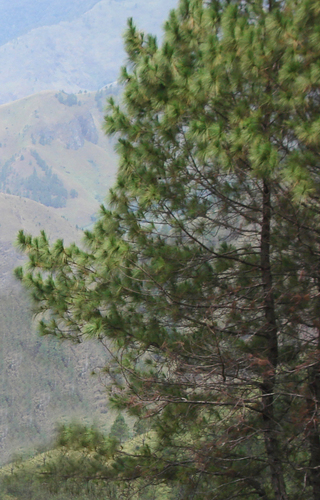
iNaturalist· cc-by-nc
(c) Alex Bairstow, some rights reserved (CC BY-NC), uploaded by Alex Bairstow
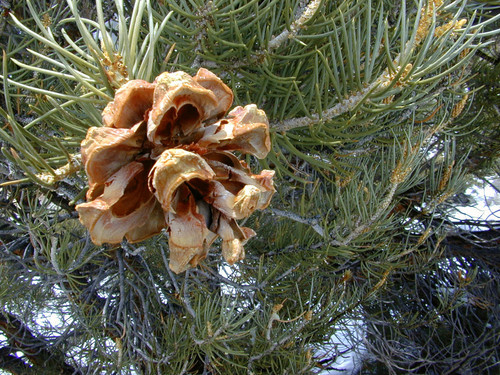
iNaturalist· cc-by-sa
(c) JOE BLOWE, some rights reserved (CC BY-SA)
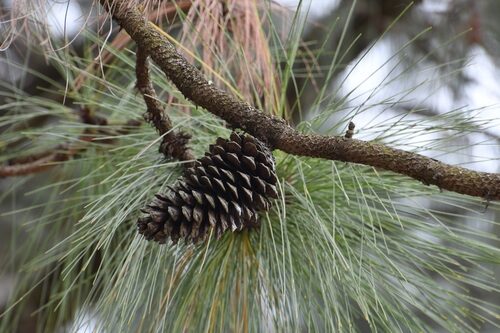
iNaturalist· cc-by-nc
(c) Todd Ramsden, some rights reserved (CC BY-NC), uploaded by Todd Ramsden
Summary
Source: WikipediaPicea breweriana, known as Brewer's spruce, Brewer spruce, Brewer's weeping spruce, or weeping spruce, is a species of spruce native to western North America, where it is one of the rarest on the continent. The specific epithet breweriana is in honor of the American botanist William Henry Brewer.
Description
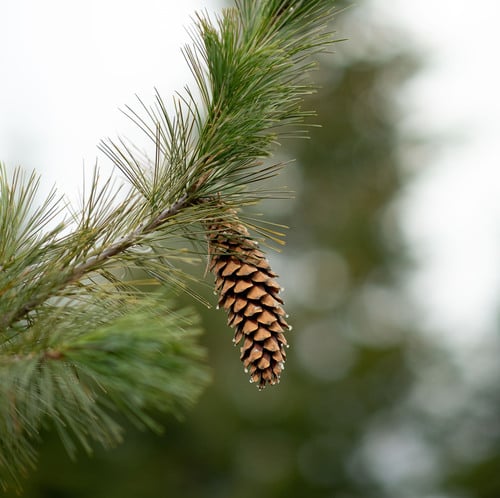
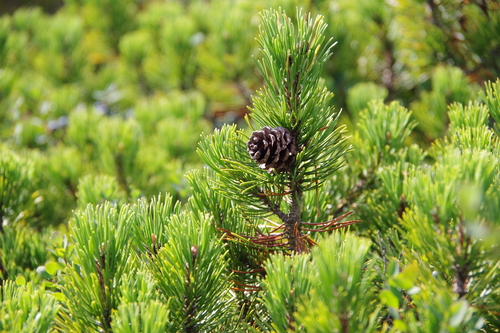
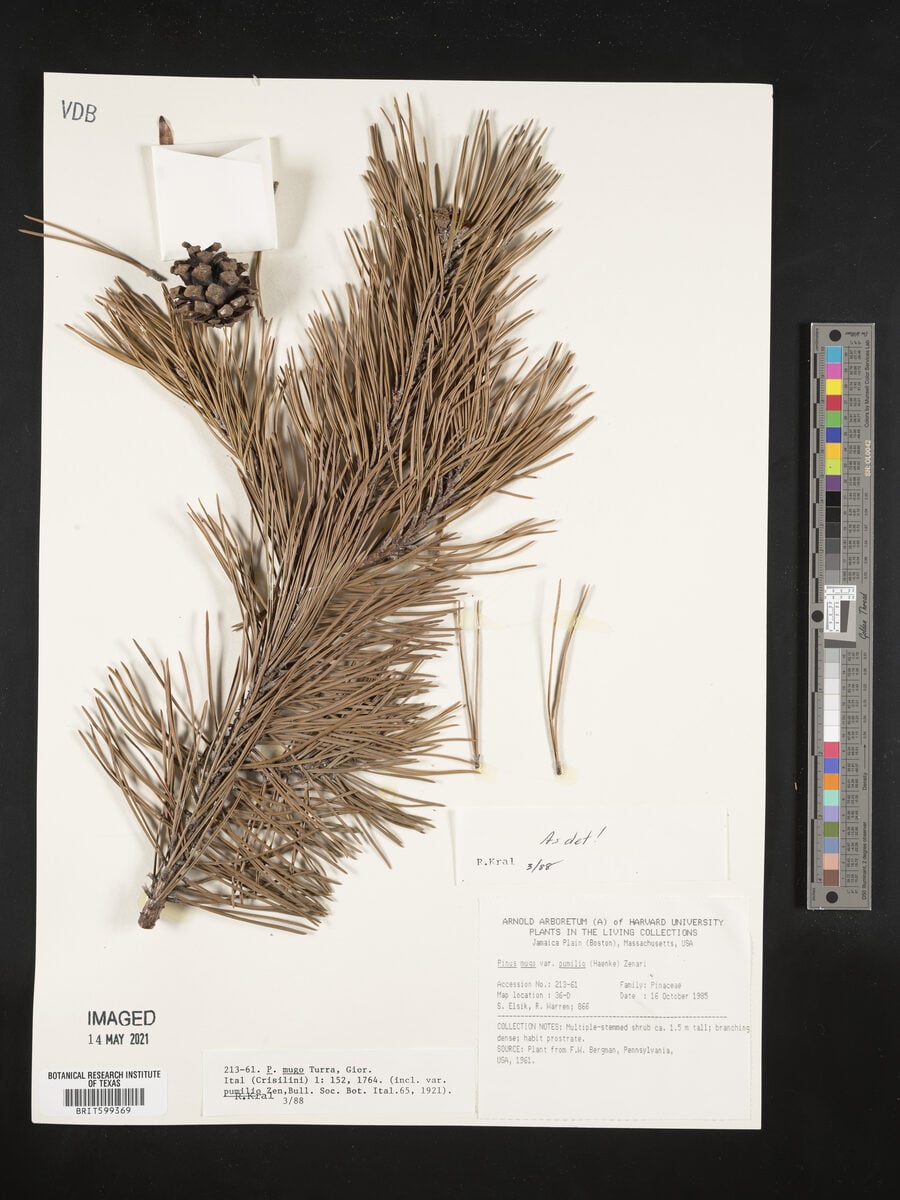
A tree. It grows 9-15 m high and spreads 3-4.5 m wide. The branches dip then turn up at the end. The shoots hang giving a weeping appearance. The leaves are stiff, fleshy needles which come out almost at right angles. The leaves are blue-green. The male flowers are orange and the female flowers are greenish. The cones are slightly curved and ripen to brown in the autumn.
Edible Uses
Young male catkins can be eaten raw or cooked and are used as a flavouring. Immature female cones are edible cooked; the cones are up to 10cm long and the central portion, when roasted, is sweet and syrupy. Inner bark can be dried, ground into a powder and used as a thickener in soups or added to cereals when making bread — an emergency food when all else fails. The seed, about 2–4mm long, is edible raw but is too small and fiddly to be worthwhile unless food is scarce. A refreshing tea rich in vitamin C can be made from the young shoot tips.
Medicinal Uses
None known
Distribution
It is a temperate plant. It is frost hardy. It does best in moist soil. It can stand shade or sun. It grows naturally in mountains in California in the United States. It grows between 1,200-2,100 m altitude. It suits hardiness zones 2-8. Arboretum Tasmania.
Where It Grows
Australia, Britain, Europe, North America*, Tasmania, USA,
Cultivation
Likes abundant moisture at the roots, if grown in drier areas it must be given a deep moist soil. Tolerates poor peaty soils. Succeeds in wet cold and shallow soils but is not very wind-firm in shallow soils. Prefers a pH between 4 to 6. Dislikes shade. Intolerant of atmospheric pollution. Resists wind exposure to some degree. In some upland areas, especially over granitic or other base-poor soils, growth rate and health have been seriously affected by aluminium poisoning induced by acid rain. Plants are strongly outbreeding, self-fertilized seed usually grows poorly. They hybridize freely with other members of this genus. Closely related to and often confused with P. smithiana. Very slow growing when young, plants are often no more than 1 metre tall when 10 years old. Growth increases somewhat with age and can average 30cm a year in older trees. Increase in the girth of trees grown in the open can be quite fast, averaging 3cm a year. Trees should be planted into their permanent positions when they are quite small, between 30 and 90cm. Larger trees will check badly and hardly put on any growth for several years. This also badly affects root development and wind resistance. The crushed shoots have a resinous aroma.
Propagation
Stratification will likely improve germination, so sow fresh seed in autumn in a cold frame if possible. Sow stored seed as early in the year as possible in a cold frame in a position of light shade; do not allow seed to dry out, and store it in a cool place. Prick out seedlings into individual pots when large enough to handle and grow on in a greenhouse or cold frame for their first winter; plant out in early summer of the following year or grow on in an outdoor nursery bed for a further year. Protection from spring frosts may be needed. Cuttings of semi-ripe terminal shoots, 5–8cm long, taken in August in a frame with frost protection, form roots in spring. Cuttings of mature terminal shoots, 5–10cm long, taken in September/October in a cold frame, take 12 months to root. Cuttings of soft to semi-ripe wood taken in early summer in a frame are slow but reliable.
Other Uses
Wood is soft, heavy and close-grained; valued for its use in paper pulp production.
Production
Trees grow slowly.
Notes
There are between 30 and 40 species of Picea.
References (8)
- Coombes, A.J., 2000, Trees. Dorling Kindersley Handbooks. p 62
- Cundall, P., (ed.), 2004, Gardening Australia: flora: the gardener's bible. ABC Books. p 1040
- Harris, E & J., 1983, Field Guide to the Trees and Shrubs of Britain. Reader's Digest. p 241
- Hibbert, M., 2002, The Aussie Plant Finder 2002, Florilegium. p 233
- Joyce, D., 1998, The Garden Plant Selector. Ryland, Peters and Small. p 171
Show all 8 references Hide references
- Plants for a Future database, The Field, Penpol, Lostwithiel, Cornwall, PL22 0NG, UK. http://www.scs.leeds.ac.uk/pfaf/
- Proc. Amer. Acad. Sci. 20:378. 1885
- Ryan, S., 2008, Dicksonia. Rare Plants Manual. Hyland House. p 68