Patrinia triloba
Miq.
iNaturalist· cc-by-nc
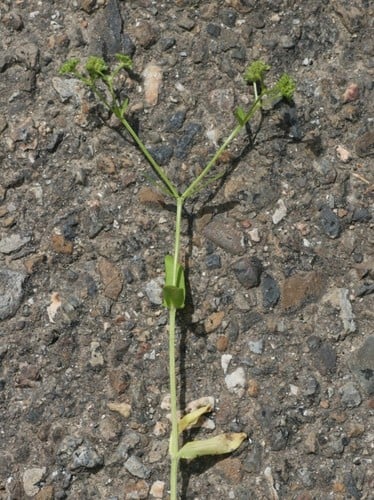
(c) 空猫 T. N, some rights reserved (CC BY-NC), uploaded by 空猫 T. N
iNaturalist· cc-by-nc
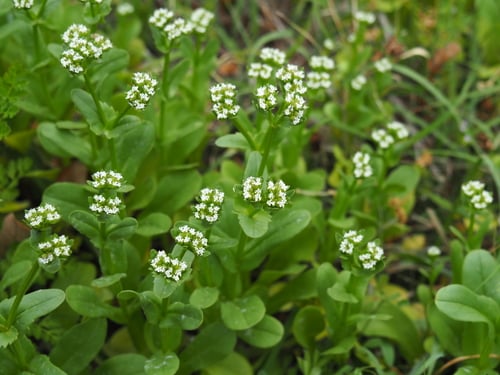
(c) Keita Watanabe, some rights reserved (CC BY-NC)
Summary
Perennial growing 0.5 m tall and 0.6 m wide, flowering in August. Grows in semi-shade to full sun on light, medium, or heavy soils across mildly acidic to mildly alkaline pH. Prefers moist conditions. Hermaphroditic flowers.
Description
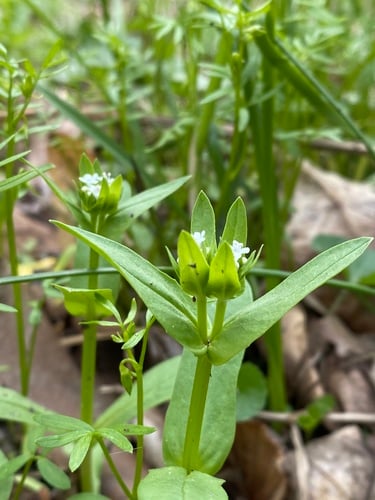
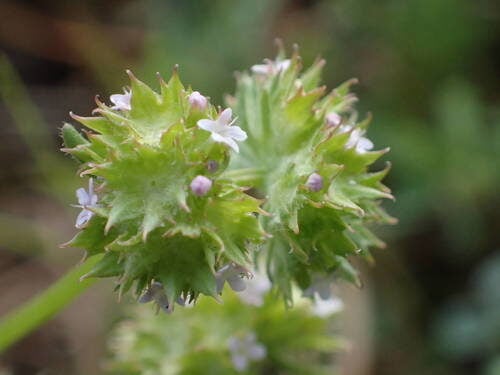
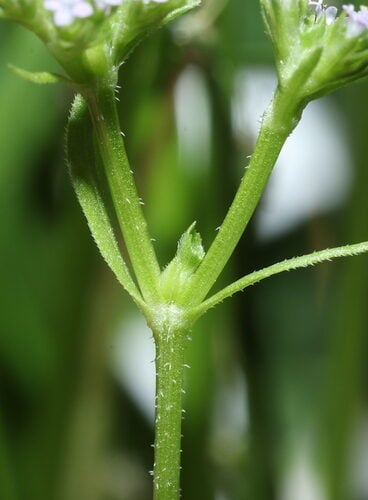
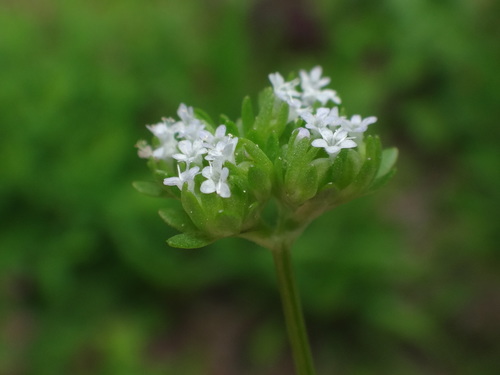
A herb. It grows 30-60 cm high and spreads 30-45 cm wide. There are hairs on the nodes and on the flower stalks. The leaves are divided like fingers on a hand and are heart shaped. The upper leaves have coarse teeth. The flowers are cup shaped and yellow. They are on branched red stems.
Edible Uses
The leaves are edible when cooked, but this plant is considered a famine food and is only used when nothing else is available.
Traditional Uses
The leaves are eaten with salt.
This uses section is brief — help expand it
Medicinal Uses
None known
Distribution
It suits hardiness zones 5-8.
Where It Grows
Asia, Australia, China, Japan,
Cultivation
Easily grown in any light rich soil. Requires a moist soil and a cool position. Thrives in any moderately retentive fertile soil in sun or part shade. Plants are hardy to about -15°c. A very ornamental plant, it grows well in the rock garden or the woodland garden.
Propagation
Sow seed in situ in April. If seed is limited, sow in a pot in a cold frame instead. Prick seedlings out into individual pots when large enough to handle and plant out in early summer. The plant can also be divided in spring or autumn.
Other Uses
Plants can be used as ground cover when spaced approximately 30cm apart each way.
Notes
Also put in the family Valerianaceae.
Synonyms
References (4)
- Cundall, P., (ed.), 2004, Gardening Australia: flora: the gardener's bible. ABC Books. p 992
- Hibbert, M., 2002, The Aussie Plant Finder 2002, Florilegium. p 220
- Plants for a Future database, The Field, Penpol, Lostwithiel, Cornwall, PL22 0NG, UK. http://www.scs.leeds.ac.uk/pfaf/
- READ, (As Patrinia palmata)