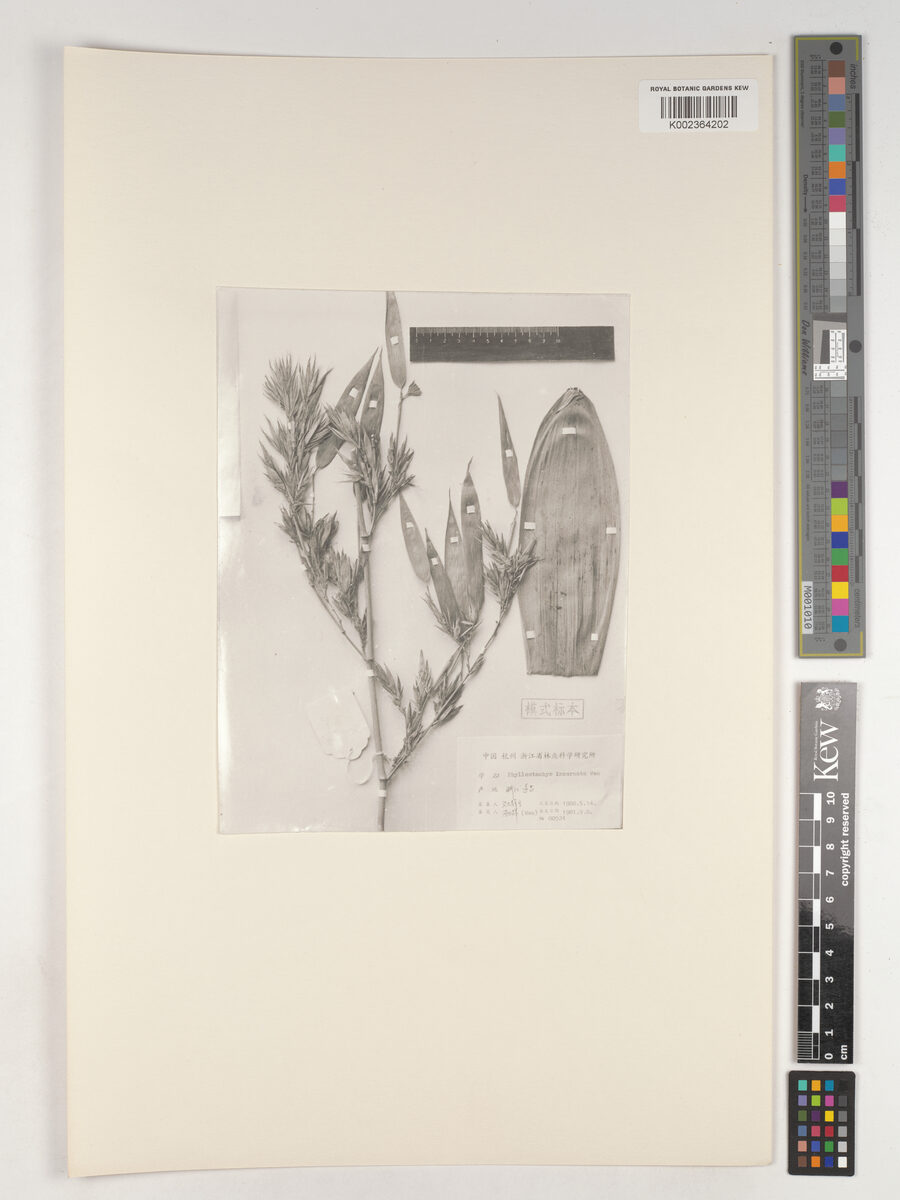
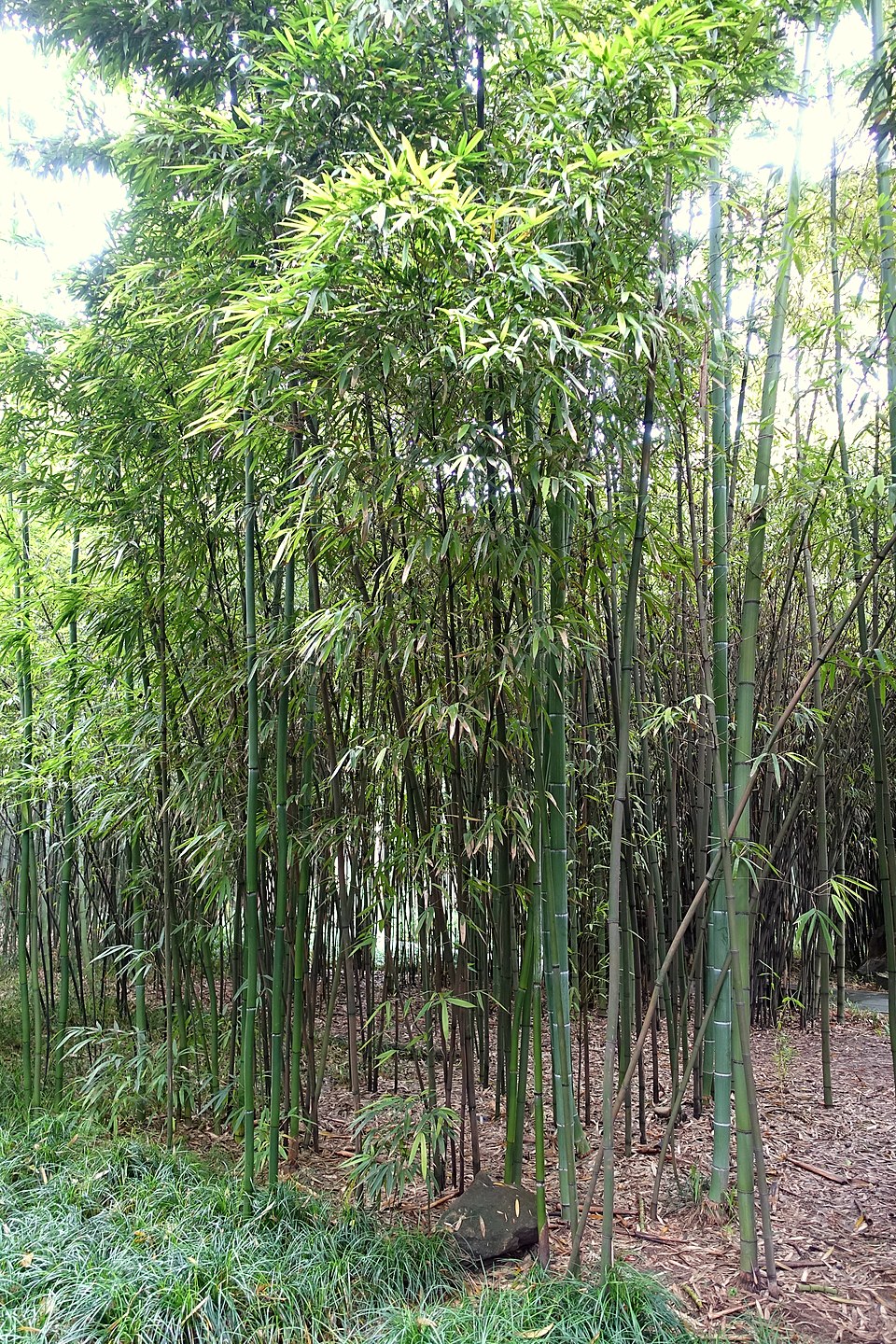
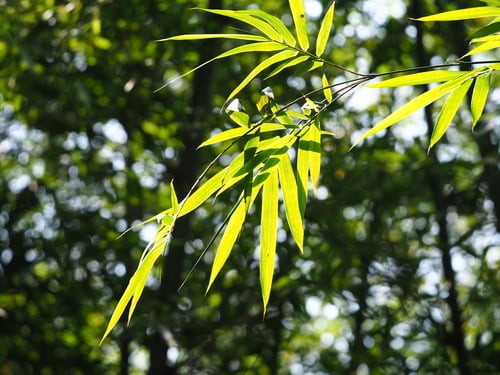
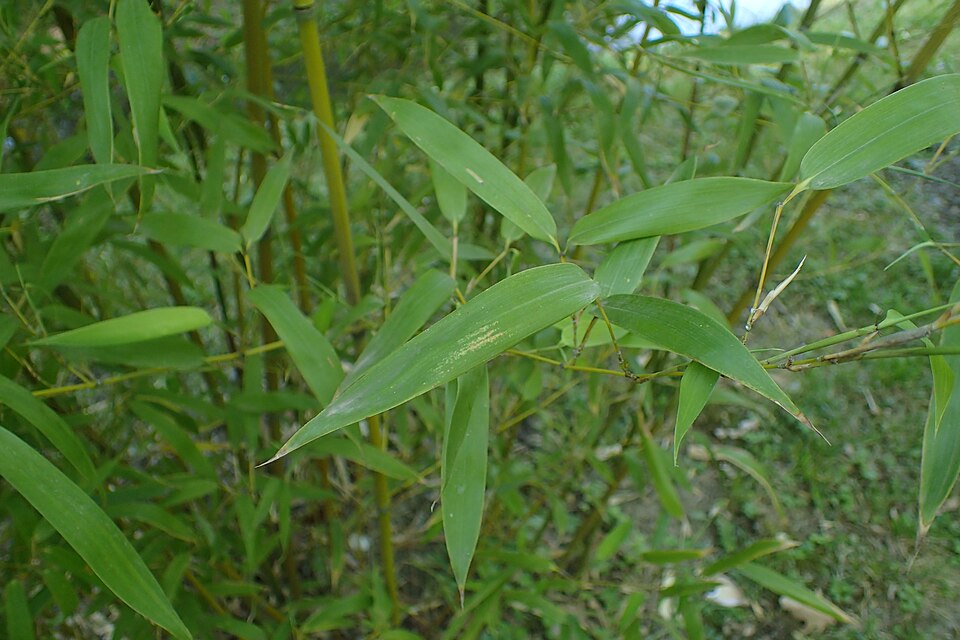
Paspalum conjugatum
P. J. Bergius
West Indian sour grass
iNaturalist· cc-by-nc-sa
(c) Kuan-Chieh (Chuck) Hung, some rights reserved (CC BY-NC-SA), uploaded by Kuan-Chieh (Chuck) Hung
iNaturalist· cc-by
(c) Kevin Faccenda, some rights reserved (CC BY), uploaded by Kevin Faccenda
iNaturalist· cc-by-nc
(c) Steve Maldonado Silvestrini, some rights reserved (CC BY-NC), uploaded by Steve Maldonado Silvestrini
Summary
Source: WikipediaPaspalum conjugatum, commonly known as carabao grass or hilo grass, is a tropical to subtropical perennial grass. It is originally from the American tropics, but has been naturalized widely in tropical Southeast Asia and Pacific Islands. It has also spread to Northern Africa and Northern Eastern Australia, and New Zealand. It is also known as sour paspalum, T-grass (after the shape of their panicle), or more confusingly, as "buffalo grass" or "sour grass".
Description
A grass which keeps growing from year to year. It grows in tufts and has underground stems or rhizomes and runners or stolons. It grows 60 cm high. The flowers are green and purple.
Edible Uses
The seeds are eaten as a cereal.
Medicinal Uses
A decoction of the leaves, or the crushed spikelets, is used in the treatment of wounds and sores. The leaves are also used in the treatment of fever, debility, stomach troubles and pulmonary afflictions. Young leaves are pounded and then applied as paste onto wounds and cuts. An infusion of the plant is used as a remedy for headaches. The efficacy of this treatment may be due to an ergot-like fungus infestation. Used as an antivenom, a decoction of the whole plant, combined with the oil of Lebrunia bushaie, is rubbed on the bite. The roots are used in the treatment of diarrhea and dysentery The presence of a haemostatic glucoside, which reduced the time for blood clotting by 50%, has been reported for this species.
Known Hazards
Wet fruits may become very irritating as they easily stick to one's legs and clothing. It is stated that only the young stage of the grass is suitable for grazing since the fruits tend to stick in the throats of livestock and choke them.
Distribution
A tropical plant. It grows in several tropical places. It grows in wet habitats. In Argentina it grows from sea level to 1,000 m above sea level. In Yunnan.
Where It Grows
Africa, Andaman Is., Angola, Argentina, Asia, Australia, Bahamas, Bangladesh, Belize, Benin, Brazil, Burkina Faso, Burundi, Cambodia, Cameroon, Central Africa, Central African Republic, CAR, Central America, China, Colombia, Comoros, Congo DR, Congo R, Cook Is., Costa Rica, Cuba*, Dominican Republic, East Timor, Ecuador, El Salvador, Equatorial Guinea, Ethiopia, Fiji, FSM, French Guiana, Gabon, Ghana, Guatemala, Guianas, Guinea, Guinée, Guyana, Haiti*, Hawaii, Himalayas, Honduras, India, Indochina, Indonesia, Ivory Coast, Jamaica*, Kosrae, Laos, Lesser Antilles*, Liberia, Madagascar, Malawi, Malaysia, Marquesas, Mauritius, Mexico, Micronesia, Myanmar, Nepal, New Caledonia, New Zealand, Nicaragua, Nigeria, Niue, North America, Northeastern India, Pacific, Panama, Papua New Guinea, PNG, Paraguay, Peru, Philippines, Polynesia, Puerto Rico, Reunion, Rotuma, Rwanda, Samoa, SE Asia, Seychelles, Sierra Leone, Solomon Islands, South America, Sri Lanka, St. Kitts and Nevis, Suriname, Taiwan, Tanzania, Thailand, Timor-Leste, Togo, Tonga, Trinidad-Tobago, Uganda, USA, Vanuatu, Venezuela, Vietnam, West Africa, West Indies*,
Cultivation
Paspalum conjugatum has a wide range of climatic tolerance, growing wild in the tropics and subtropics and spreading widely as a weed outside its range. It is best adapted to humid climates. Succeeds in a wide range of habitats, growing well in full sun to moderate shade, in a wide range of soils including acidic, low-nutrient soils, and in wet as well as drier soils. Often grown in pastures and as a lawn, the plant escapes from cultivation and has become widely naturalized outside its native range. The small seeds are probably distributed by humans and animals on clothing and fur, whilst small parts of the stolons can root to form new plants. It is regarded as an important weed in rice and plantation crops, and is a common and aggressive weed in pasture land in Australia. It grows vigorously under partial shade and may compete seriously with tree crops - it has been stated that some native forests have become extinct due to this pest. Flowering commences 4 - 5 weeks after seedling emergence, and the plant continues to flower all year round. New shoots develop at every rooted node.
Propagation
Seed - the germination percentage is usually low. Cuttings of prostate culms, using 2 - 3 nodes per cutting.
Other Uses
The plant spreads by means of stolons, is tolerant of some trampling and also responds well to fairly low cutting; it is occasionally used as a lawn grass.
Notes
There are about 330 Paspalum species.
Synonyms
Also Known As
Buffalo Grass, Jampang pahit, Jampong changgah, Jandon, Jukut pahit, Paitan, Pyaung-sa. Rumput ala negri, Rumput kerbau, Rumput pahit
References (19)
- Acta Helv. Phys.-Math. 7:129, t. 8. 1762
- Ambasta, S.P. (Ed.), 2000, The Useful Plants of India. CSIR India. p 432
- Borrell, O.W., 1989, An Annotated Checklist of the Flora of Kairiru Island, New Guinea. Marcellin College, Victoria Australia. p 24
- Burkill, I.H., 1966, A Dictionary of the Economic Products of the Malay Peninsula. Ministry of Agriculture and Cooperatives, Kuala Lumpur, Malaysia. Vol 2 (I-Z) p 1702
- Franklin, J., Keppel, G., & Whistler, W., 2008, The vegetation and flora of Lakeba, Nayau and Aiwa Islands, Central Lau Group, Fiji. Micronesica 40(1/2): 169–225, 2008
Show all 19 references Hide references
- Henty, E.E., & Pritchard, G.S., 1973, Weeds of New Guinea and their control. Botany Bulletin No 7, Division of Botany, Lae, PNG. p 46
- Hussey, B.M.J., Keighery, G.J., Cousens, R.D., Dodd, J., Lloyd, S.G., 1997, Western Weeds. A guide to the weeds of Western Australia. Plant Protection Society of Western Australia. p 60
- Jardin, C., 1970, List of Foods Used In Africa, FAO Nutrition Information Document Series No 2.p 5
- Kew Plants of the World Online
- Lazarides, M. & Hince, B., 1993, Handbook of Economic Plants of Australia, CSIRO. p 183
- Paczkowska, G. & Chapman, A.R., 2000, The Western Australian Flora. A Descriptive Catalogue. Western Australian Herbarium. p 112
- Plants of Haiti Smithsonian Institute http://botany.si.edu/antilles/West Indies
- Purseglove, J.W., 1972, Tropical Crops. Monocotyledons. Longmans p 201
- Staples, G.W. and Herbst, D.R., 2005, A tropical Garden Flora. Bishop Museum Press, Honolulu, Hawaii. p 747
- Trimanto, & Hapsari L., 2016, Botanical survey in thirteen montane forests of Bawean Island Nature Reserve, East Java Indonesia: Conservation status, bioprospecting and potential tourism. Biodiversitas 17: 832-846.
- Westerway, J., et al, 2018, Preliminary checklist of the naturalised and pest plants of Timor-Leste. Blumea 63:157-163
- Wheeler, J.R.(ed.), 1992, Flora of the Kimberley Region. CALM, Western Australian Herbarium, p 1203
- World Checklist of Useful Plant Species 2020. Royal Botanic Gardens, Kew
- Yuncker, T.G., 1959, Plants of Tonga, Bernice P. Bishop Museum, Hawaii, Bulletin 220. p 58