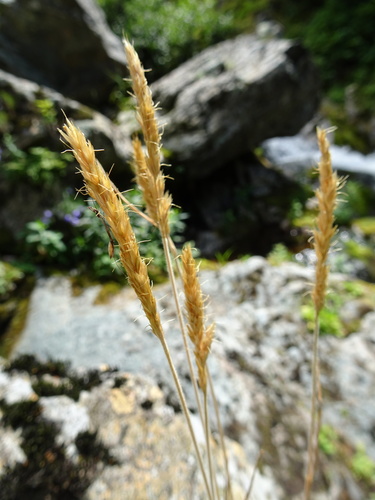
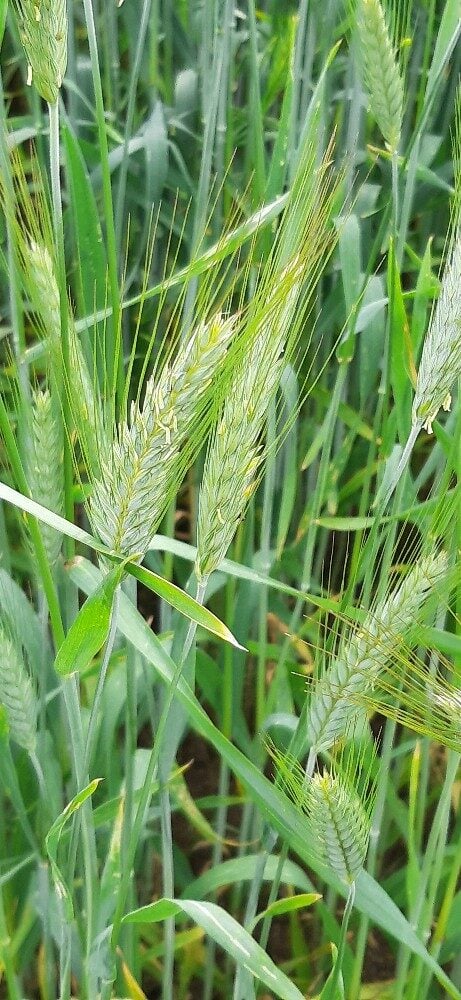
Paspalidium geminatum
(Forssk.) Stapf
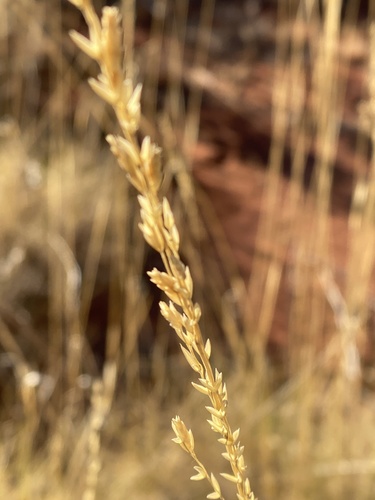
iNaturalist· cc-by-nc
(c) James K. Wetterer, some rights reserved (CC BY-NC)
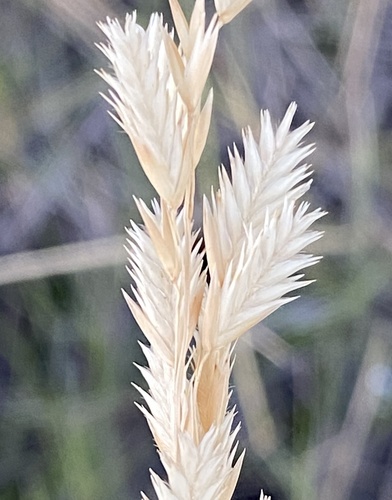
iNaturalist· cc-by-nc
(c) James K. Wetterer, some rights reserved (CC BY-NC)
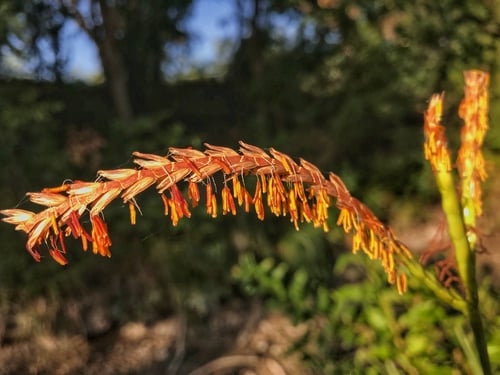
iNaturalist· cc-by-nc
(c) James K. Wetterer, some rights reserved (CC BY-NC)
Description
A grass. It keeps growing from year to year. It has runners or underground stems or rhizomes. These are spongy. They can float. It develops roots at the base. It can grow 1 m high.
Edible Uses
The seeds and grain are eaten as cereal.
Distribution
It is a tropical plant. It grows on wet sand-banks and can be in marshes. It can tolerate brackish water. It grows over tropical Africa.
Where It Grows
Africa, Asia, Brazil, Burkina Faso, Central America, Congo DR, Costa Rica, Côte d'Ivoire, East Africa, Egypt, Ethiopia, Ghana, Guiana, Guianas, Guyana, Ivory Coast, Kenya, Liberia, Madagascar, Mali, Malawi, Mozambique, Myanmar, Nicaragua, Nigeria, North Africa, Pakistan, SE Asia, Senegal, Sierra Leone, South America, St Helena, St. Kitts and Nevis, Sudan, Suriname, Tanzania, Uganda, Venezuela, West Africa,
Synonyms
Also Known As
Angarago, Arroz, Capere, Gamalote de Bajura, Marbere
References (2)
- Burkill, H. M., 1985, The useful plants of west tropical Africa, Vol. 2. Kew.
- World Checklist of Useful Plant Species 2020. Royal Botanic Gardens, Kew (As Setaria geminata)