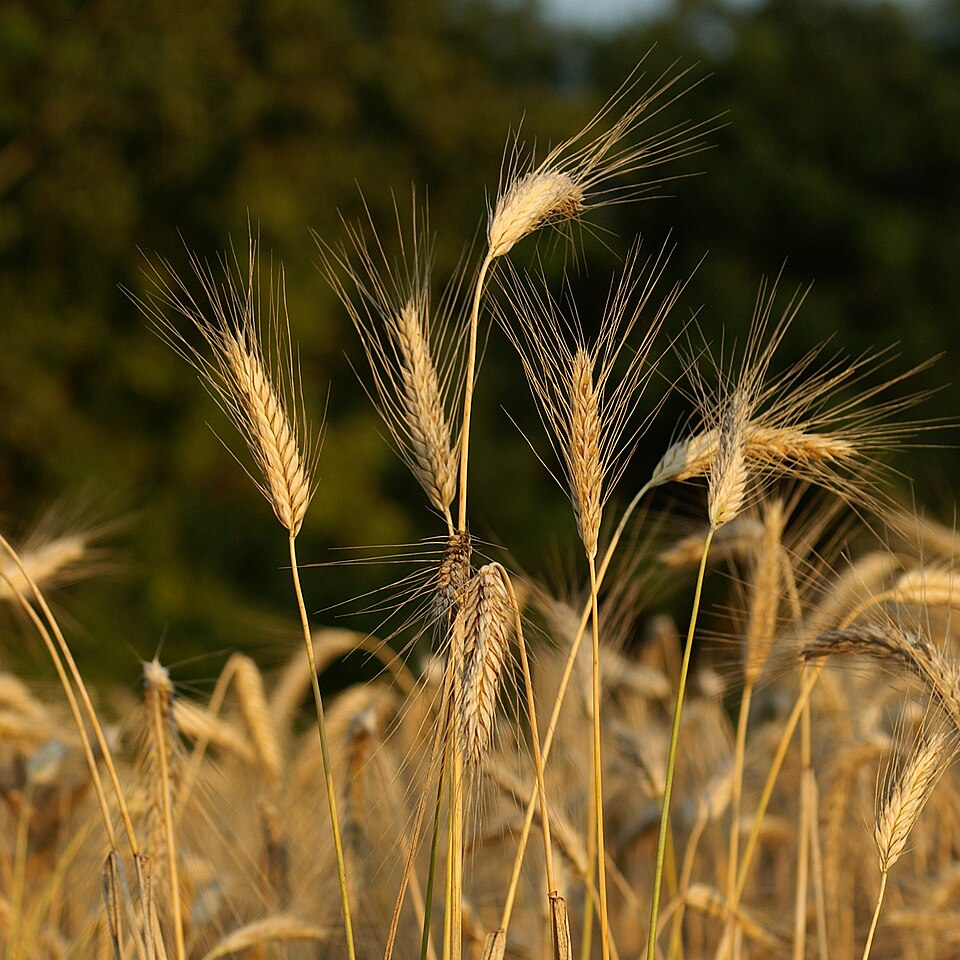
Panicum laetum
Kunth
Desert panic
gbif· cc-by
Meise Botanic Garden
gbif· cc-by
Meise Botanic Garden
Description
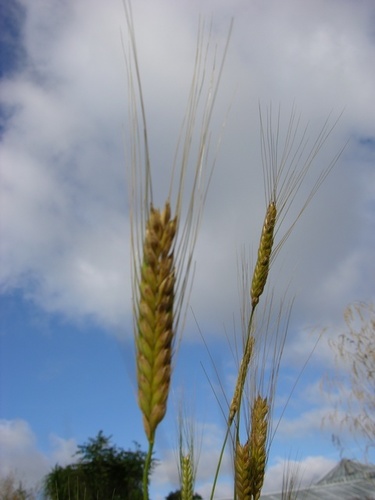
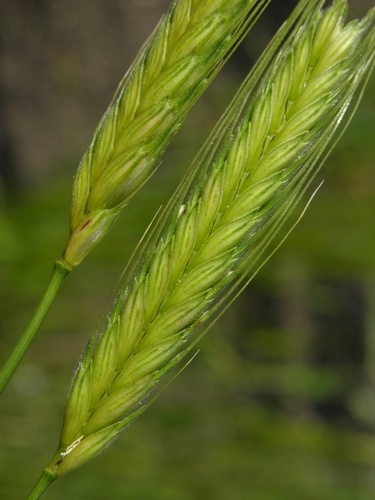
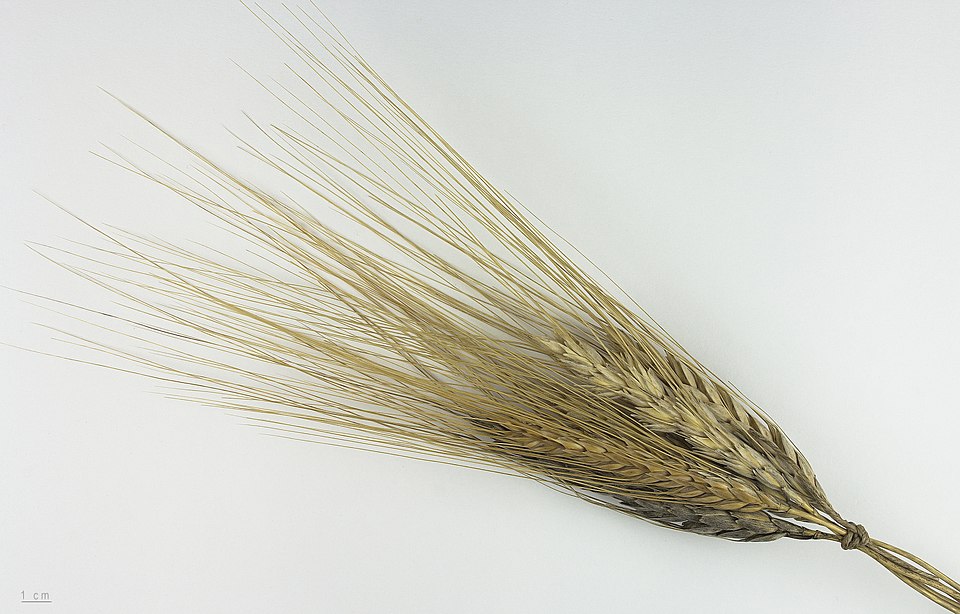
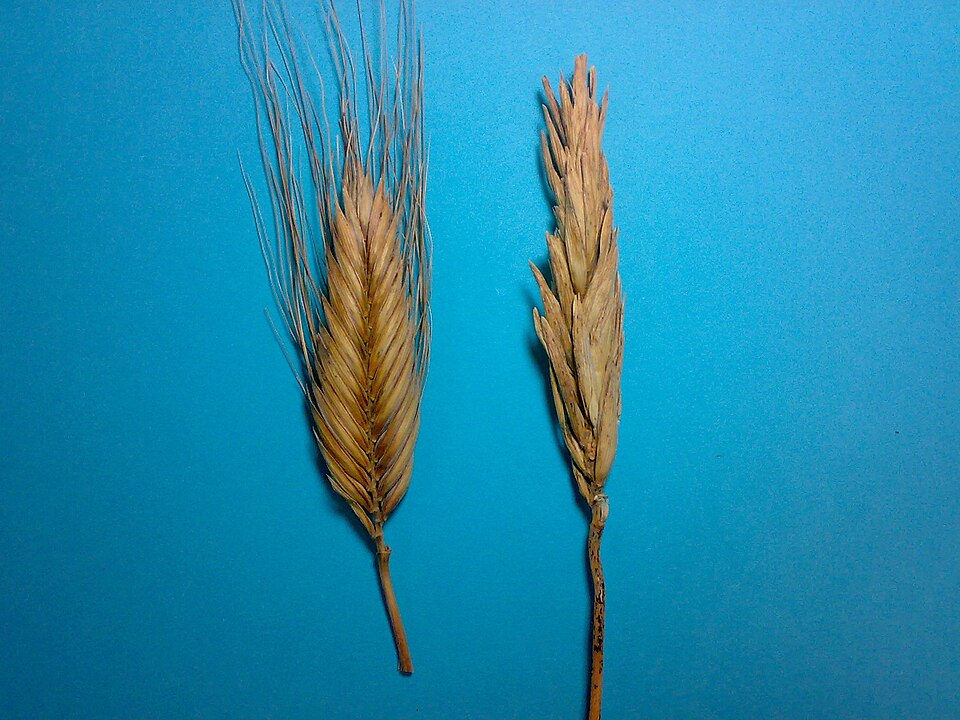
A herb. It is an annual grass. It forms tufts. It grows 70 cm high. The leaf blades are 4- 24 cm long and 1 cm wide. They taper to a point.
This description is brief — help expand it
Edible Uses
The seeds are ground to make porridge and are used in kreb, a grain mixture traditionally eaten in Chad. It is a dietary staple among nomads in the Sahel region of Mali.
Traditional Uses
The seeds are ground and used to make porridge. It is used in kreb a grain mixture eaten in Chad.
This uses section is brief — help expand it
Medicinal Uses
None mentioned.
Distribution
A tropical plant. It grows on sandy soil. It grows in semi-arid regions. It grows in the African Savannah. It is often in black soils on seasonally flooded areas. It grows in areas with an annual rainfall above 100 mm. It grows between 1,000-1,300 m above sea level. It can grow in arid places.
Where It Grows
Africa, Burkina Faso, Cameroon, Central Africa, Chad, Côte d'Ivoire, East Africa, Ethiopia, Ghana, Ivory Coast, Mali, Mauritania, Niger, Nigeria, Sahel, Senegal, Sudan, Tanzania, West Africa,
Cultivation
Plants are grown from seeds. Seeds germinate better if treated.
Propagation
Seed - sow in situ, only just covering the seed. The optimum temperature for seed germination is 35°c. Scarification or removal of the lemma and palea from the grain greatly improves germination rates..
Other Uses
The plant is considered to have potential for the restoration of degraded pastures.
Production
Because the seed tends to fall easily, it is harvested early in the morning while dew holds the seed in the flowering head. It is often collected by shaking the grains into a basket. The grass can be cut and threshed and winnowed.
Other Information
It is a dietary staple among nomads in the Sahel in Mali.
Notes
There are about 500 Panicum species.
Nutrition
| Part | Moisture | kJ | kcal | Protein | Vit A | Vit C | Iron | Zinc |
|---|---|---|---|---|---|---|---|---|
| Seeds | — | — | 11.1 | — | — | — | — | — |
Also Known As
Baya, Guirji, Hallun, Paggiri, Timam
References (14)
- Abbiw, D.K., 1990, Useful Plants of Ghana. West African uses of wild and cultivated plants. Intermediate Technology Publications and the Royal Botanic Gardens, Kew. p 26
- Burkill, H. M., 1985, The useful plants of west tropical Africa, Vol. 2. Kew.
- Busson, 1965,
- CRÉAC'H,
- Gallagher, D. E., 2010, Farming beyond the escarpment: Society, Environment, and Mobility in Precolonial Southeastern Burkina Faso. PhD University of Michigan.
Show all 14 references Hide references
- Grivetti, L. E., 1980, Agricultural development: present and potential role of edible wild plants. Part 2: Sub-Saharan Africa, Report to the Department of State Agency for International Development. p 28
- INFOODSUpdatedFGU-list.xls
- Jardin, C., 1970, List of Foods Used In Africa, FAO Nutrition Information Document Series No 2.p 5
- MORTIMORE,
- National Research Council, 1996, Lost crops of Africa. Volume 1 grains, p 258
- Pedersen J. and Benjaminsen, T. A., 2008, One Leg or Two? Food Security and Pastoralism in the Northern Sahel. Human Ecology 36:43-57
- Peters, C. R., O'Brien, E. M., and Drummond, R.B., 1992, Edible Wild plants of Sub-saharan Africa. Kew. p 25
- Royal Botanic Gardens, Kew (1999). Survey of Economic Plants for Arid and Semi-Arid Lands (SEPASAL) database. Published on the Internet; http://www.rbgkew.org.uk/ceb/sepasal/internet [Accessed 3rd June 2011]
- World Checklist of Useful Plant Species 2020. Royal Botanic Gardens, Kew