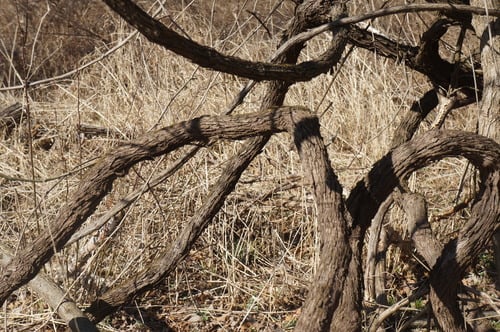
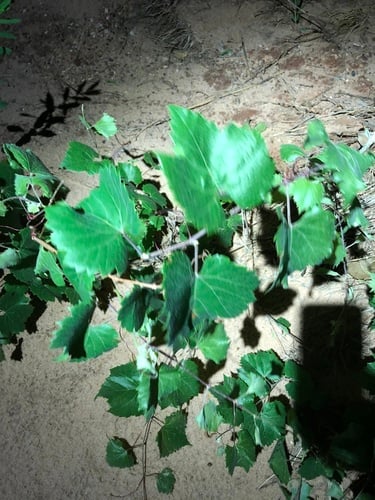
Vitis caribaea
DC.
Caribean grape
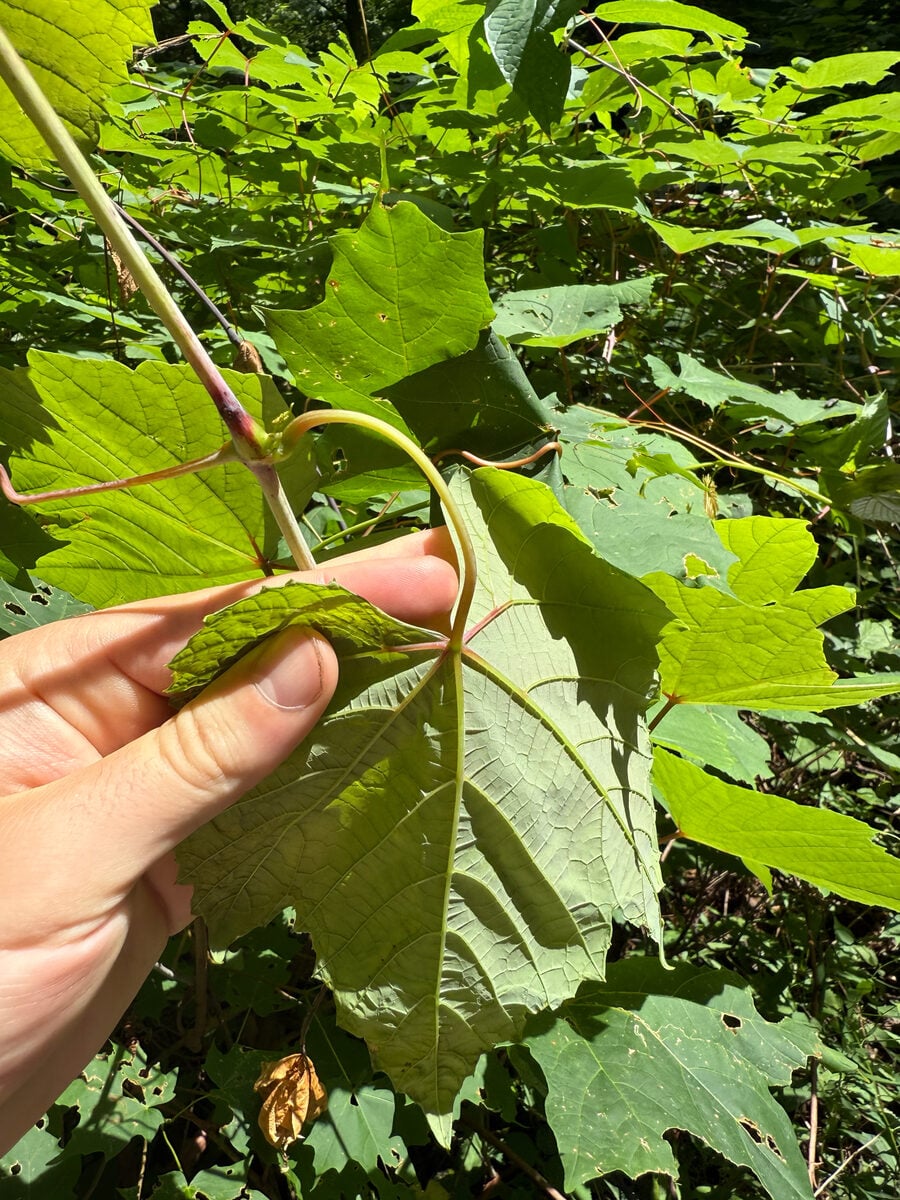
iNaturalist· cc-by-nc
(c) Omar Monzon Carmona, some rights reserved (CC BY-NC)
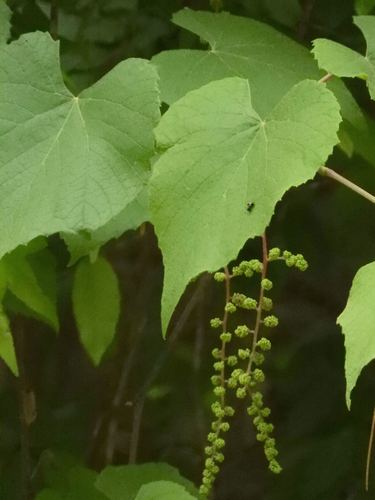
iNaturalist· cc-by-nc
(c) Omar Monzon Carmona, some rights reserved (CC BY-NC)
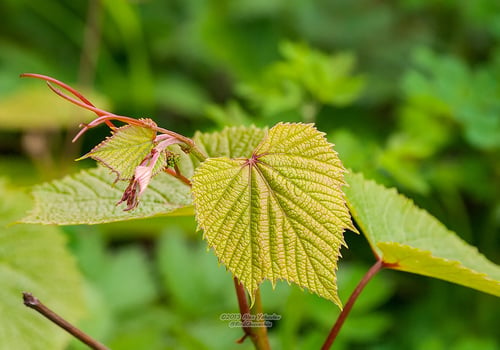
iNaturalist· cc-by-nc
(c) Ignacio Torres-García, some rights reserved (CC BY-NC)
Description
A tropical vine in the Vitaceae family native to the Caribbean region, bearing edible fruit.
This description is brief — help expand it
Edible Uses
Vitis tiliifolia is grown as a forest crop in Mayan agriculture, and is used for food or drink, or as an ingredient in medicines. The vine is most commonly dioecious, with separate male and female vines, though wild hermafrodite vines have been found. Flowering is usually at the beginning of the dry season (December in the northern hemisphere) and fruit production can be up to 20 kg per vine in cultivation. The fruits are small and acid with low sugar near 8 Brix but are sometimes made into wine resembling that of the Norton grape of the east and central USA. In cultivation the vines are vigorous similar to the Muscadine grape and should be given ample trellis room of near 6 meters or 20 feet. V. tiliifolia can and should be pruned and can be propagated from cuttings just like other grapes.
Distribution
It is a tropical plant.
Where It Grows
Britain, Central America, Cuba, Europe, Jamaica, Mexico, North America, USA, West Indies,
Dangerous Lookalikes
This plant can be confused with the following toxic species. Always verify identification carefully before consuming any wild plant.
Canadian Moonseed
Menispermum canadense
Cbaile19
Caribean grape
Vitis caribaea
(c) Omar Monzon Carmona, some rights reserved (CC BY-NC)
Canadian Moonseed: No tendrils, single crescent/moon-shaped seed, leaf stem attaches to underside of leaf.
Caribean grape: Vine with tendrils, round seeds, leaf stem at edge of leaf, bark that peels.
References (4)
- Hedrick, U.P., 1919, (Ed.), Sturtevant's edible plants of the world. p 682
- Kermath, B. M., et al, 2014, Food Plants in the Americas: A survey of the domesticated, cultivated and wild plants used for Human food in North, Central and South America and the Caribbean. On line draft. p 921
- Miguel, E., et al, 1989, A checklist of the cultivated plants of Cuba. Kulturpflanze 37. 1989, 211-357
- Prodr. 1:634. 1824