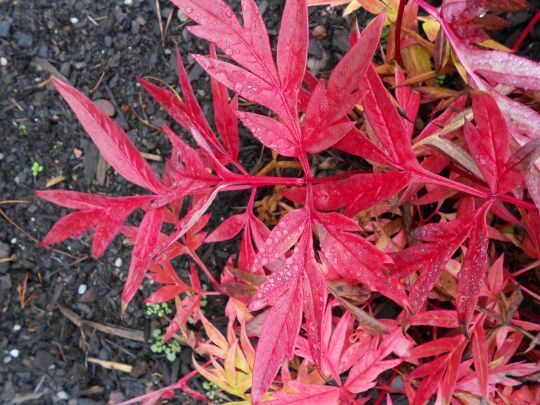
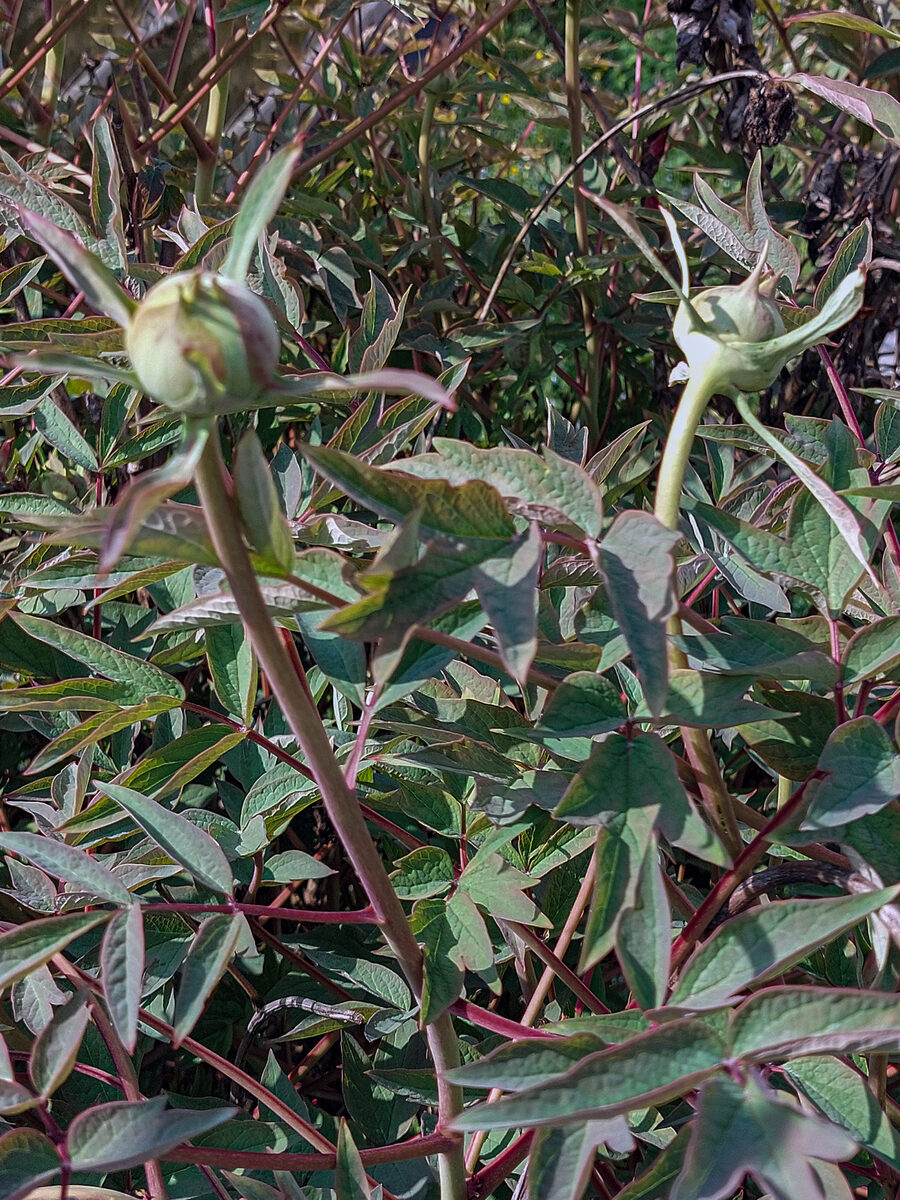
Paeonia brownii
Douglas
Brown's peony, California Peony, Peony, Western, Western Peony
iNaturalist· cc-by-nc
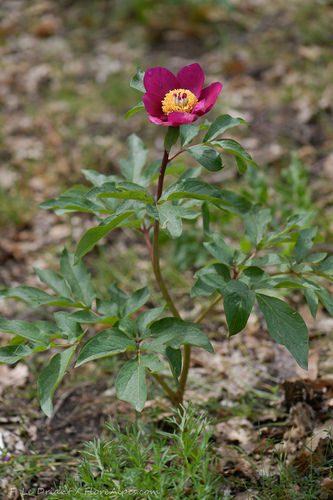
(c) Kathryn, some rights reserved (CC BY-NC), uploaded by Kathryn
iNaturalist· cc-by-nc
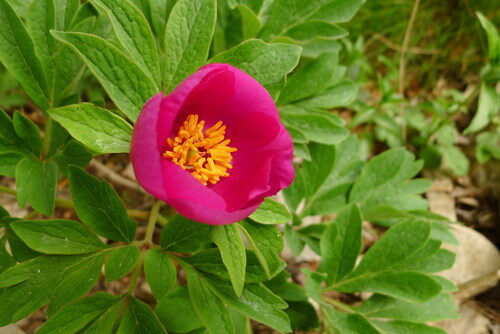
(c) Sarah Wang, some rights reserved (CC BY-NC), uploaded by Sarah Wang
iNaturalist· cc-by-nc
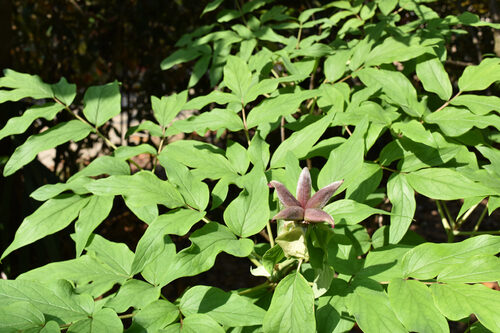
(c) Ted Alway, some rights reserved (CC BY-NC), uploaded by Ted Alway
Summary
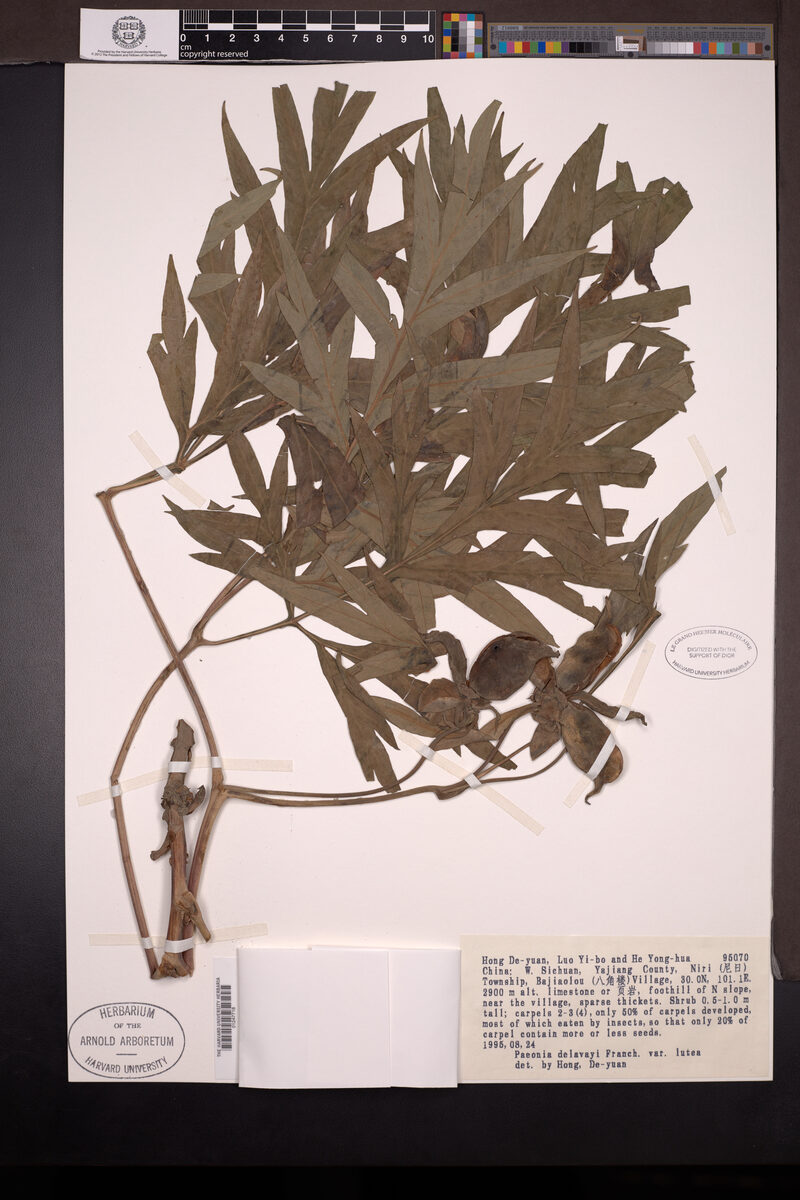
Source: WikipediaPaeonia brownii is a low to medium height, herbaceous perennial flowering plant in the family Paeoniaceae. It has compound, steely-gray, somewhat fleshy leaves and small drooping maroon flowers. Its vernacular name is Brown's peony, native peony or western peony. It is native to the western United States and usually grows at altitude, often as undergrowth in part-shade. The fleshy roots store food to carry the plant through the dry summers and produce new leaves and flowers the following spring.
Description
A perennial plant. It forms clumps. It grows up to 45 cm tall. It spreads 50 cm wide. The leaves are dark green and deeply dissected. They are fleshy. The flowers are small and red and green. They occur singly and tend to hang over. They are almost round and 3 cm across.
Edible Uses
The root is edible and has a liquorice flavour.
Traditional Uses
The root has a liquorice flavour.
This uses section is brief — help expand it
Medicinal Uses
The root is cardiac, febrifuge, laxative, and pectoral. Various native North American Indian tribes have used a decoction of the root to treat pneumonia, tuberculosis, venereal disease, nausea, indigestion, coughs, diarrhoea, and kidney troubles. A decoction of sun-dried roots has been used to help people gain weight. A decoction of the root has also been applied as a liniment on swellings, and an infusion used as a wash for sore eyes. The dried, ground root can be powdered and applied as a dressing on cuts, wounds, burns, and sores. A poultice of crushed roots has been used to treat boils, deep cuts, and wounds. A cold infusion of the seeds serves as a cough medicine. A tea made from the dried crushed petals of various peony species has been used as a cough remedy and as a treatment for haemorrhoids and varicose veins.
Known Hazards
Native Americans made the roots into a tea to treat lung illnesses. The roots of P. brownii can be eaten for its nutrient content. Indigenous tribe members would also use them as a medicine to cure cough, kidney problems, sexually transmitted infections, pneumonia, nausea, indigestion and tuberculosis.
Distribution
It occurs naturally in sagebrush desert and ponderosa pine forest at altitudes of 900-1800 metres. It does best in neutral or alkaline soils. It can grow in sunny places or in light shade. They cannot tolerate waterlogging or extreme dry soils. It can tolerate cold and frost. It can grow in arid places. It suits hardiness zones 7-9.
Where It Grows
Australia, North America, USA,
Cultivation
Requires a deep rich soil, preferably neutral or slightly alkaline, doing quite well in sun or light shade. Plants are tolerant of a wide range of soil conditions, but will not survive if the soil becomes waterlogged or is too dry. This species requires an extremely well-drained soil. This species is lime tolerant. Plants grown on sandy soils tend to produce more leaves and less flowers, whilst those growing on clay take longer to become established but produce better blooms. A very cold-hardy plant, tolerating temperatures down to about -30°c. A long-lived plant, specimens can survive in the garden for at least 50 years. Members of this genus are rarely if ever troubled by browsing deer or rabbits. A very greedy plant inhibiting the growth of nearby plants, especially legumes. Strongly resents root disturbance, taking some time to recover after being divided. Peony species are usually self-fertile, though they will also hybridise with other species if these flower nearby at the same time. Plants take 4 - 5 years to flower from seed. They generally breed true from seed.
Propagation
Seed — best sown as soon as it is ripe in a cold frame. Fresh seed produces a root around 6 weeks after sowing, with shoots forming in spring. Stored seed is much slower and may take 18 months or more to germinate, so sow as soon as possible. Because roots are very sensitive to disturbance, many growers leave seedlings in their pots for 2 growing seasons before potting on, which allows a more robust root system to develop. If doing this, sow thinly and apply regular liquid feeds during the growing season. Alternatively, prick seedlings into individual pots as soon as they are large enough to handle and grow on in a cold frame for at least two growing seasons before planting out in spring. Divide with great care in spring or autumn, ensuring each portion has a leaf bud. Standing the lifted root in shade for several hours makes it less brittle and easier to divide. Divisions with several buds generally flower in the second year; those with only one or two buds will take considerably longer.
Other Uses
The seeds can be used as beads in necklaces and similar items.
Production
Plants take 4-5 years to flower from seed. Plants can live for 50 years.
Notes
There are about 30 Paeonia species.
References (5)
- Beckstrom-Sternberg, Stephen M., and James A. Duke. "The Foodplant Database." http://probe.nalusda.gov:8300/cgi-bin/browse/foodplantdb.(ACEDB version 4.0 - data version July 1994)
- Cundall, P., (ed.), 2004, Gardening Australia: flora: the gardener's bible. ABC Books. p 973
- W. J. Hooker, Fl. bor.-amer. 1:27. 1829
- Marinelli, J. (Ed), 2004, Plant. DK. p 191
- Plants for a Future database, The Field, Penpol, Lostwithiel, Cornwall, PL22 0NG, UK. http://www.scs.leeds.ac.uk/pfaf/