Sphenostylis briartii
(De Wild.) Bak. f.
gbif· cc-by
Meise Botanic Garden
gbif· cc-by
Royal Botanic Gardens, Kew
gbif· cc-by
Royal Botanic Gardens, Kew
Description
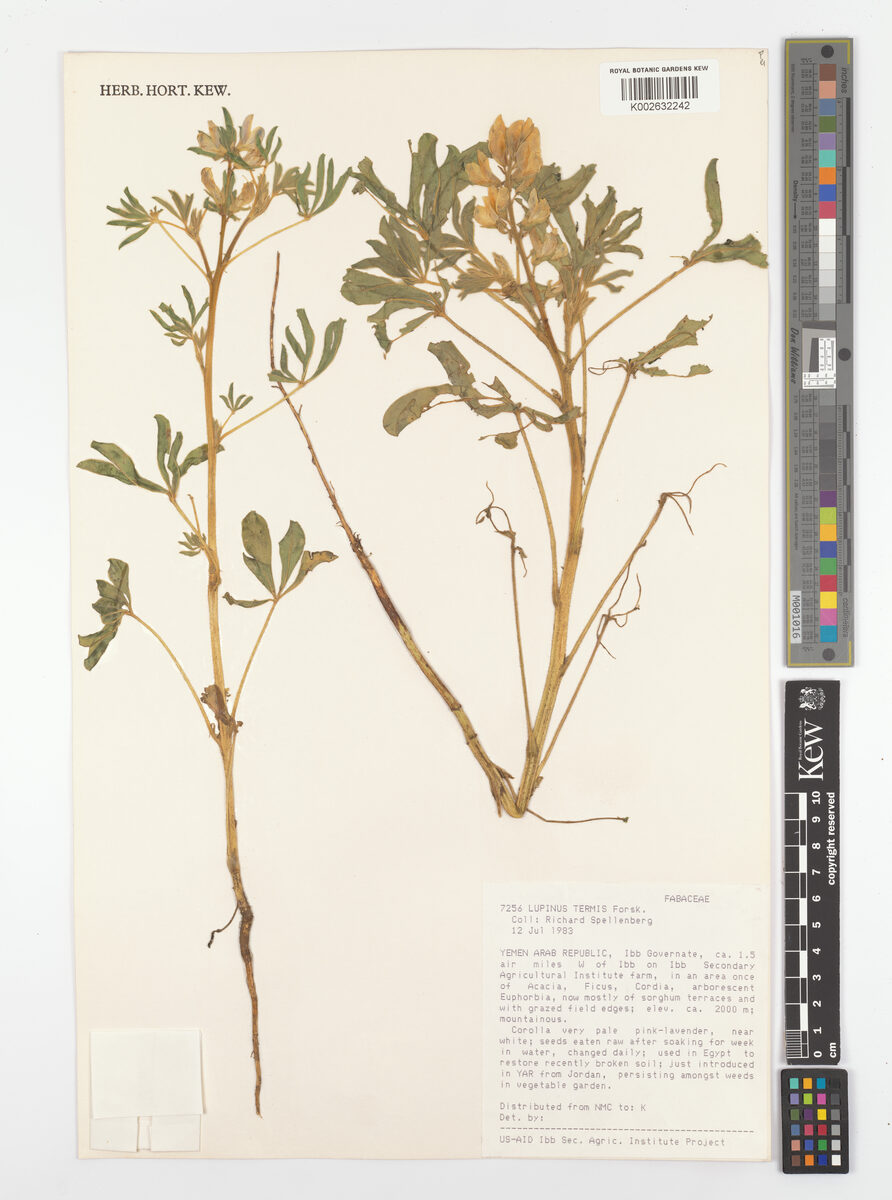
A trailing herb. It can be climbing. It can grow 1 m long. It has a slender rootstock. The stems are slender and branched. They can have a few hairs. The leaflets are 1-6 cm long by 1-2 cm wide. They are narrowly oval. They are hairy underneath. The flowers are in groups of 1-3. The standard is pale pink and purple at the base. The fruit are pods 3-5 cm long by 3-4 mm wide. The seeds are brown and mottled. They are 2.5 mm long by 2 mm wide and 1.5 mm thick.
Edible Uses
The tubers, roots, pods, and seeds are all edible portions of this plant.
Distribution
A tropical plant. It grows in mountain and high rainfall woodland and grassland. It grows in most ground and along swampy rivers. It grows between 780-1,800 m altitude.
Where It Grows
Africa, Angola, Burundi, Central Africa, Congo DR, East Africa, Malawi, Tanzania, Zambia,
Synonyms
References (5)
- Flora Zambesiaca. http://apps.kew.org/efloras
- ILDIS Legumes of the World http:www:ildis.org/Legume/Web
- Jardin, C., 1970, List of Foods Used In Africa, FAO Nutrition Information Document Series No 2.p 20, 29
- Kew Plants of the World On line
- Terra, G.J.A., 1973, Tropical Vegetables. Communication 54e Royal Tropical Institute, Amsterdam, p 76