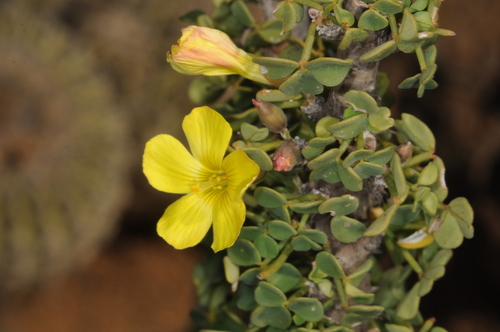
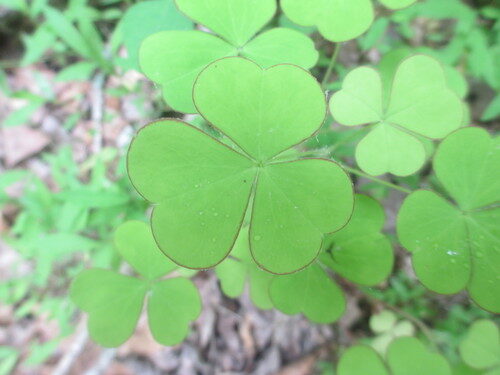
Oxalis adenophylla
Gill. ex Hook. & Arn.
Culle, Culle colorado
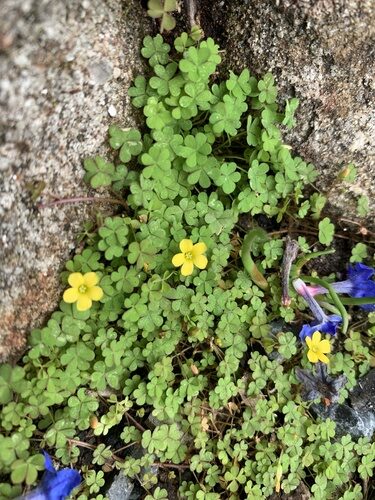
iNaturalist· cc-by-nc
(c) rolandwirth, some rights reserved (CC BY-NC), uploaded by rolandwirth
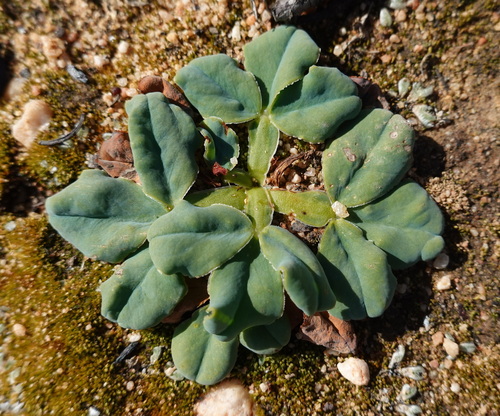
iNaturalist· cc-by-nc
(c) Ryan O'Dell, some rights reserved (CC BY-NC)
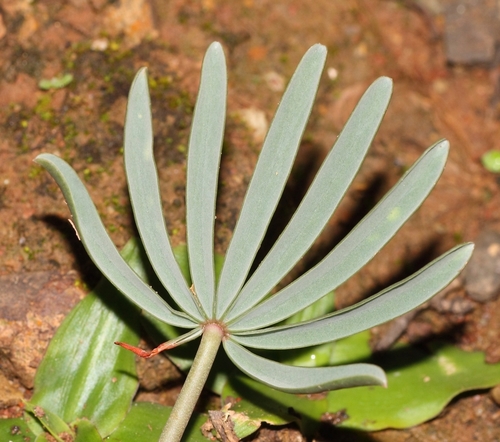
iNaturalist· cc-by-nc
(c) silvertop41, some rights reserved (CC BY-NC)
Summary
Source: WikipediaOxalis adenophylla, commonly known as Chilean oxalis or silver shamrock (among other common names), is an Argentinian and Chilean alpine plant. In Chile, it is distributed between the Santiago Metropolitan Region and the Aysen Region. It is most notable for its leaves, which are palmately divided into as many as 22 leaflets, covered with silvery hairs. The light pink flowers are wider than the leaves.
Description
Oxalis adenophylla is a compact perennial reaching 0.2m in height. Hardy to UK zone 5, it is hermaphroditic. The species grows well in light sandy, medium loamy, and heavy clay soils across mildly acidic to mildly alkaline pH ranges. It tolerates semi-shade or full sun conditions and prefers moist soil.
Edible Uses
None known.
Traditional Uses
The leaves and shoots are used as a lemon substitute to make juices. They are also squashed. cooked and dried for preservation.
This uses section is brief — help expand it
Medicinal Uses
None known.
Distribution
It is a temperate plant. It grows in the Patagonian steppe in Argentina. It grows on rocky grounds. In Argentina it grows from sea level to 2,600 m above sea level.
Where It Grows
Argentina, Chile, South America*,
Cultivation
Not known
Propagation
Seed.
Other Uses
None known.
References (6)
- Ladio, A. H. & Lozada, M., 2000, Edible Plant Use in a Mapuche Community of North-western Patagonia, Human Ecology. Vol. 28, No. 1. pp. 53-71
- Ladio, A. H., 2001, The Maintenance of Wild Edible Plant Gatherings in a Mapuche Community of Patagonia. Economic Botany, Vol. 55, No. 2, pp. 243-254
- Ladio, A. H. and Lozada, M., 2003, Comparison of wild edible plant diversity and foraging strategies in two aboriginal communities of northwestern Patagonia. Biodiversity and Conservation 12: 937–951
- Ladio, A. H. and Lozada, M., 2004, Patterns of use and knowledge of wild edible plants in distinct ecological environments: a case study of a Mapuche community from northwestern Patagonia. Biodiversity and Conservation 13:1153-1173
- Leon-Lobos, P., et al, 2022, Patterns of Traditional and Modern Uses of Wild Edible Native Plants of Chile: Challenges and Future Perspectives. Plants (Basel) v 11 (6) Table S1
Show all 6 references Hide references
- Ochoa, J. S., & Ladio, A, H, 2015, Current use of wild plants with edible underground storage organs in a rural population of Patogonia: between tradition and change. Journal of Ethnobiology andEthnomedicine 11:70