Oxalis enneaphylla
Cav.
Scurvy grass
iNaturalist· cc-by-nc
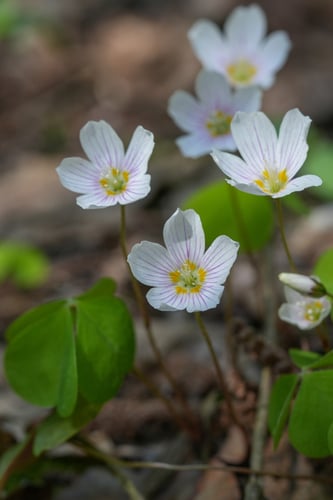
(c) Miguel Eq, some rights reserved (CC BY-NC), uploaded by Miguel Eq
iNaturalist· cc-by-nc
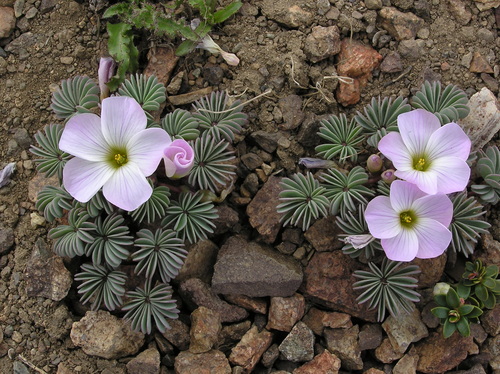
(c) danplant, some rights reserved (CC BY-NC), uploaded by danplant
iNaturalist· cc-by-nc-nd
(c) Roberto Guller, some rights reserved (CC BY-NC-ND), uploaded by Roberto Guller
Summary
Source: WikipediaOxalis enneaphylla, or scurvy grass, is a late spring- and summer-flowering, rhizomatous, alpine perennial herbaceous plant native to the grasslands of Patagonia in Southern Chile and Argentina, and the Falkland Islands. It is a small plant that grows to 7 cm (2.8 in) high and 10 cm (3.9 in) across, with slightly fleshy, hairy, blue-grey leaves, which are edible but have a sharp taste due to their high oxalic acid content. The name enneaphylla comes from the Greek εννεα (ennea), "nine" and φυλλον (phyllon), "leaf". The almond-scented, five-petalled flowers are pink shading to white. They are hermaphrodite and pollinated by Lepidoptera (moths and butterflies). The plant gets its common name "scurvy grass" from the fact that its leaves are rich in vitamin C. It is not closely related to the other plant known as scurvy-grass (Cochlearia), nor is either plant a grass (Poaceae). Sailors travelling around Cape Horn would consume the leaves to avoid scurvy. This is illustrated by this extract from the Journal of Syms Covington, who sailed aboard HMS Beagle with Charles Darwin. Here he describes the Falkland Islands, and refers to Oxalis enneaphylla as "wild thyme": While laying here we found it very squally, and at times very cold. The island is in general mountainous. Not a single tree to be seen but there are low brushes with red berries which are very good eating. Here are bullocks horses and pigs that run wild, rabbits, wild geese and ducks and most excellent snipe shooting on the marshy ground and long grass, of which the island in general has very little else. Likewise there is the tea plant, which bears very sweet berry, and wild thyme which we used as tea, and is very good and much more plentiful than the former. This plant is cultivated in temperate regions, and is suitable for rockeries or alpine gardens. The species and the hybrid cultivar 'Ione Hecker' have gained the Royal Horticultural Society's Award of Garden Merit.
Description
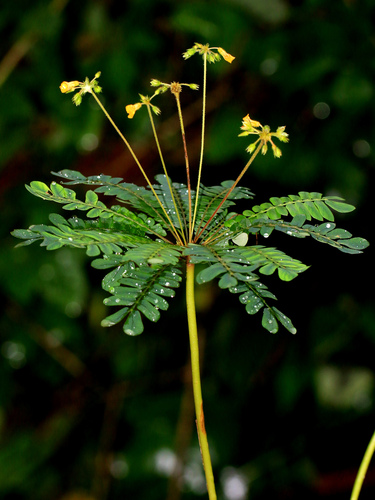
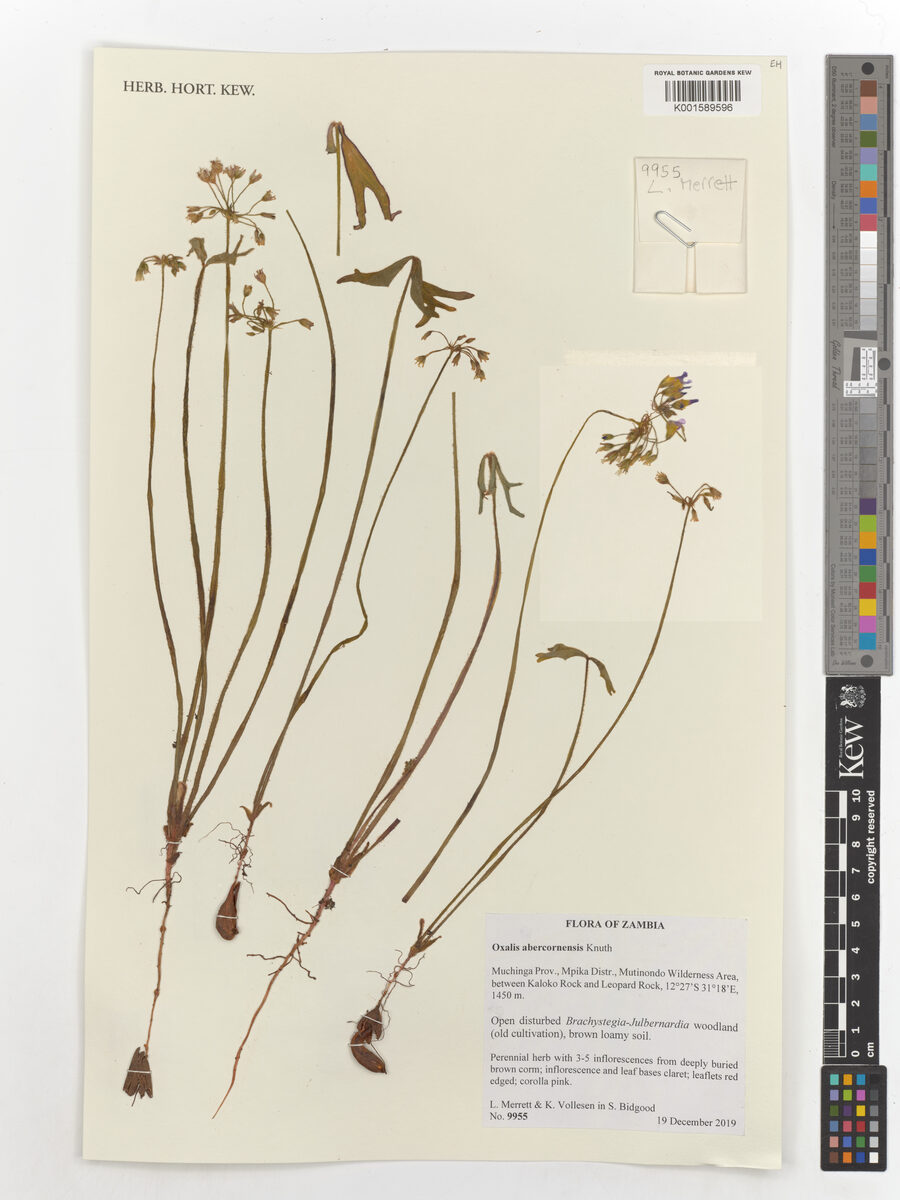
A bulb plant. It grows 8-10 cm high and 10-15 cm wide. The leaves are fleshy and blue-green. They are hairy. The leaves are umbrella shaped with 9 or more pleated segments. The flowers are white or pink with dark veins. Several flowers occur singly.
Edible Uses
The leaves can be eaten raw or cooked; use in moderation due to oxalic acid content. The flowers can also be eaten raw or cooked. The root is also edible, though no further details are available.
Traditional Uses
Caution: It can be high in oxalates.
This uses section is brief — help expand it
Medicinal Uses
None known.
Known Hazards
The leaves contain oxalic acid, which gives them their sharp flavour. Perfectly all right in small quantities, the leaves should not be eaten in large amounts since oxalic acid can bind up the body's supply of calcium leading to nutritional deficiency. The quantity of oxalic acid will be reduced if the leaves are cooked. People with a tendency to rheumatism, arthritis, gout, kidney stones or hyperacidity should take especial caution if including this plant in their diet since it can aggravate their condition.
Distribution
It is frost hardy. It grows on cliffs in the Falkland Islands. It grows in cool temperate regions. In Argentina it grows from sea level to 2,600 m above sea level. It suits hardiness zones 6-9.
Where It Grows
Argentina, Australia, Falklands, Chile, Patagonia, South America*,
Cultivation
Easily grown in a well-drained humus rich sandy soil in a warm dry sunny position. Requires a sheltered position. A very ornamental plant, it does well in the rock garden. The flowers have a delicious almond-like perfume.
Propagation
Seed is best sown as soon as ripe in a cold frame. Prick out seedlings into individual pots when large enough to handle, then plant out in late spring or early summer. Division in spring — larger divisions can go directly into permanent positions. Smaller divisions are better potted up and grown on in light shade in a cold frame until well established before planting out in late spring or early summer.
Other Uses
None known.
Notes
There are about 500 Oxalis species.
References (6)
- Cundall, P., (ed.), 2004, Gardening Australia: flora: the gardener's bible. ABC Books. p 965
- Hedrick, U.P., 1919, (Ed.), Sturtevant's edible plants of the world. p 456
- Joyce, D., 1998, The Garden Plant Selector. Ryland, Peters and Small. p 306
- Morley, B. & Everard, B., 1970, Wild Flowers of the World. Ebury press. Plate 3
- Plants for a Future database, The Field, Penpol, Lostwithiel, Cornwall, PL22 0NG, UK. http://www.scs.leeds.ac.uk/pfaf/
Show all 6 references Hide references
- Upson, R., & Lewis R., 2014, Updated Vascular Plant Checklist and Atlas for the Falkland Islands. Falklands Conservation and Kew.