Visnaga daucoides
Gaertn.
Visnaga, Bisnaga, Toothpick weed
iNaturalist· cc-by
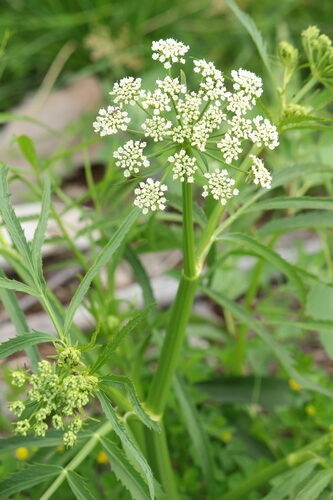
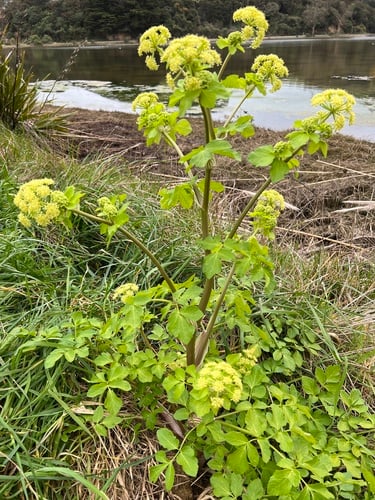
(c) Tim Messick, some rights reserved (CC BY), uploaded by Tim Messick
iNaturalist· cc-by-sa
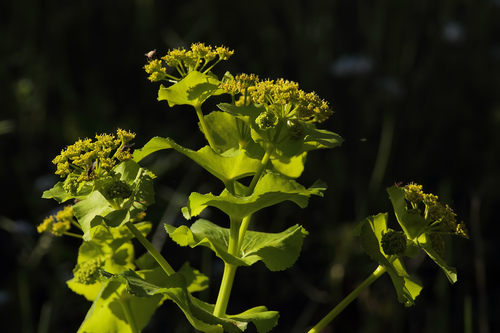
(c) Pato Novoa, some rights reserved (CC BY-SA)
iNaturalist· cc-by
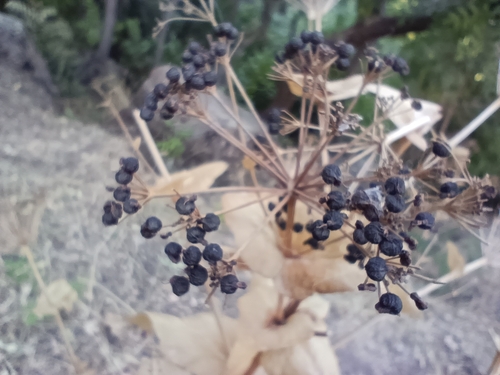
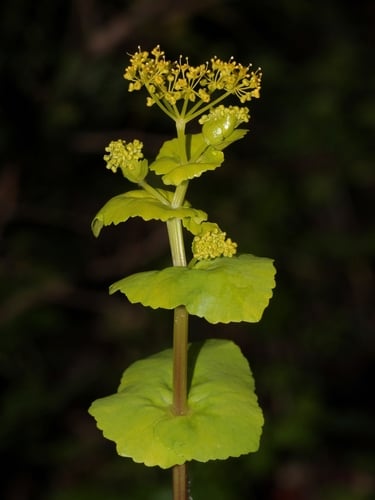
(c) Tim Messick, some rights reserved (CC BY), uploaded by Tim Messick
Summary
Source: WikipediaVisnaga daucoides is a species of flowering plant in the carrot family known by many common names, including toothpick-plant, toothpickweed, bisnaga, khella, or sometimes bishop's weed. It is native to Europe, Asia, and North Africa, but it can be found throughout the world as an introduced species.
Description
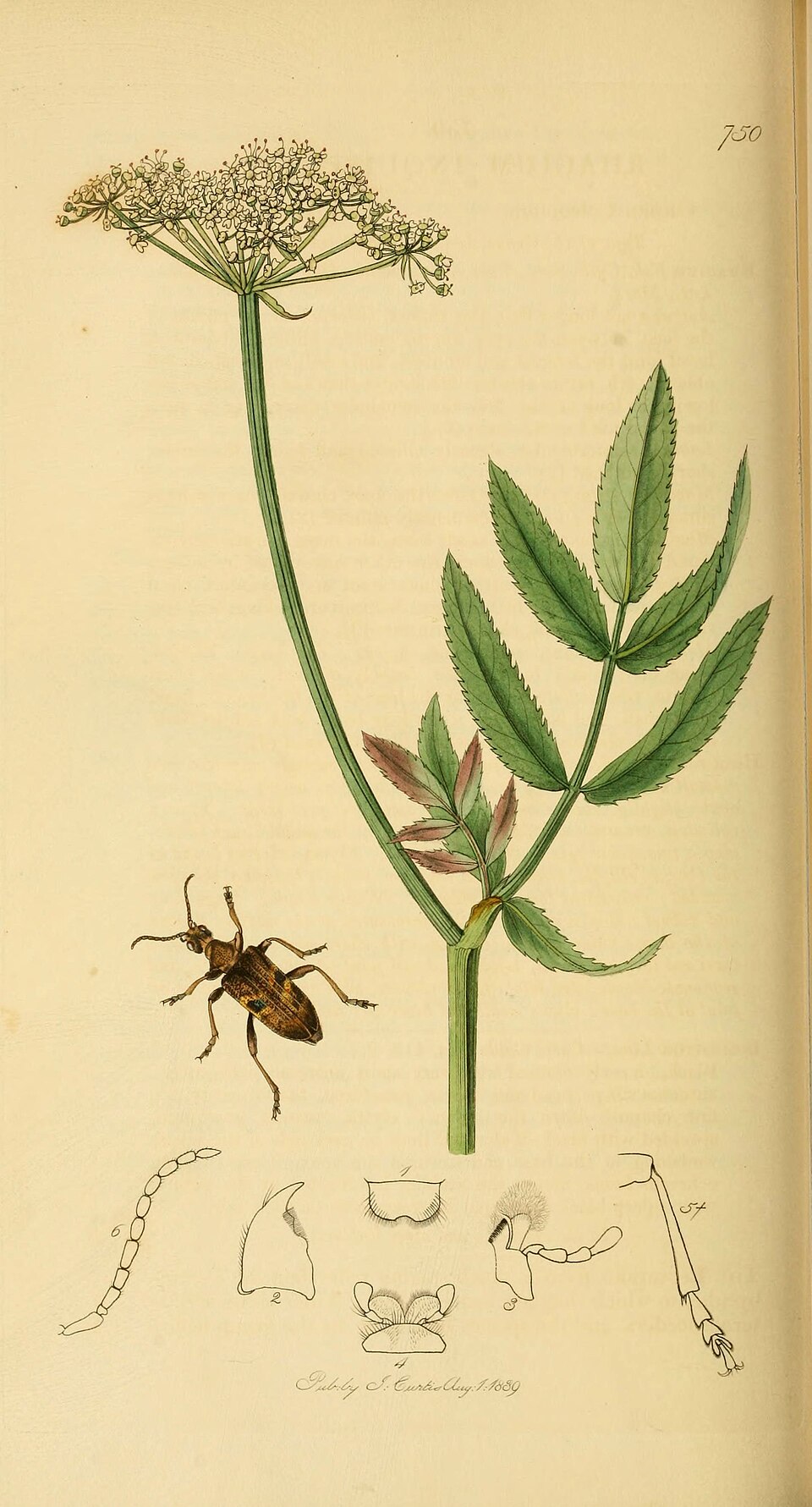
An annual/biennial plant. It grows to 75 cm high and 40 cm wide. The upper leaves have narrow lobes. The flowers are greenish-white. The umbels have 150 rays. They arise from a thickened disk.
Edible Uses
Leaves are chewed raw for flavour and added to salads. Seeds are used as a spice in soft cheese and brewed as herbal tea.
Traditional Uses
Leaves are chewed raw for their flavour. They are also used in salads. The seeds are used as a spice in soft cheese. They are also used as a herbal tea. CAUTION: The sap can irritate the skin.
Medicinal Uses
In Egypt, a tea made from the fruit of this species has been used as a herbal remedy for kidney stones. Preparations of the fruits have also been used for angina pectoris therapy.
Known Hazards
The sap can irritate the skin.
Distribution
It is a warm temperate and Mediterranean climate plant. It grows naturally in fields and sandy places. It prefers a well drained soil in a sunny position. It tolerates a pH in the range 6.8 to 8.3. It suits hardiness zones 8-11.
Where It Grows
Africa, Albania, Algeria, Argentina, Asia, Australia, Belgium, Brazil, Britain, Canary Is., Caucasus, Chile, China, Colombia, Cyprus, Czech Republic, Egypt, Eritrea, Ethiopia, Europe, France, Germany, Greece, India, Iran, Iraq, Italy, Japan, Lebanon, Libya, Mediterranean*, Mexico, Middle East, Morocco, North Africa, North America, Pakistan, Palestine, Peru, Portugal, South America, Spain, Syria, Tunisia, Turkey, Türkiye, Uruguay, USA, Venezuela, Vietnam,
Cultivation
It is grown from seed.
Notes
There are 10 Ammi species.
Synonyms
Also Known As
Dis otu, Hirhir, Kheleh
References (12)
- Ali-Shtayeh, M. S., et al, 2008, Traditional knowledge of wild edible plants used in Palestine (Northern West Bank): A comparative study. J Ethnobiol Ethnomed. 2008; 4: 13.
- Ambasta S.P. (Ed.), 2000, The Useful Plants of India. CSIR India. p 35
- Blamey, M and Grey-Wilson, C., 2005, Wild flowers of the Mediterranean. A & C Black London. p 160
- Brown, D., 2002, The Royal Horticultural Society encyclopedia of Herbs and their uses. DK Books. p 118
- Cundall, P., (ed.), 2004, Gardening Australia: flora: the gardener's bible. ABC Books. p 146
Show all 12 references Hide references
- Dogan, A., et al, 2014, A review of edible plants on the Turkish Apiaceae species. J. Fac. Pharm. Istanbul, 44(2) pp 251-262
- Ertug, F, Yenen Bitkiler. Resimli Türkiye Florası -I- Flora of Turkey - Ethnobotany supplement
- Facciola, S., 1998, Cornucopia 2: a Source Book of Edible Plants. Kampong Publications, p 14
- Fl. franç. 3:462. 1779 ("1778")
- Kew Plants of the World Online
- Plants for a Future database, The Field, Penpol, Lostwithiel, Cornwall, PL22 0NG, UK. http://www.scs.leeds.ac.uk/pfaf/.
- Seidemann J., 2005, World Spice Plants. Economic Usage, Botany, Taxonomy. Springer. p 34