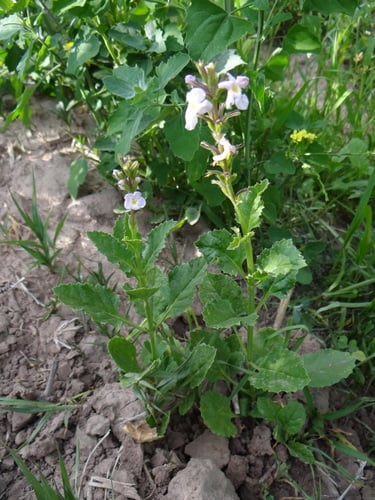
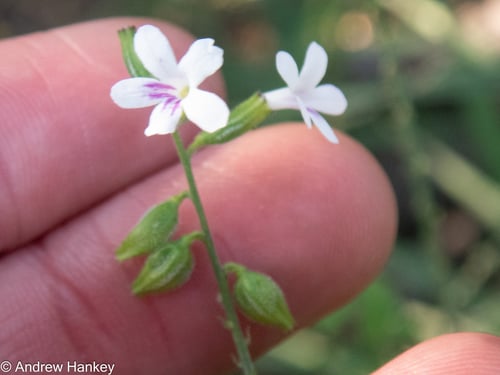
Aloysia citrodora
Palau
Lemon-verbena, Wapine
iNaturalist· cc-by-sa
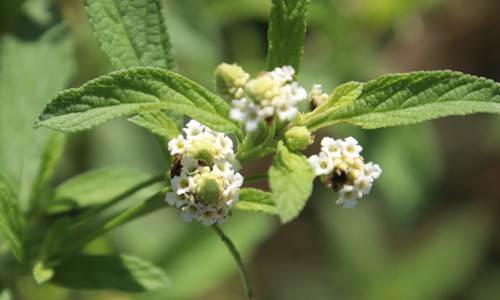
(c) M a n u e l, some rights reserved (CC BY-SA)
iNaturalist· cc-by
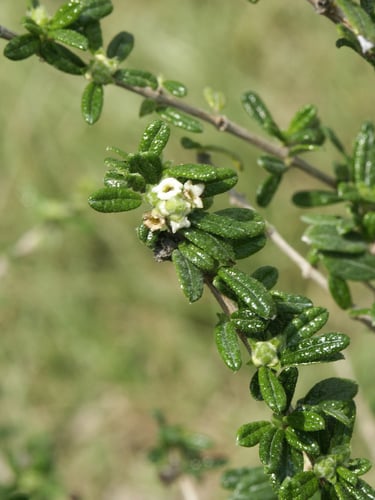
(c) Dick Culbert, some rights reserved (CC BY)
iNaturalist· cc-by-nc
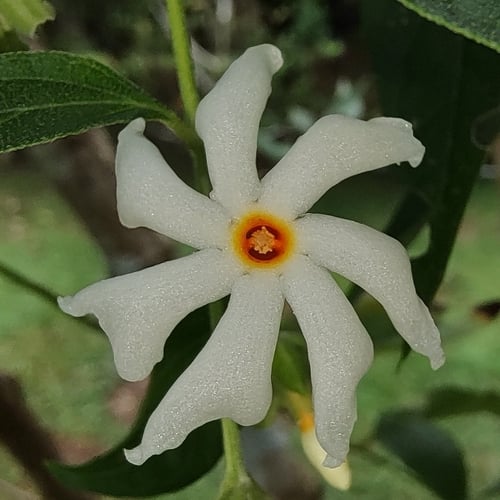
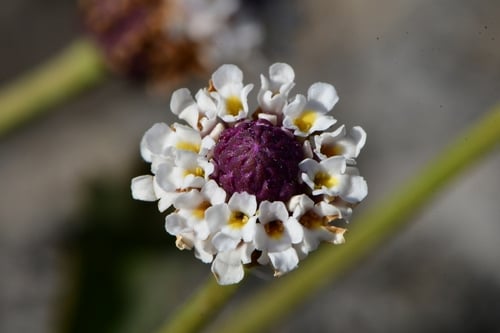
(c) camilay22, some rights reserved (CC BY-NC)
Summary
Source: WikipediaAloysia citrodora, lemon verbena, is a species of flowering plant in the verbena family Verbenaceae, native to South America. Other common names include lemon beebrush. It was brought to Europe by the Spanish and the Portuguese in the 17th century and cultivated for its oil.
Description
A shrub. It is open and straggly. It can be 3 m high and spread 3 m wide. The leaves are in rings of 3 or 4. The leaves are prickly and pale green. They are sword shaped and 5-10 cm long. The leaves are lemon scented. The flowers are small and in groups along a stalk. They are very pale purple.
Edible Uses
The leaves are used as a flavouring and dried for herbal teas. Oil of Verbena is also produced from the leaves.
Traditional Uses
The dried leaves are used for flavourings and for herbal teas.
This uses section is brief — help expand it
Medicinal Uses
Lemon verbena leaves are used to add a lemon flavor to fish and poultry dishes, vegetable marinades, salad dressings, jams, puddings, Greek yogurt, and beverages. The leaves are also used in potpourri. Lemon verbena is used to make herbal teas and as a liqueur flavoring. It is used in traditional medicine in Latin American countries. The oil was historically steam-distilled from the leaves for use in the perfume industry, but it has skin-sensitising and phototoxic properties. In the European Union, verbena essential oils (Lippia citriodora Kunth.) and derivatives other than absolute are prohibited when used as a fragrance ingredient (Regulation No. 1223/2009, Annex II).
Known Hazards
The essential oil from the plant might sensitise the skin to sunlight.
Distribution
It is a warm temperate to tropical plant. It needs good sunlight and a well-drained soil. The soil needs to be kept moist. In Argentina it grows between 500-3,500 m above sea level. It suits hardiness zones 8-12.
Where It Grows
Africa, Albania, Argentina*, Australia, Bolivia, Brazil, Chile, Cuba, Ecuador, Europe, France, Hawaii, Mexico, Pacific, Peru, Paraguay, Puerto Rico, South Africa, Southern Africa, South America, Spain, Uruguay, USA, Venezuela, West Indies,
Cultivation
It can be grown from seed or from woody cuttings.
Propagation
Seed - sow in a container, only just cover the seed and keep in a light position, making sure the compost does not dry out. When large enough to handle, prick the seedlings out into individual pots and plant out when 25cm or more tall. Cuttings of softwood in a frame. The cuttings root quickly and easily. Cuttings of half-ripe wood in a frame. The cuttings root quickly and easily.
Other Uses
An essential oil obtained from the leaves is extensively used in perfumery, especially in making toilet water and eau de cologne. An average yield of 0.5% is obtained. There is some evidence that the use of this oil can sensitise the skin to sunlight and so its use has been largely replaced by the tropical plant lemongrass, Cymbopogon spp.. The dried leaves retain their fragrance well and so are used in potpourri. The essential oil is an effective insecticide in 1 - 2% concentration. The growing plant repels midges, flies and other insects.
Notes
There are about 40 Aloysia species. Oil of Verbena is produced from the leaves.
Synonyms
Also Known As
Citronaloysia, Erba luigia, Marialluisa
References (15)
- Bonet, M. A. & Valles, J., 2002, Use of non-crop food vascular plants in Montseny biosphere reserve (Catalonia, Iberian Peninsula). International Journal of Food Sciences and Nutrition (2002) 53, 225–248 (As Lippia triphylla)
- Caballero-Serrano, V., et al, 2019, Traditional ecological knowledge and medicinal plant diversity in Ecuadorian Amazon home gardens. Global Ecology and Conservation 17 (2019) e00524 p 14 (As Aloysia triphylla)
- Cundall, P., (ed.), 2004, Gardening Australia: flora: the gardener's bible. ABC Books. p 138
- Esperanca, M. J., 1988. Surviving in the wild. A glance at the wild plants and their uses. Vol. 2. p 55 (As Lippia citriodora)
- Kermath, B. M., et al, 2014, Food Plants in the Americas: A survey of the domesticated, cultivated and wild plants used for Human food in North, Central and South America and the Caribbean. On line draft. p 35
Show all 15 references Hide references
- Kew Plants of the World On line
- Miguel, E., et al, 1989, A checklist of the cultivated plants of Cuba. Kulturpflanze 37. 1989, 211-357 (As Lippia triphylla)
- Parte pract. bot. 1:768. 1784
- Ruiters-Welcome, A. K., 2019, Food plants of southern Africa. Ph.D. thesis. Univ. of Johannesburg p 106
- Sansanelli, S., et al, 2014, Wild food plants traditionall consumed in the area of Bologna (Emilia Romagna region, Italy). Journal of Ethnobiology and Ethnomedicine 10:69 (As Lippia citriodora)
- Staples, G.W. and Herbst, D.R., 2005, A tropical Garden Flora. Bishop Museum Press, Honolulu, Hawaii. p 556 (Drawing)
- Young, J., (Ed.), 2001, Botanica's Pocket Trees and Shrubs. Random House. p 87 (As Aloysia triphylla)
- Welcome, A. K. & Van Wyk, B.-E., 2019, An inventory and analysis of the food plants of southern Africa. South African Journal of Botany 122 (2019) 136–179
- Wiersema, J. H. & Leon, B., 2013, World Economic Plants. A Standard Reference CRC Press. 2nd Ed. p 40
- World Checklist of Useful Plant Species 2020. Royal Botanic Gardens, Kew