Allium stracheyi
Baker
Jambu
iNaturalist· cc-by-sa
(c) Daniel Dias, some rights reserved (CC BY-SA), uploaded by Daniel Dias
iNaturalist· cc-by-nc
(c) Sylvain Piry, some rights reserved (CC BY-NC), uploaded by Sylvain Piry
iNaturalist· cc-by-nc
(c) Sylvain Piry, some rights reserved (CC BY-NC), uploaded by Sylvain Piry
gbif· cc-by
Hazara University
gbif· cc-by
Hazara University
gbif· cc-by
Royal Botanic Gardens, Kew
Summary
A bulbous species with hermaphroditic flowers pollinated by bees and insects. Thrives in light sandy or medium loamy, well-drained soils with mildly acid to alkaline pH. Requires full sun and prefers consistently moist conditions.
Description
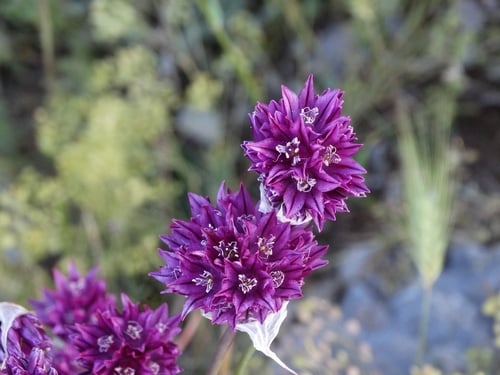
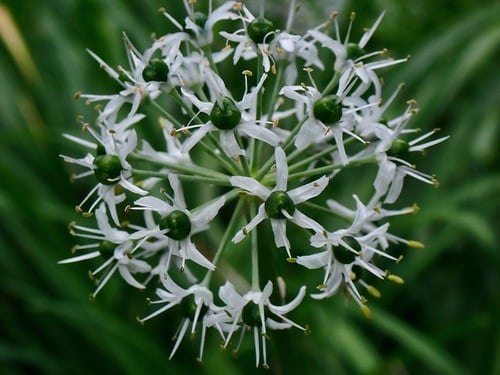
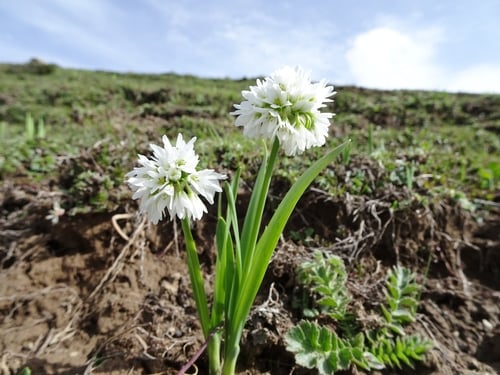
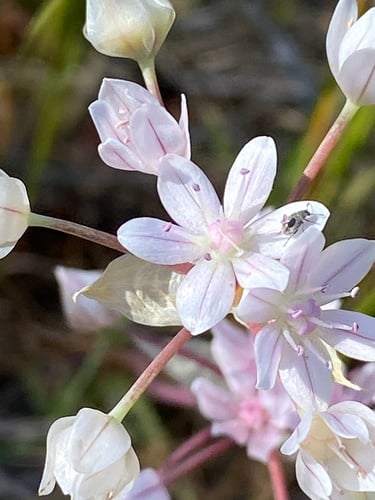
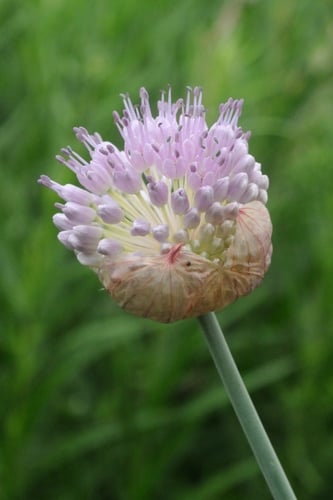
An onion family plant. It is a herb which forms a bulb. The flowers can be pink, red or pale yellow.
This description is brief — help expand it
Edible Uses
The bulbs, leaves, and flowers are all edible. Bulbs and leaves can be eaten raw or cooked. Leaves can be dried and used as a flavoring agent. Flowers are consumed raw and used as an attractive garnish on salads.
Traditional Uses
The leaves and bulbs are cooked as a vegetable. They are also dried and used as a seasoning. The flowers can be eaten raw or used as a garnish in salads.
Medicinal Uses
Although no documented medicinal uses exist for this particular species, Allium plants generally contribute to good health through their sulphur compounds. Regular consumption helps reduce blood cholesterol, acts as a digestive tonic, and supports circulatory function.
Known Hazards
Although no individual reports regarding this species have been seen, there have been cases of poisoning caused by the consumption, in very large quantities and by some mammals, of certain members of this genus. Dogs seem to be particularly susceptible.
Distribution
It is a temperate plant. It grows between 2500-4000 m altitude in Uttar Pradesh in India. It grows in cold arid regions.
Where It Grows
Asia, Himalayas, India, Nepal,
Cultivation
We have very little information on this species and do not know if it will be hardy in Britain. The following notes are based on the general needs of the genus. Prefers a sunny position in a light well-drained soil. The bulbs should be planted fairly deeply. Most members of this genus are intolerant of competition from other growing plants. Grows well with most plants, especially roses, carrots, beet and chamomile, but it inhibits the growth of legumes. This plant is a bad companion for alfalfa, each species negatively affecting the other. Members of this genus are rarely if ever troubled by browsing deer.
Propagation
Spring sow seeds in a cold frame and prick seedlings into individual pots; use three seedlings per pot to develop clumps faster. Grow in greenhouse over the first winter before spring transplanting to permanent positions. Division in spring is successful anytime during the growing season; pot divisions in a cold frame or greenhouse until established, then move to permanent locations.
Other Uses
Plant juice serves as a moth repellent. The entire plant is said to repel insects and moles.
Other Information
The leaves are sold in markets. It is a cultivated food plant.
Notes
There are about 300-700 Allium species. Most species of Allium are edible (Flora of China). All alliums are edible but they may not all be worth eating! They have also been put in the family Alliaceae.
Synonyms
Also Known As
Dunna, Jamboo, Jangali lasun, Januarygali, Jimbu, Pharan, Sekua, Van lahsun
References (16)
- Arora, R. K., 2014, Diversity in Underutilized Plant Species - An Asia-Pacific Perspective. Bioversity International. p 35
- Dangol, D. R. et al, 2017, Wild Edible Plants in Nepal. Proceedings of 2nd National Workshop on CUAOGR, 2017.
- Gautam, R. S., et al, 2022, Ethnobotanical Review of Wild Edible Plants of Nepal. Journal of Natural History Museum Volume 32, 2021-22 p 100
- Joshi, N., et al, 2007, Traditional neglected vegetables of Nepal: Their sustainable utilization for meeting human needs. Tropentag 2007. Conference on International Agricultural Research for Development.
- Kishor, A., et al, 2018, Wild Food Plants of Himachal Pradesh: A Review. Plant Archives Vol. 18 No.2 pp. 2737-2751
Show all 16 references Hide references
- Misra, S. et al, 2008, Wild leafy vegetables: A study of their subsistence dietetic support to the inhabitants of Nanda Devi Biosphere reserve, India. Journal or Ethnobiology and Ethnomedicine. 4:15
- Negi, K.S., 1988, Some little known wild edible plants of U.P. Hills. J. Econ. Tax. Bot. Vol. 12 No. 2 pp 345-360
- Negi, K. S., and Pant, K. C., 1992, Less-Known Wild Species of Allium L. (Amaryllidaceae) from Mountainous Regions of India. Economic Botany, Vol. 46, No. 1, pp. 112-114
- Plants for a Future database, The Field, Penpol, Lostwithiel, Cornwall, PL22 0NG, UK. http://www.scs.leeds.ac.uk/pfaf/
- Rana, J.C. et al, 2011, Genetic resources of wild edible plants and their uses among tribal communities of cold arid regions of India. Genetic Resources and crop Evolution. (2012) 59:135-149
- Rawat, G.S., & Pangtey, Y.P.S., 1987, A Contribution to the Ethnobotany of Alpine Regions of Kumaon. J. Econ. Tax. Bot. Vol. 11 No. 1 pp 139-147
- Seidemann J., 2005, World Spice Plants. Economic Usage, Botany, Taxonomy. Springer. p 26
- Sharma, L. et al, 2018, Diversity, distribution pattern, endemism and indigenous uses of wild edible plants in Cold Desert Biosphere Reserve of Indian Trans Himalaya. Indian Journal of Traditional Knowledge. Vol 17(1) January 2018 pp 122-131
- Thakur, D., et al, 2017, Why they eat, what they eat: patterns of wild edible plants consumption in a tribal area of Western Himalaya. Journal of Ethnobiology and Ethnomedicine (2017) 13:70
- Wiersema, J. H. & Leon, B., 2013, World Economic Plants. A Standard Reference CRC Press. 2nd Ed. p 36
- World Checklist of Useful Plant Species 2020. Royal Botanic Gardens, Kew