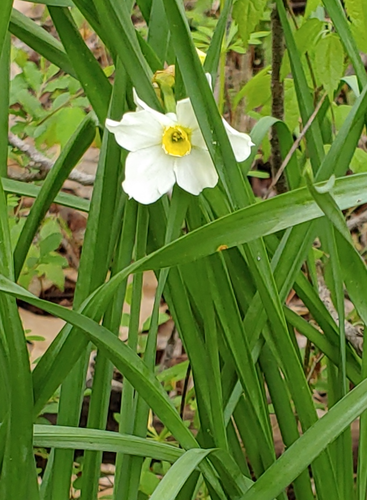
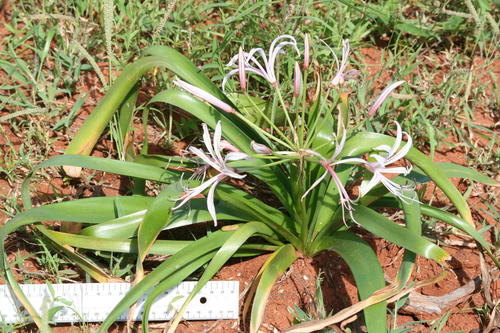
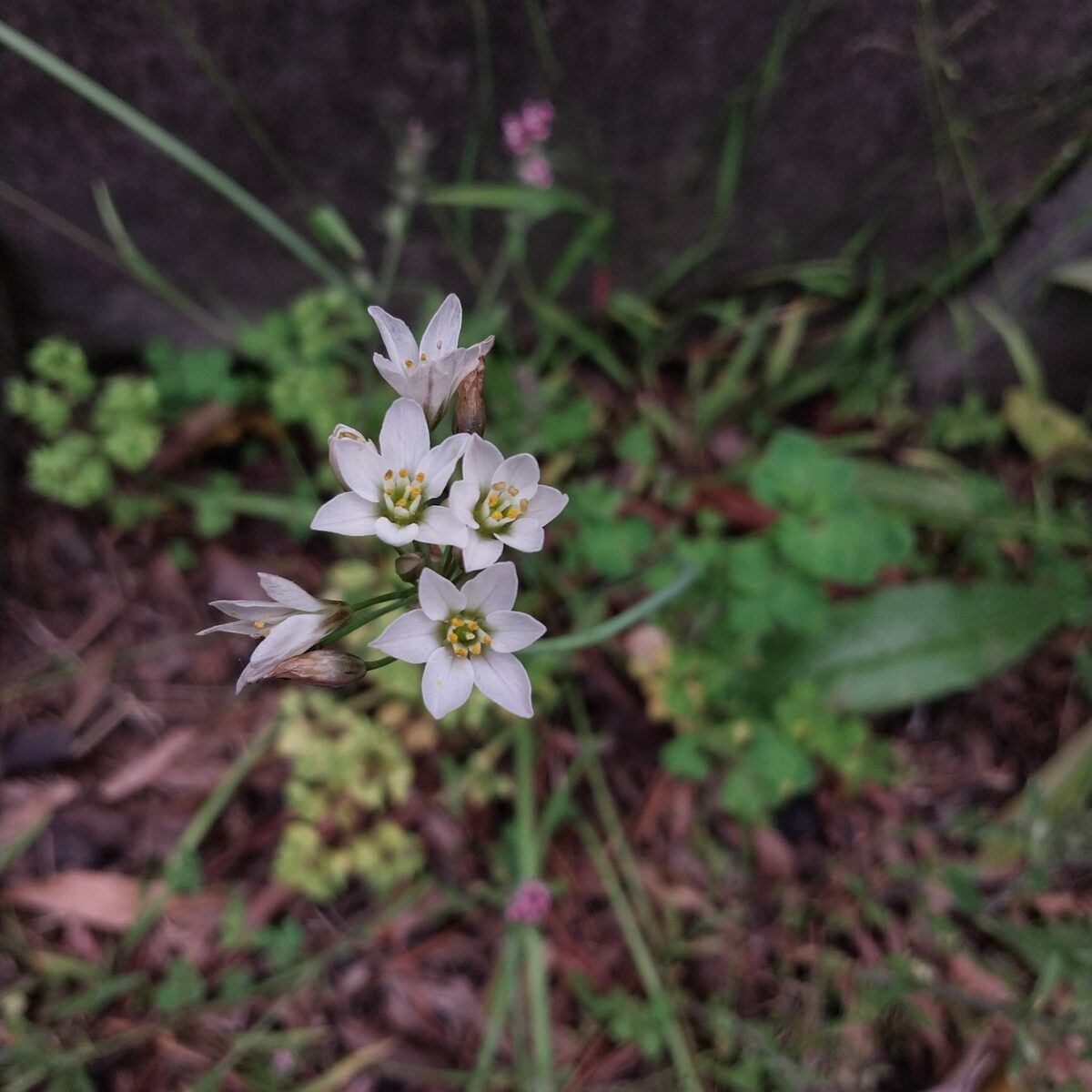
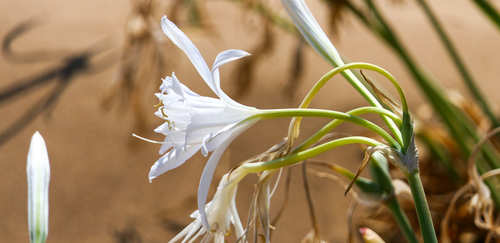
Allium macleanii
Baker
Oriental Royal Salep
iNaturalist· cc-by-nc
(c) jule_mjng, some rights reserved (CC BY-NC)
wikimedia· cc-by
Wikimedia Commons - Arkadiusz Nowak, Marcin Nobis, Sylwia Nowak, Agnieszka Nobis, Anna Wróbel, Sebastian Świerszcz, Ewelina Klichowska, Iwona Dembicz & Grzegorz Kusza
wikimedia· cc0
Wikimedia Commons - Baker
Summary
Source: WikipediaAllium macleanii is an Asian species of wild onion found at high elevations in Pakistan, Kazakhstan, Turkmenistan, Kyrgyzstan, Afghanistan, Nepal, Tajikistan, and northern India. It is a perennial herb up to 100 cm tall, with a spherical umbel up to 7 cm in diameter. The umbel is crowded with many purple flowers.
Description
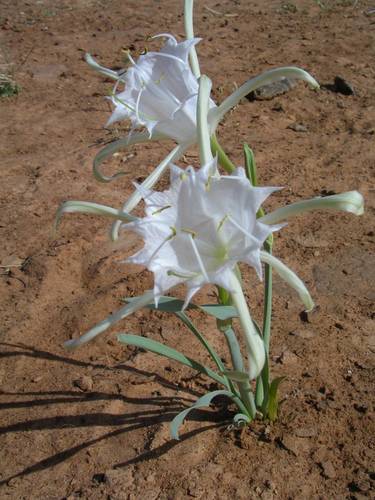
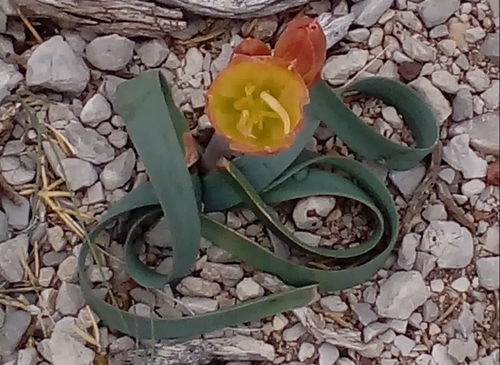
An onion family plant. A bulb plant. It grows to 1 m high. The bulbs are 2 - 6 cm across. They have papery coats. The leaves are green and at the base and up to 8 cm across. The flower stems grow 1 m long. The stems have distinct ribs. The flowers are star shaped and purple.
Edible Uses
The bulbs, which measure 2–6 cm in diameter, can be eaten raw or cooked. They work well as an onion substitute — slice them into salads, cook them as a vegetable, or add them as a flavouring to cooked dishes. The leaves are also edible raw or cooked. The flowers are edible raw and make an attractive garnish on salads.
Traditional Uses
The bulbs are eaten raw or cooked. The leaves are eaten raw or cooked. The flowers are used raw to flavour salads.
This uses section is brief — help expand it
Medicinal Uses
No specific medicinal uses have been recorded for this species, but members of this genus are generally considered healthy additions to the diet. They contain sulphur compounds responsible for their onion flavour, and regular consumption can help reduce blood cholesterol levels, act as a digestive tonic, and support the circulatory system.
Known Hazards
Although no individual reports regarding this species have been seen, there have been cases of poisoning caused by the consumption, in large quantities and by some mammals, of certain members of this genus. Dogs seem to be particularly susceptible.
Distribution
It is native to Afghanistan and central Asia. It grows naturally on gentle slopes at low altitudes to 1200 metres in Afghanistan.
Where It Grows
Asia, Afghanistan, Central Asia, Iran, Middle East, Tajikistan,
Cultivation
An easily grown plant, it prefers a sunny position in a light well-drained soil. Dislikes dry soils. Plants are not very hardy in Britain, succeeding outdoors in the milder areas of the country and probably tolerating temperatures down to between -5 and -10°c. This species is closely related to A. giganteum. The bulbs should be planted fairly deeply. Most members of this genus are intolerant of competition from other growing plants. Grows well with most plants, especially roses, carrots, beet and chamomile, but it inhibits the growth of legumes. This plant is a bad companion for alfalfa, each species negatively affecting the other. Members of this genus are rarely if ever troubled by browsing deer.
Propagation
Sow seed in spring in a cold frame. Prick out seedlings into individual pots once large enough to handle — placing three plants per pot will produce clumps more quickly. Grow on in the greenhouse for at least the first winter, then plant out in spring once vigorous and large enough. For division, split plants in spring; they divide successfully at any point during the growing season. Pot divisions in a cold frame or greenhouse until established before planting out permanently.
Other Uses
The plant's juice can be used as a moth repellent. The whole plant is also said to repel insects and moles.
Notes
There are about 300-700 Allium species. Most species of Allium are edible (Flora of China). All alliums are edible but they may not all be worth eating! They have also been put in the family Alliaceae.
Synonyms
References (4)
- Bircher, A. G. & Bircher, W. H., 2000, Encyclopedia of Fruit Trees and Edible Flowering Plants in Egypt and the Subtropics. AUC Press. p 19
- Bot. Mag. 109: t. 6707. 1883
- Plants for a Future database, The Field, Penpol, Lostwithiel, Cornwall, PL22 0NG, UK. http://www.pfaf.org
- Woodward, P., 1996, Garlic and Friends. The History, Growth and Use of Edible Alliums. Hyland House. p 194