Allium jacquemontii
Kunth
gbif· cc0
Qarshi Industries Pvt Ltd
gbif· cc0
Royal Botanic Garden Edinburgh
gbif· cc-by-sa
GBIF
Summary
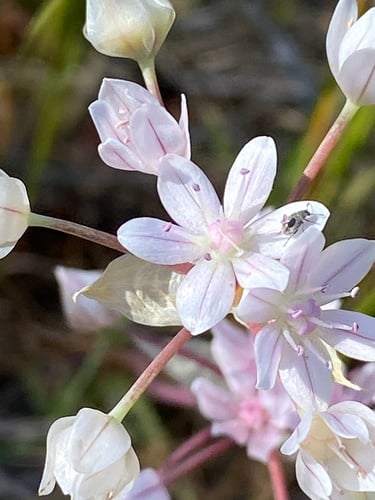
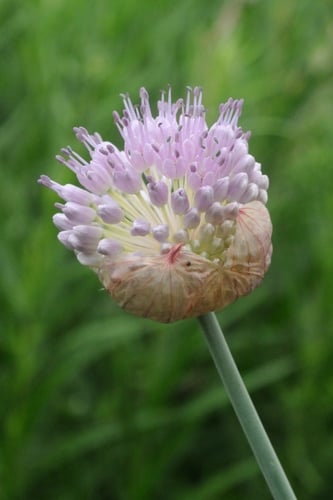
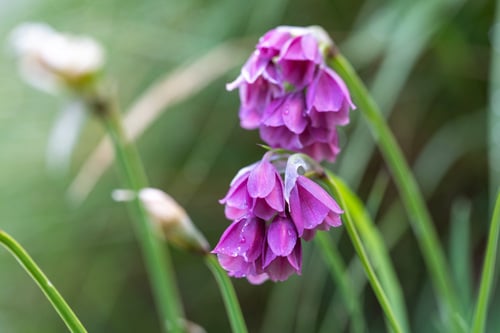
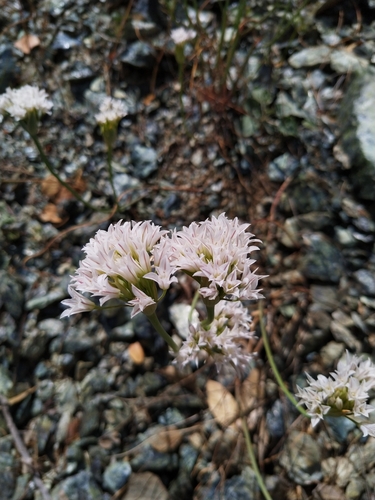
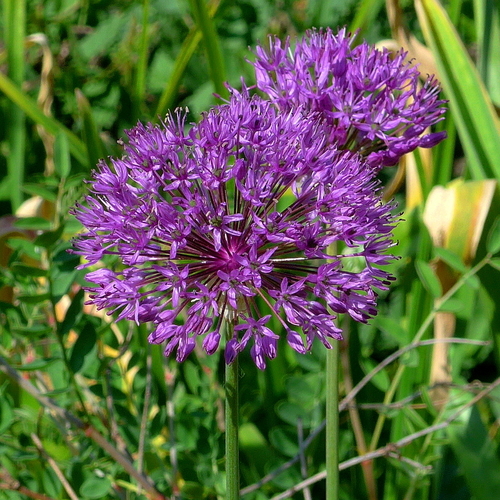
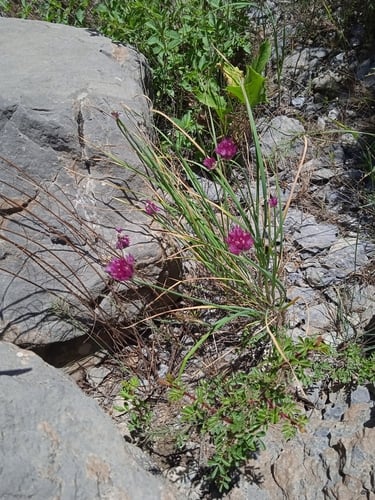
Source: WikipediaAllium jacquemontii is a plant species native to India, Pakistan, Afghanistan, Tajikistan, Xizang (Tibet) and Xinjiang. It grows high in the mountains at elevations of 4,000–4,500 metres (13,100–14,800 ft). Allium jacquemontii forms solitary egg-shaped bulbs about 10 millimetres (0.39 in) across. Scapes are up to 40 centimetres (16 in) tall. Umbel forms a hemisphere of many densely packed red or purple flowers.
Description
A herb. It has a single bulb. This is oval and 1 cm across. There are 2 or 3 leaves. These are 1-2 mm wide. The stalk is 25-40 cm long.
This description is brief — help expand it
Edible Uses
The leaves are eaten as a vegetable and used in chutney and for flavouring.
Traditional Uses
It is used in chutney and for flavouring.
This uses section is brief — help expand it
Distribution
It is a temperate plant. It grows above 2,500 m in cold arid areas in India. In western China it grows on high plateaus and gravelly places between 4,200-4,600 m above sea level.
Where It Grows
Asia, Central Asia, China, Himalayas, India, Pakistan, Tajikistan, Tibet,
Notes
They have also been put in the family Alliaceae.
Synonyms
Also Known As
Gao yuan xie
References (3)
- Badwar, R. R., & Fernandez, R. R., 2011, Edible Wild Plants of the Himachal Pradesh State by IHBT, Himalayas, Daya Publishing House,. Delhi, India
- Rana, J.C. et al, 2011, Genetic resources of wild edible plants and their uses among tribal communities of cold arid regions of India. Genetic Resources and crop Evolution. (2012) 59:135-149
- Sharma, L. et al, 2018, Diversity, distribution pattern, endemism and indigenous uses of wild edible plants in Cold Desert Biosphere Reserve of Indian Trans Himalaya. Indian Journal of Traditional Knowledge. Vol 17(1) January 2018 pp 122-131