Allium giganteum
Regel
Giant onion
iNaturalist· cc-by-nc
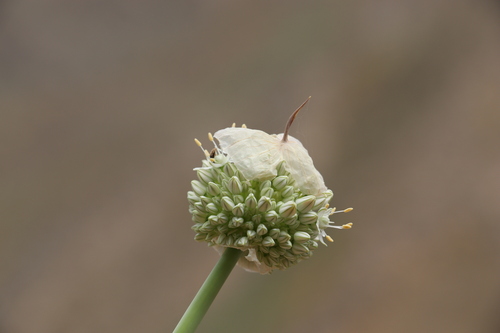
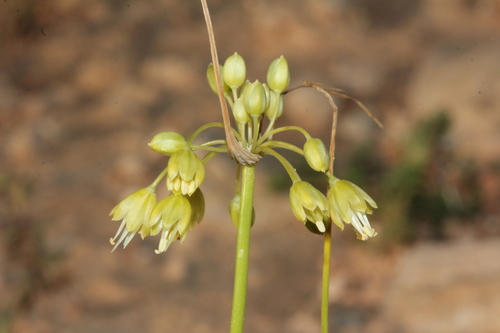
(c) Наталья Бешко, some rights reserved (CC BY-NC), uploaded by Наталья Бешко
iNaturalist· cc-by-nc
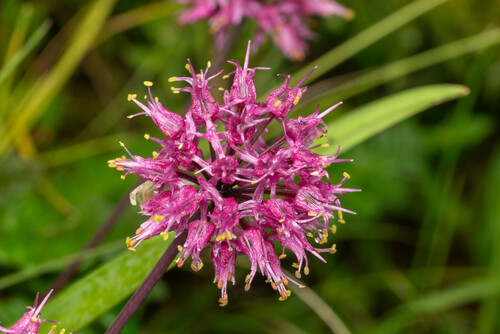
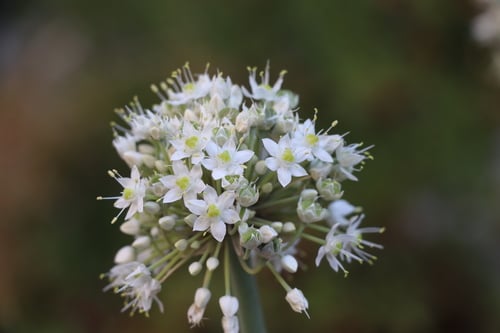
(c) Josh Pulito, some rights reserved (CC BY-NC), uploaded by Josh Pulito
iNaturalist· cc-by-nc
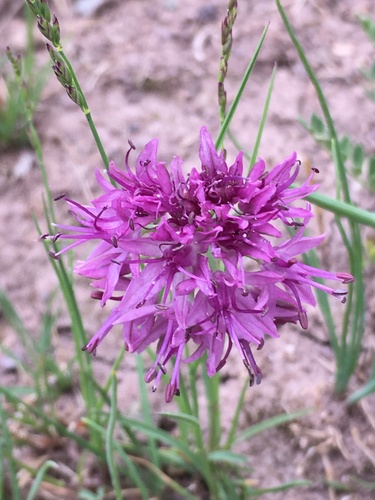
(c) Наталья Бешко, some rights reserved (CC BY-NC), uploaded by Наталья Бешко
Summary
Source: WikipediaAllium giganteum, common name giant onion or giant leek, is an Asian species of onion in the Onion Family (Alliaceae), native to central and southwestern Asia but cultivated in many countries as a flowering garden plant. It is the tallest species of Allium in common cultivation, growing to 1.5 metres (4.9 ft). In early to midsummer, small globes of intense purple umbels appear, followed by attractive fruiting umbels. A popular cultivar, 'Globemaster', is shorter (80 centimetres (31 in)) but produces much larger, deep violet, umbels (15–20 centimetres (5.9–7.9 in)). These globular umbels can contain thousands of florets (i.e. tiny flowers). A bulb dealer in Arcadia, California, counted 5286 florets from a single umbel. Both varieties have been granted the Royal Horticultural Society's Award of Garden Merit. In nature, the species is found in Iran, Afghanistan, Turkmenistan, Tajikistan, and Uzbekistan. In cultivation in the US, it performs well in USDA hardiness zones 6–10. Eating flowers, seeds, leaves, and stems can cause nausea, vomiting, and diarrhea due to the sulfides they contain.
Description
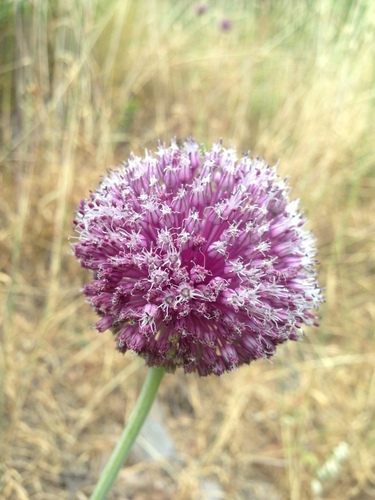
An onion family plant. A bulb plant. It grows to 2 m tall and 15 cm wide. The leaves usually reach 15-30 cm high and the flowering stems are taller. The bulbs are 4-6 cm across. The leaves are flat, wide and sprawling. The leaves have an onion smell when bruised. The flower stems comes from the centre of the leaves. The flowers form ball like heads 10-15 cm across. These heads have flowers which are purplish-pink.
Edible Uses
The bulb can be eaten raw or cooked. No formal edibility records have been traced for this species, but the bulb is not poisonous and has a pleasant, mild onion flavour. The bulbs are fairly large, measuring 4–6cm in diameter. The leaves are also edible raw or cooked. The flowers can be eaten raw and work well as a garnish on salads.
Traditional Uses
The bulbs are eaten raw or cooked. The leaves are eaten raw or cooked. The flowers are used raw to flavour salads.
This uses section is brief — help expand it
Medicinal Uses
No specific medicinal uses have been recorded for this species. However, as with other members of this genus, it is considered a healthy dietary addition. Alliums contain sulphur compounds responsible for their onion flavour, and regular consumption is associated with reduced blood cholesterol, a tonic effect on the digestive system, and support for the circulatory system.
Known Hazards
Although no individual reports regarding this species have been seen, there have been cases of poisoning caused by the consumption, in large quantities and by some mammals, of certain members of this genus. Dogs seem to be particularly susceptible.
Distribution
It is a temperate and Mediterranean climate plant. It is native to Central Asia. It prefers a sunny position and a light well drained soil. It can grow in light shade and tolerate hot conditions. It is frost hardy. It suits hardiness zones 7-9.
Where It Grows
Afghanistan, Asia, Australia, Central Asia, Europe, Himalayas, Pakistan, Russia, Slovenia, Tajikistan, Turkey, Türkiye, Uzbekistan,
Cultivation
Prefers a hot, sunny position in a light well-drained soil, it grows well in the light shade of thinly-clad shrubs that also like hot dry conditions. The bulbs tend to rot when grown in cool wet climates, even if they are given sharp drainage. One report says that this species is only hardy to zone 8, which only covers the mildest areas of Britain, whilst another says that it is much hardier and will succeed in zone 4. It is being grown successfully about 60 kilometres west of London, and so should be hardy at least in the south of Britain. The bulbs should be planted fairly deeply. Most members of this genus are intolerant of competition from other growing plants. Grows well with most plants, especially roses, carrots, beet and chamomile, but it inhibits the growth of legumes. This plant is a bad companion for alfalfa, each species negatively affecting the other. Members of this genus are rarely if ever troubled by browsing deer.
Propagation
Sow seed in spring in a cold frame. Prick out seedlings into individual pots once large enough to handle — placing three plants per pot will produce clumps more quickly. Grow on in the greenhouse for at least the first winter and plant out into permanent positions in spring once growing vigorously. Division can be done in spring, and the plants will divide successfully at any point during the growing season. Pot up divisions in a cold frame or greenhouse until established, then plant out into permanent positions.
Other Uses
The plant's juice can be used as a moth repellent, and the whole plant is said to deter insects and moles.
Notes
There are about 300-700 Allium species. Most species of Allium are edible (Flora of China). All alliums are edible but they may not all be worth eating! They have also been put in the family Alliaceae.
Also Known As
Orjaški luk
References (9)
- Burnie, G.(Ed.), 2003, Annuals and Bulbs. The Gardener's Handbooks. Fog City Press. p 241
- Cundall, P., (ed.), 2004, Gardening Australia: flora: the gardener's bible. ABC Books. p 126
- Ertug, F, Yenen Bitkiler. Resimli Türkiye Florası -I- Flora of Turkey - Ethnobotany supplement
- Gartenflora 32:97, t. 1113. 1883
- Joyce, D., 1998, The Garden Plant Selector. Ryland, Peters and Small. p 280
Show all 9 references Hide references
- Khassanov, F. O., 2007, Edible Alliums of Uzbekistan. in First Kazbegi workshop on "Botany, taxonomy and phytochemistry of wild Allium L. species of the Caucasus and Central Asia".
- Plants for a Future database, The Field, Penpol, Lostwithiel, Cornwall, PL22 0NG, UK. http://www.scs.leeds.ac.uk/pfaf/
- Seidemann J., 2005, World Spice Plants. Economic Usage, Botany, Taxonomy. Springer. p 19
- Woodward, P., 1996, Garlic and Friends. The History, Growth and Use of Edible Alliums. Hyland House. p 193