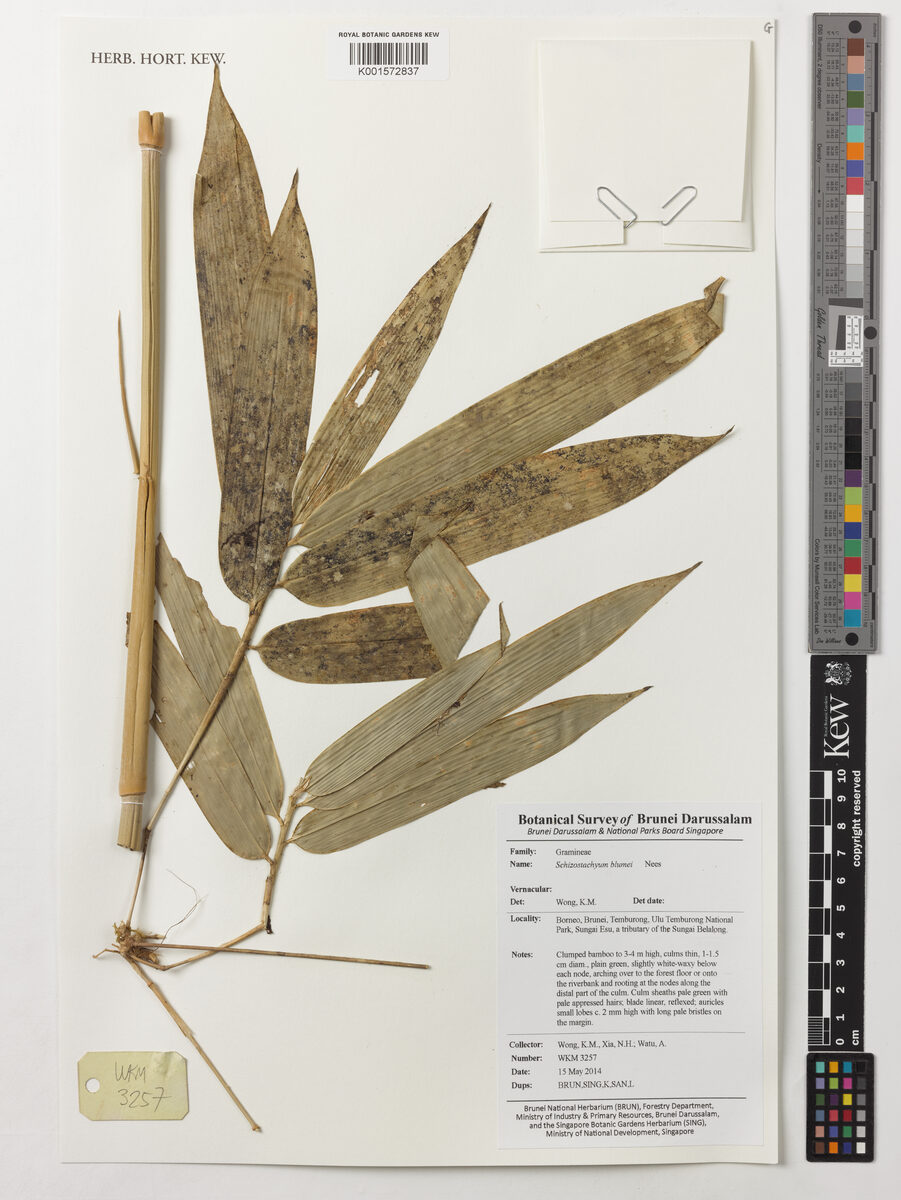
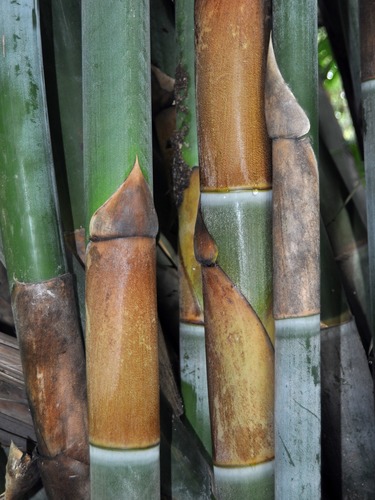
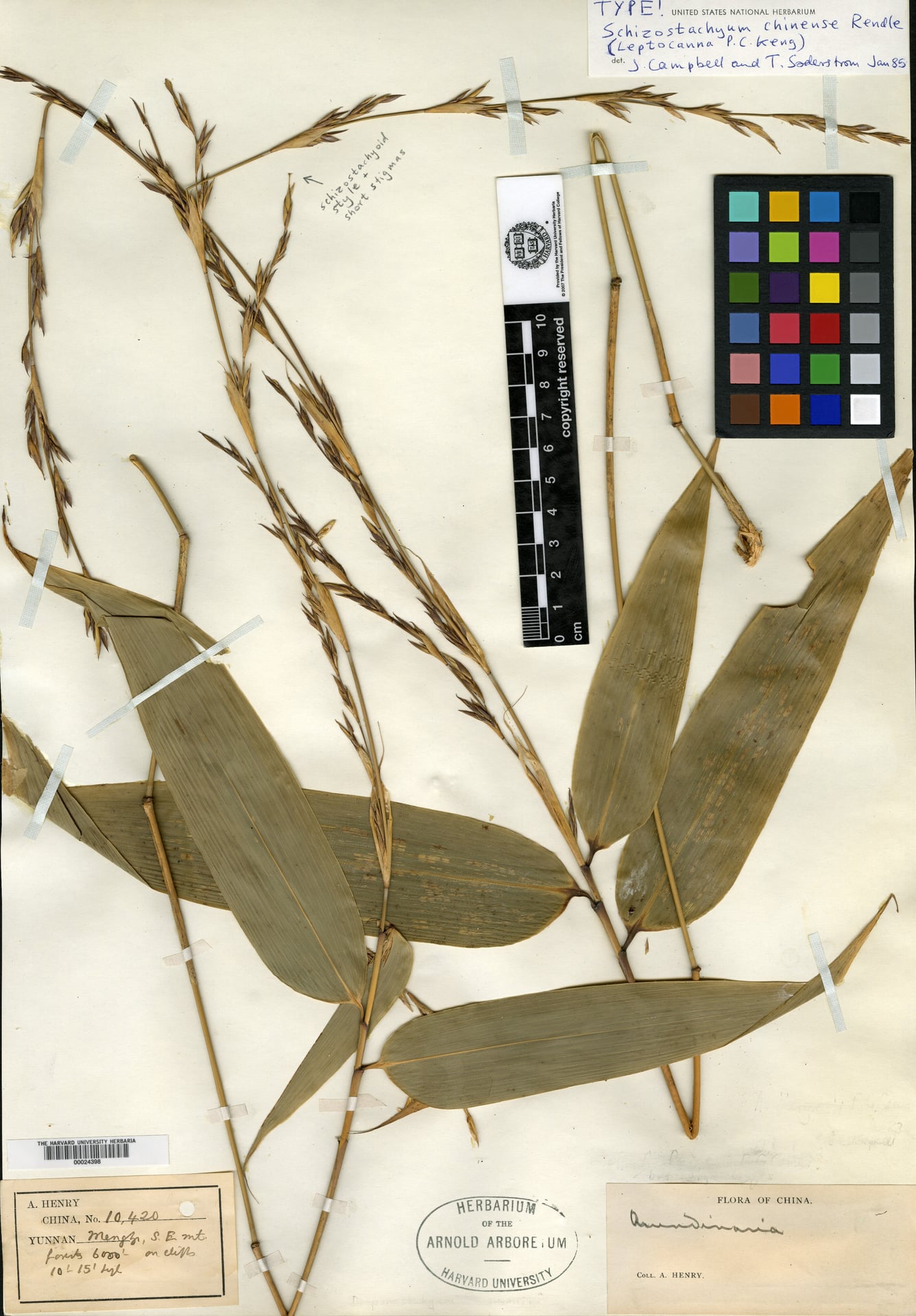
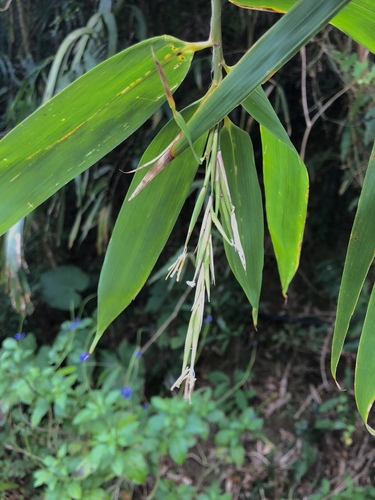
Heteropogon triticeus
(R. Br.) Stapf ex Craib
Bush Sugarcane, Wheat Spear Grass, Giant spear grass
iNaturalist· cc-by
(c) Kym Nicolson, some rights reserved (CC BY), uploaded by Kym Nicolson
iNaturalist· cc-by-nc
(c) Alan Bedggood, some rights reserved (CC BY-NC)
Summary
Source: WikipediaHeteropogon triticeus is a tropical, perennial tussock grass with a native distribution encompassing Tropical and Temperate Asia, Malesia and Northern and Eastern Australia. The plant grows to over 2 metres (6.6 ft) in height and is favoured in most environments by frequent burning. The plants develop characteristic dark seeds with a single long awn at one end and a sharp spike at the other. The awn becomes twisted when dry and straightens when moistened, and in combination with the spike is capable of drilling the seed into the soil. The species is known as giant spear grass, and is closely related to the more common black spear grass, with which it is commonly associated in Northern Australia. It is sometimes sucked by Indigenous Australian communities in the Northern Territory for its sweet liquid.
Description
A large grass. It keeps growing from year to year. It grows 2-3 m high. It forms loose tussocks. The stems are 2-3 m tall. The leaves are 5-12 cm long by 0.3-0.4 cm wide. The flower spikes are 5-15 cm long. The male spikelets are 1-2 cm long and the female spikelets are 0.6-0.8 cm long.
Edible Uses
The stems are broken into pieces and chewed for their sweet juice.
Traditional Uses
The stems are broken into pieces and chewed for the sweet juice.
This uses section is brief — help expand it
Distribution
It is a tropical plant. It grows naturally in open forest and woodlands. It requires sun and well drained soil.
Where It Grows
Asia, Australia, China, East Timor, India, Indochina, Indonesia, Laos, Malaysia, Myanmar, Philippines, SE Asia, Sri Lanka, Thailand, Timor-Leste, Vietnam,
Cultivation
Plants can be grown from seed or by division of the clump.
Notes
There are about 12 Heteropogon species.
Nutrition
| Part | Moisture | kJ | kcal | Protein | Vit A | Vit C | Iron | Zinc |
|---|---|---|---|---|---|---|---|---|
| Leaves | 90 | 57 | 14 | 0.5 | — | — | 0.1 | 0.7 |
Also Known As
Indaing-myauk-ni, Pitarika, Spear grass
References (11)
- Bull. Misc. Inform. Kew 432. 1912
- Cowie, I, 2006, A Survey of Flora and vegetation of the proposed Jaco-Tutuala-Lore National Park. Timor-Lests (East Timor) www.territorystories.nt/gov.au p 52
- Elliot, W.R., & Jones, D.L., 1990, Encyclopedia of Australian Plants suitable for cultivation. Vol 5. Lothian. p 322
- Hiddins, L., 1999, Explore Wild Australia with the Bush Tucker Man. Penguin Books/ABC Books. p 142
- Jackes, B. R., 2010, Plants of Magnetic Island. 3rd Edition. James Cook University, Australia. p 36
Show all 11 references Hide references
- Lazarides, M. & Hince, B., 1993, Handbook of Economic Plants of Australia, CSIRO. p 131
- Morley, B.D., & Toelken, H.R., (Eds), 1983, Flowering Plants in Australia. Rigby. p 392
- Tiwi Plants and Animals. 2001, Aboriginal flora and fauna knowledge from Bathurst and Melville Islands, northern Australia. Northern Territory Botanical Bulletin; No. 24 p 57
- Wightman, G. & Andrews, M., 1991, Bush Tucker Identikit. Common Native Food Plants of Australia’s top end. Conservation Commission Northern Territory. p 58
- Wightman, G. & Brown, J., 1994, Jawoyn Plant Identikit, Common Useful Plants in the Katherine Area of Northern Australia. Conservation Commission Northern Territory. p 58
- Yunupinu Banjgul, Laklak Yunupinu-Marika, et al. 1995, Rirratjinu Ethnobotany: Aboriginal Plant Use from Yirrkala, Arnhem Land, Australia. Northern Territory Botanical Bulletin No 21. Parks and Wildlife Commission of the Northern Territory. p 47