Arundinaria gigantea
(Walter.) Muhl.
Cane reed, Giant cane, Large cane, Southern cane
iNaturalist· cc-by-nc-sa
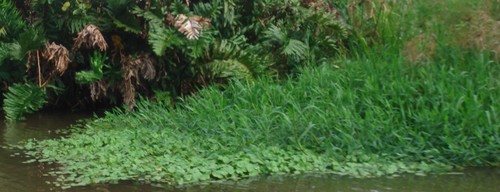
(c) Jerry Oldenettel, some rights reserved (CC BY-NC-SA)
iNaturalist· cc-by-nc-sa
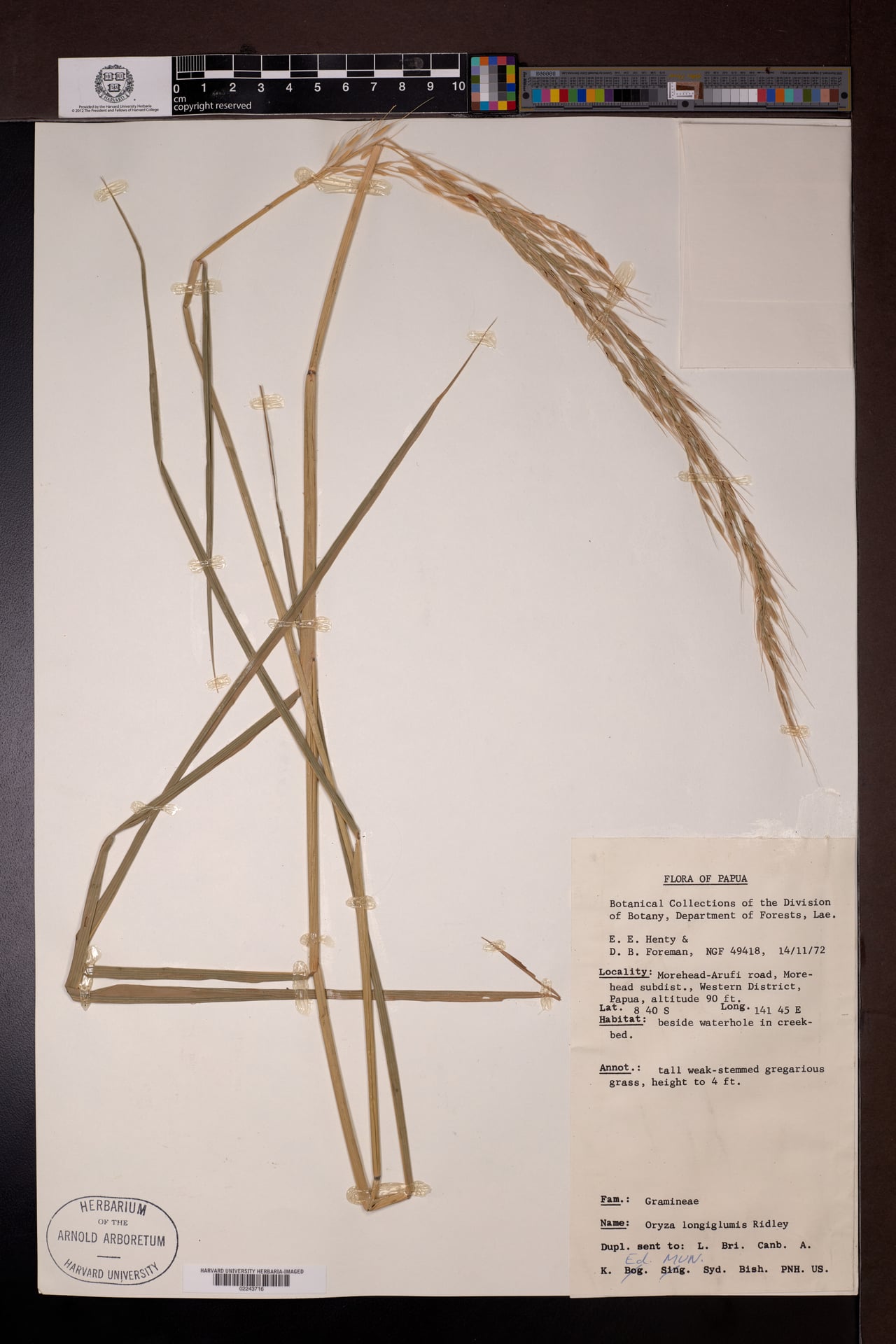
(c) Mary Keim, some rights reserved (CC BY-NC-SA)
iNaturalist· cc-by-nc
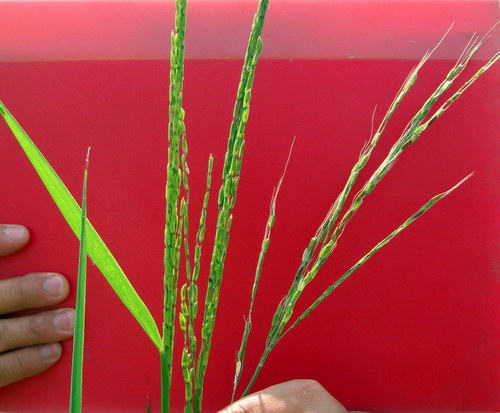
(c) jpc.raleigh, some rights reserved (CC BY-NC)
Summary
Source: WikipediaArundinaria gigantea is a species of bamboo known as giant cane (not to be confused with Arundo donax), river cane, and giant river cane. It is endemic to the south-central and southeastern United States as far west as Oklahoma and Texas and as far north as New York. Giant river cane was economically and culturally important to indigenous people, with uses including as a vegetable and materials for construction and craft production. Arundinaria gigantea and other species of Arundinaria once grew in large colonies called canebrakes covering thousands of acres in the southeastern United States, but today these canebrakes are considered endangered ecosystems.
Description
A bamboo. A tall grass. It grows 5-8 m high. It branches at the top and has large numbers of seeds.
This description is brief — help expand it
Edible Uses
Edible Parts: Seed Shoots Stem Edible Uses: Young shoots - cooked. Used as a pot-herb. Seed - cooked. It can be used as a wheat substitute, for which it is not much inferior, but it is rather small and difficult to collect in quantity. The plants only flower at irregular intervals of several years.
Traditional Uses
The succulent young shoots are cooked and eaten. The seeds are eaten like wheat. They can also be ground into flour.
This uses section is brief — help expand it
Medicinal Uses
Cathartic The root is cathartic. A decoction has been used to stimulate the kidneys and 'renew strength'.
Distribution
It is a temperate plant. It grows in river marshes and swamps.
Where It Grows
Australia, Britain, Europe, North America, USA,
Propagation
Seed - surface sow as soon as it is ripe in a greenhouse at about 20°c. Do not allow the compost to dry out. Germination usually takes place fairly quickly so long as the seed is of good quality, though it can take 3 - 6 months. When large enough to handle, prick the seedlings out into individual pots and grow them on in a lightly shaded place in the greenhouse until large enough to plant out. Bamboos only flower at intervals of several years and so seed is rarely available. Division in late spring as new growth commences. Take divisions with at least three canes in the clump, trying to cause as little root disturbance to the main plant as possible. Grow them on in light shade in a greenhouse in pots of a high fertility sandy medium. Mist the foliage regularly until plants are established. Plant them out into their permanent positions when a good root system has developed, which can take a year or more. Rhizome cuttings. Basal cane cuttings.
Other Uses
Basketry Fodder Hedge Musical Soil stabilization Weaving Agroforestry Uses: With its extensive running root system, the plant is ideal for helping to control soil erosion, especially along the sides of rivers. The extensive growth of the plant provides streambank stabilization, sediment retention, and bioaccumulation of nutrients and toxins.So long as it can be restrained, the plant makes an excellent, dense hedge or screen. The canes are used as pipe-stems, are woven into baskets and mats plus a variety of other purposes. The hollow stems can be made into flutes. Carbon Farming Solutions - Industrial Crop: biomass (Crops grown for non-food uses. Industrial crops provide resources in three main categories: materials, chemicals, and energy. Traditional materials include lumber and thatch, paper and cardboard, and textiles) [1-1]. Fodder: bank. Special Uses Carbon Farming Food Forest Hedge
Notes
There are about 50 Arundinaria species.