Aster hispidus
(Thunb.) Lessine
iNaturalist· cc-by-nc
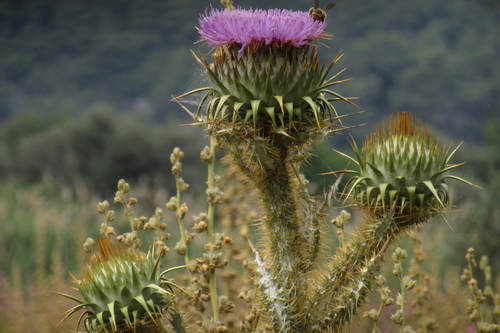
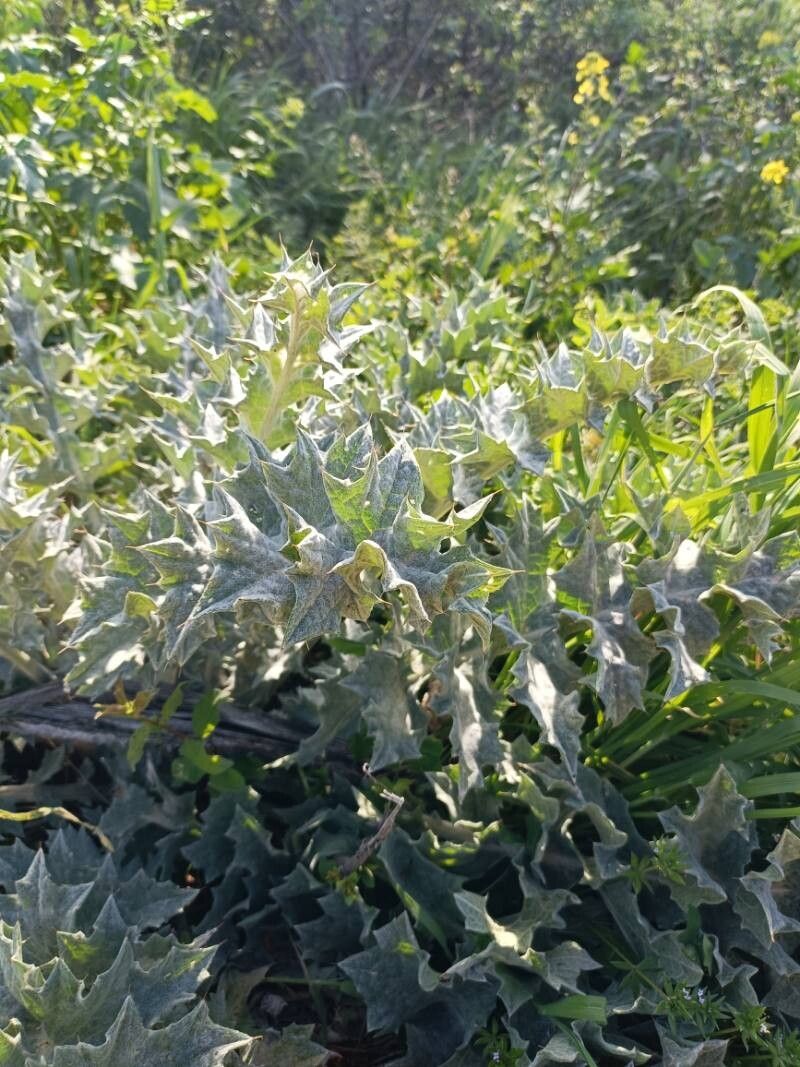
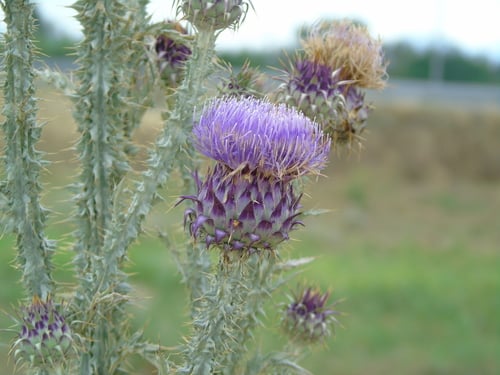
(c) Irina Mitjushina, some rights reserved (CC BY-NC), uploaded by Irina Mitjushina
iNaturalist· cc-by-nc
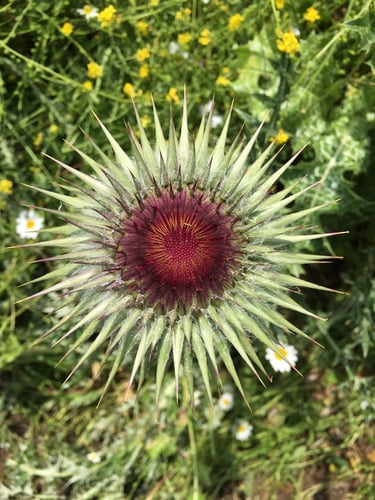
(c) sergeyprokopenko, some rights reserved (CC BY-NC), uploaded by sergeyprokopenko
iNaturalist· cc-by-nc
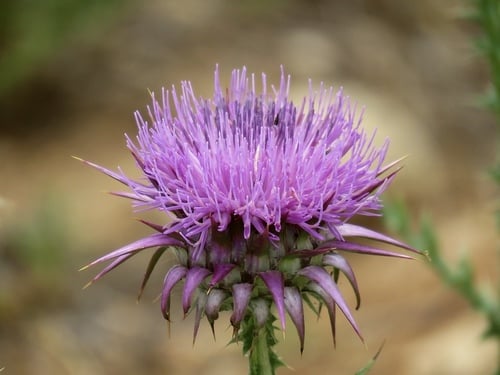
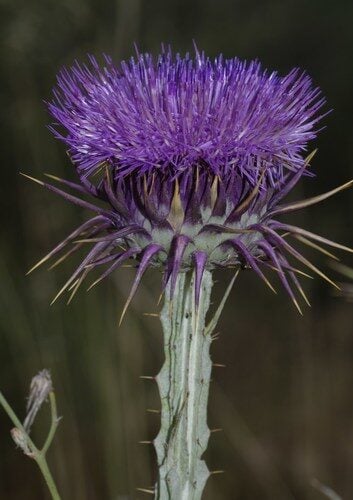
(c) Norbert Sauberer, some rights reserved (CC BY-NC), uploaded by Norbert Sauberer
Description
A herb. It can grow for one or two years. The stems are erect. It grows 40-80 cm high. The higher plant parts are softly hairy. The branches curve upwards. The leaves near the base are narrow and 4-13 cm long by 5-15 mm wide. The leaves on the stem are narrow and pale green. They are 15-34 mm long by 2-3 mm wide. There are many flower heads. These are 3-4 cm across. The flowers can be white and blue or violet.
Edible Uses
The leaves are eaten with oil and salt.
Traditional Uses
The leaves are eaten with oil and salt.
This uses section is brief — help expand it
Medicinal Uses
The plant has had various uses among Native American peoples. The Houma people have used it medicinally to treat jaundice. The Goshute have used the seeds for food. The Navajo have used it as incense. It is cultivated in landscaping and gardens, such as butterfly gardens.
Distribution
It is a temperate plant. It occurs on limestone slopes in Taiwan. In Sichuan.
Where It Grows
Asia, China, Japan, Korea, Manchuria, Mongolia, Russia, Siberia, Taiwan,
Synonyms
References (8)
- Famine foods (As Heteropappus hispidus)
- Flora of Taiwan Vol. 4:852
- Hwang, H., et al, 2013, A Study on the Flora of 15 Islands in the Western Sea of Jeollanamdo Province, Korea. Journal of Asia-Pacific Biodiversity Vol. 6, No. 2 281-310
- Hwang, HS, et al, 2014, Distribution characteristics of plant in the Ungseokbong Mountain, Gyeongsangnam-do, Korea. Journal of Asia-Pacific Biodiversity. 7(2014) e164-e178
- Plants for a Future database, The Field, Penpol, Lostwithiel, Cornwall, PL22 0NG, UK. http://www.scs.leeds.ac.uk/pfaf/ (As Heteropappus hispidus)
Show all 8 references Hide references
- READ (As Heteropappus hispidus)
- Syn. gen. Compos. 189. 1832 (As Heteropappus hispidus)
- Urgamal, M., Oyuntsetseg, B., Nyambayar, D. & Dulamsuren, Ch. 2014. Conspectus of the vascular plants of Mongolia. (Editors: Sanchir, Ch. & Jamsran, Ts.). Ulaanbaatar, Mongolia. “Admon“ Press. 334pp. (p. 199-230).