Onopordum illyricum
L.
Delikenker, Onopordo orrido
iNaturalist· cc-by-nc
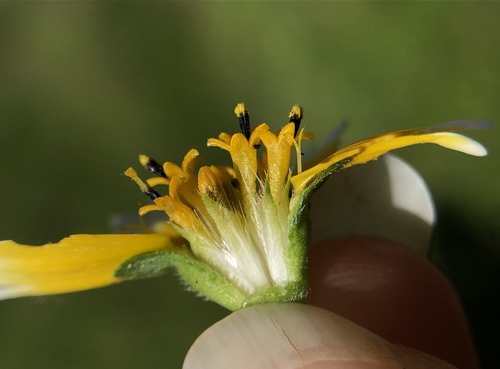
(c) Papageorgiou Nikolaos, some rights reserved (CC BY-NC), uploaded by Papageorgiou Nikolaos
iNaturalist· cc-by-nc
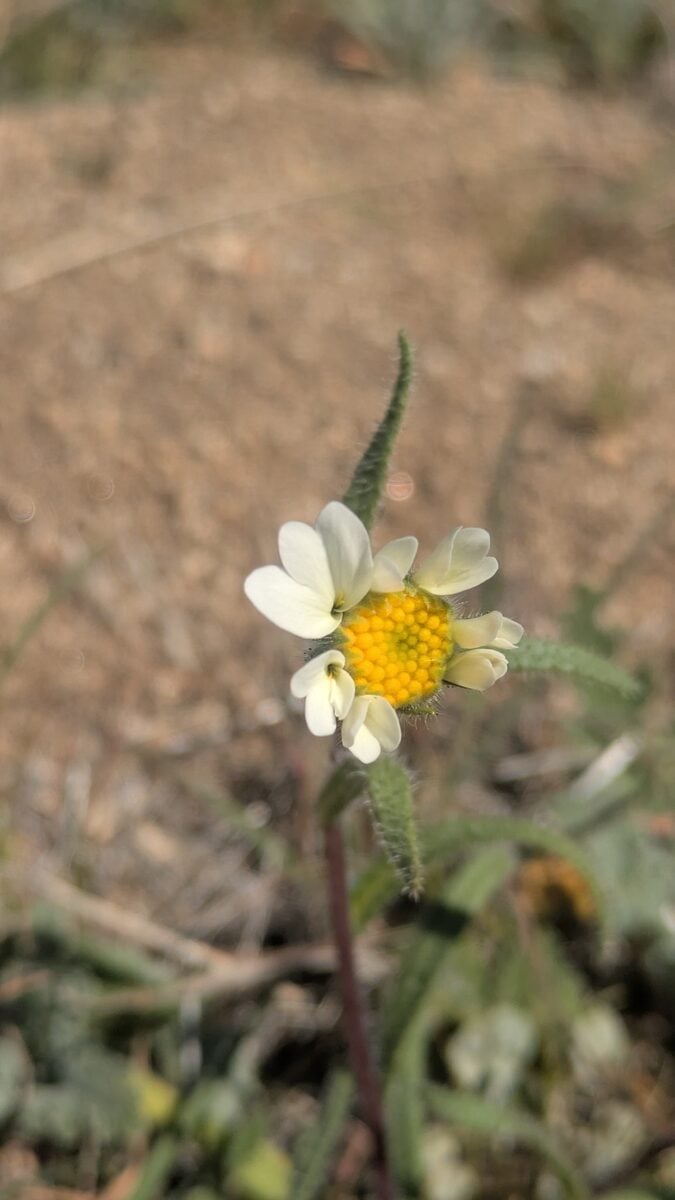
(c) lamprisdimitris, some rights reserved (CC BY-NC)
Summary
Source: WikipediaOnopordum illyricum is a species of thistle known by the common name Illyrian thistle, or Illyrian cottonthistle. It is native to southwestern Europe, but has been introduced into Australia and California, where it has become a noxious weed. The plant is a biennial herb producing an erect, branching, winged, spiny stem known to exceed two meters in maximum height. The spiny leaves may be up to 50 centimetres (20 in) long and are divided into deep toothed lobes. The inflorescence bears several large flower heads each up to 7 centimetres (3 in) wide. They are lined with spiny, woolly to cobwebby phyllaries and bear many narrow glandular purple flowers each about 3 centimetres (1.2 in) long. The fruit is a cylindrical achene 4 or 5 millimetres (0.16 or 0.20 in) long topped with a white pappus 1 centimetre (0.39 in) in length.
Description
A biennial growing to 1.3 m tall, hardy to UK zone 7. Flowers appear July to September with seed ripening August to October. The hermaphroditic, self-fertile plant is bee-pollinated and attracts wildlife. It accommodates sandy, loamy, and clay soils with well-draining preference, grows across mildly acid to basic pH ranges, tolerates semi-shade to full sun, and prefers moist soil.
Edible Uses
The flower buds are edible when cooked and can be used as a substitute for globe artichoke (Cynara scolymus), though they are even more fiddly to prepare than that plant.
Traditional Uses
The seeds have been ground and used as coffee. The flower buds are cooked and eaten like a globe artichoke. The leaves are used for sarma in Turkey. They are rolled around a filling of rice or minced meat. The inner part of the roots is eaten raw.
Medicinal Uses
None known
Distribution
It is a Mediterranean plant.
Where It Grows
Europe, Italy, Mediterranean, Sicily, Turkey, Türkiye,
Cultivation
Succeeds in almost any ordinary garden soil. Requires a well-drained soil in full sun. Prefers a slightly alkaline soil. Plants are hardy to about -15°c. Often self-sows, sometimes to the point of nuisance, though the seedlings can easily be hoed out and can also be transplanted if they are moved whilst still small. The flowers are very attractive to bees.
Propagation
Sow seed in spring in situ, or alternatively in autumn in situ. If seed is in short supply, sow in a pot in the greenhouse in spring, prick out into individual pots as soon as seedlings are large enough to handle, and plant out into permanent positions in early summer.
Other Uses
None known
Also Known As
Anapordo, Napordo
References (12)
- Biscotti, N. et al, 2018, The traditional food use of wild vegetables in Apulia (Italy) in the light of Italian ethnobotanical literature. Italian Botanist 5:1-24
- Dogan, Y., et al, 2015, Of the importance of a leaf: the ethnobotany of sarma in Turkey and the Balkans. Journal of Ethnobiology and Ethnomedicine, 11:56
- Ertug, F., 2004, Wild Edible Plants of the Bodrum Area. (Mugla, Turkey). Turk. J. Bot. 28 (2004): 161-174
- Ertug, F, Yenen Bitkiler. Resimli Türkiye Florası -I- Flora of Turkey - Ethnobotany supplement
- Geraci, A., et al, 2018, The wild taxa utilized as vegetables in Sicily (Italy): a traditional component of the Mediterranean diet. Journal of Ethnobiology and Ethnomedicine (2018) 14:14
Show all 12 references Hide references
- Kargioglu, M. et al, 2010, Traditional Uses of Wild Plants in the Middle Aegean Region. Human Ecology 38:429-450
- Lentini, F. and Venza, F., 2007, Wild food plants of popular use in Sicily. J Ethnobiol Ethnomedicine. 3: 15
- Licata, M., et al, 2016, A survey of wild plant species for food use in Sicily (Italy) – results of a 3-year study in four Regional Parks. Journal of Ethnobiology and Ethnomedicine 12:12
- Lim, T. K., Edible Medicinal and Non-Medicinal Plants Volume 7 Flowers
- Nebel, S., Pieroni, A. & Heinrich, M., 2006, Ta cho`rta: Wild edible greens used in the Graecanic area in Calabria, Southern Italy. Appetite 47 (2006) 333–342
- Pasta, S., et al, 2020, An Updated Checklist of the Sicilian Native Edible Plants: Preserving the Traditional Ecological Knowledge of Century-Old Agro-Pastoral Landscapes. Frontiers in Plant Science. Volume 11|Article 388
- Pieroni A, Nebel S, Santoro RF, Heinrich M., 2005, Food for two seasons: culinary uses of non-cultivated local vegetables and mushrooms in a south Italian village. Int J Food Sci Nutr. 56(4):245-72