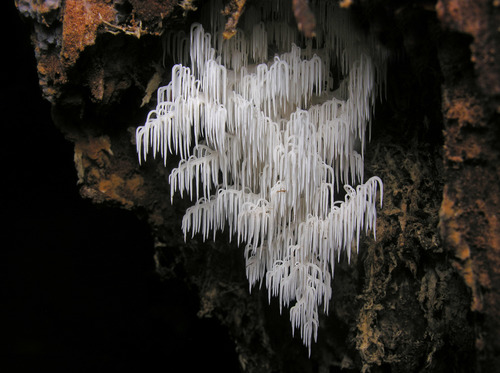
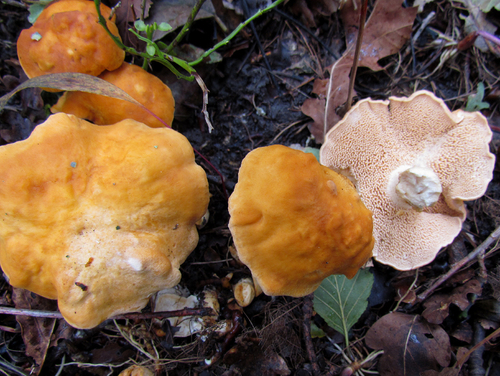
Hericium coralloides
(Scop. ex Fr.) Gray
Bear’s head, Monkey's head mushroom, Fungus icicles
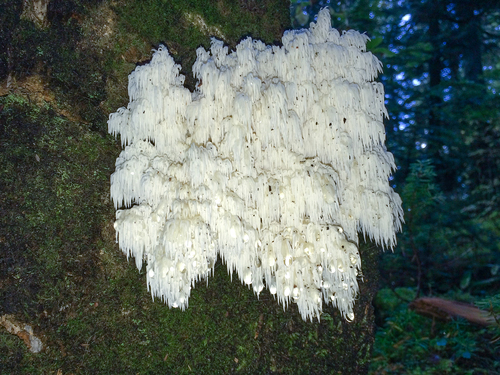
iNaturalist· cc-by-nc
(c) raquel crites, some rights reserved (CC BY-NC), uploaded by raquel crites
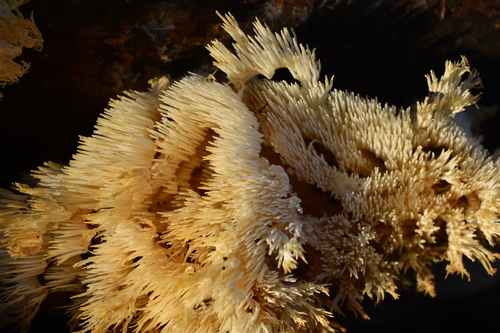
iNaturalist· cc-by-nc
(c) Stacie Wolny, some rights reserved (CC BY-NC), uploaded by Stacie Wolny
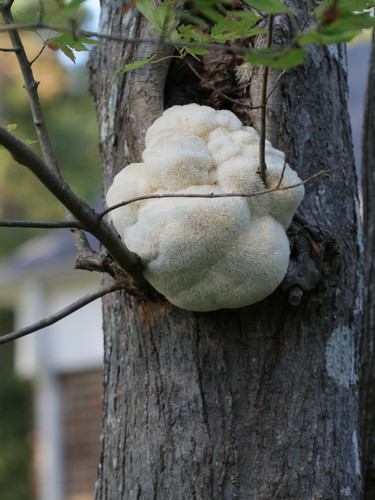
iNaturalist· cc-by-nc-sa
(c) Reiner Richter, some rights reserved (CC BY-NC-SA), uploaded by Reiner Richter
Summary
Source: WikipediaHericium coralloides is a saprotrophic fungus, commonly known as coral tooth fungus or comb coral mushroom.
Description
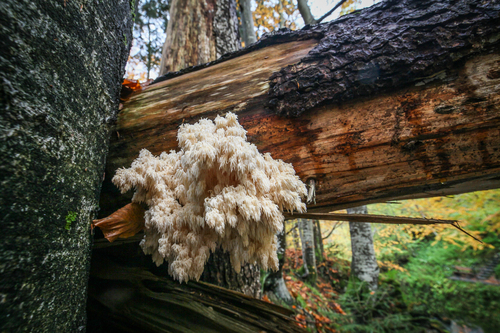
A mushroom. The fruiting bodies are large and pure white. They have many fine branches.
This description is brief — help expand it
Edible Uses
The species is edible and good when young, but as it ages the branches and hanging spines become brittle and turn a light shade of yellowish brown.
Traditional Uses
The fruiting bodies are eaten. They need to be boiled in water for a few minutes then well drained before cooking. They should be slowly sauteed in butter and served with vegetables. They can be chopped and added to sauces and gravies.
Distribution
It is a temperate plant. It grows on tree trunks.
Where It Grows
Asia, Australia, China, Europe, Himalayas, Hungary, India, Italy, Mediterranean, Mexico, Nepal, New Zealand, North America, Sicily, Turkey, Türkiye, USA,
Other Information
It is a popular mushroom.
Also Known As
Coral tooth mushroom, Yuran
References (14)
- Alexopoulos, C.J., 1962, Introductory Mycology. Wiley Toppan. p 501
- Ambasta, S.P. (Ed.), 2000, The Useful Plants of India. CSIR India. p 277 (As Hydnum coralloides)
- Boa, E. R., 2004, Wild edible fungi and their importance to people. FAO Non Wood Forest Products Booklet 17
- Facciola, S., 1998, Cornucopia 2: a Source Book of Edible Plants. Kampong Publications, p 252
- Fuhrer, B., 2005, A field guide to Australian Fungi. Bloomings Books. p 241
Show all 14 references Hide references
- Hall, I. R., et al, 2003, Edible and Poisonous Mushrooms of the World. Timber Press. p 316
- Kaye, G.C., 1986, Wild and Exotic Mushroom Cultivation in North America
- Lentini, F. and Venza, F., 2007, Wild food plants of popular use in Sicily. J Ethnobiol Ethnomedicine. 3: 15
- Moerman, D. F., 2010, Native American Ethnobotany. Timber Press. p 263
- Ostry, M. E., et al, 2010, Field Guide to Common Macrofungi in Eastern Forests and Their Ecosystem Functions. USDA Forest Service General Technical Report NRS-79 p 26
- Pace, G., 1998, Mushrooms of the world. Firefly books. p 214
- Uphof,
- Vetner, J., 2004, Arsenic content of some edible mushroom species. Eur. Food Res. Technol. 219: 71-74
- Vetner, J., 2005, Lithium content of some common edible wild-growing mushrooms. Food Chemistry 90:31-37