Hemizonia luzulifolia
DC.
Hayfield tarweed
iNaturalist· cc-by-nc
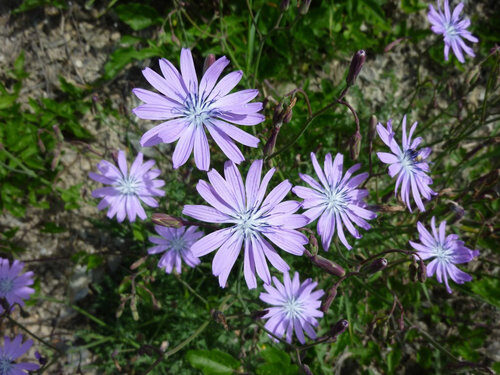
(c) Sue Lindner, some rights reserved (CC BY-NC)
iNaturalist· cc-by-nc
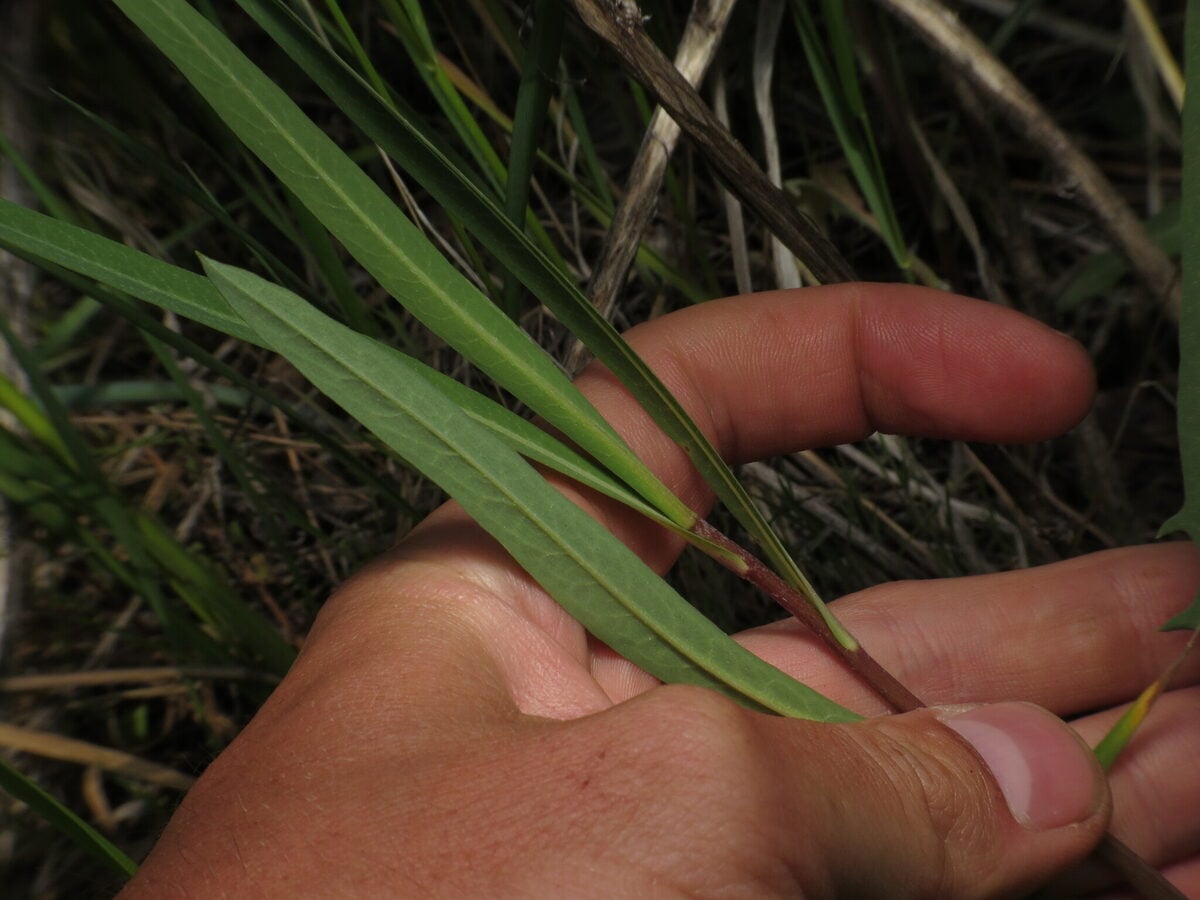
(c) Sue Lindner, some rights reserved (CC BY-NC)
iNaturalist· cc-by-nc
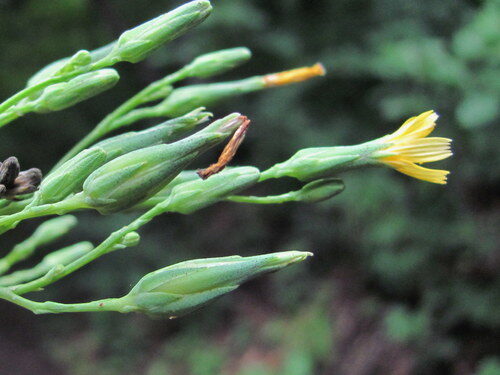
(c) Sue Lindner, some rights reserved (CC BY-NC)
Summary
Source: WikipediaA low-growing plant reaching 0.4 m (1ft 6in). Hermaphroditic. Tolerates light sandy, medium loamy, and heavy clay soils across mildly acid to basic pH. Can grow in semi-shade or full sun and prefers moist soil.
Description
A low-growing plant reaching 0.4 m (1ft 6in). Hermaphroditic. Tolerates light sandy, medium loamy, and heavy clay soils across mildly acid to basic pH. Can grow in semi-shade or full sun and prefers moist soil.
Edible Uses
The seed can be eaten raw or cooked. It has a slightly bitter flavour but tastes good once roasted, and is traditionally used as a piñole.
Traditional Uses
The seeds are cooked with cornmeal and other herbs.
This uses section is brief — help expand it
Medicinal Uses
None known.
Distribution
It is a temperate plant.
Where It Grows
North America, USA,
Cultivation
257260
Propagation
Seed.
Other Uses
The whole plant yields both a yellow and a green dye.
References (3)
- Beckstrom-Sternberg, Stephen M., and James A. Duke. "The Foodplant Database." http://probe.nalusda.gov:8300/cgi-bin/browse/foodplantdb.(ACEDB version 4.0 - data version July 1994)
- Moerman, D. F., 2010, Native American Ethnobotany. Timber Press. p 260
- Prodr. 5:692. 1836 "luzulaefolia"