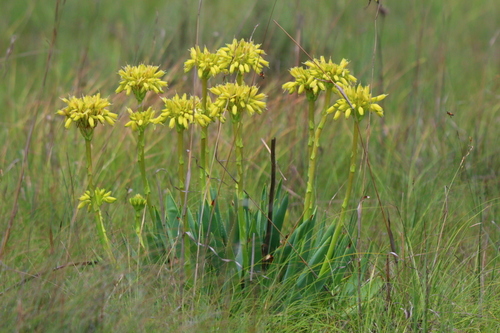
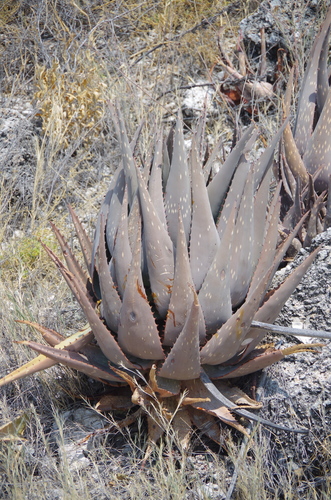
Hemerocallis fulva var. angustifolia
Baker
No-Kanzo
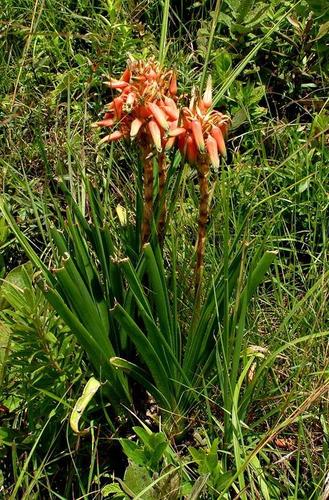
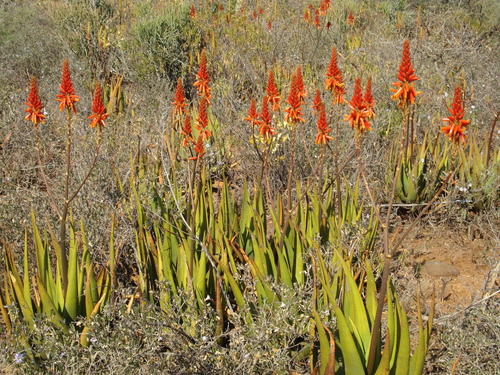
iNaturalist· cc-by-nc
(c) tails, some rights reserved (CC BY-NC)
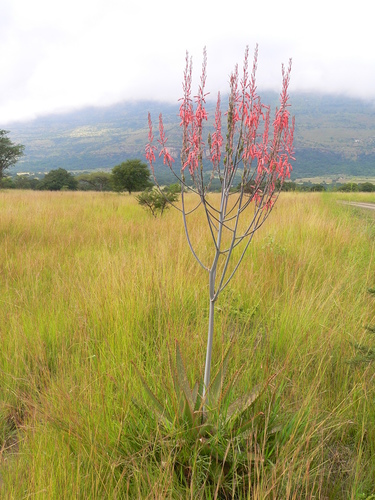
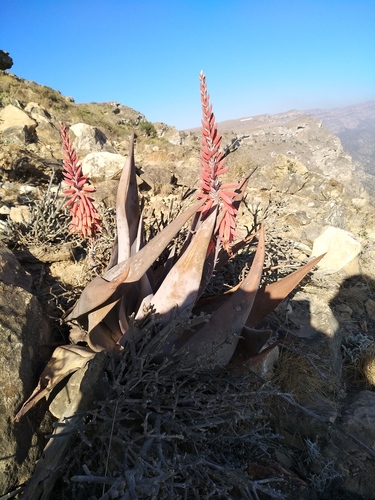
iNaturalist· cc-by-nc
(c) Susan Elliott, some rights reserved (CC BY-NC), uploaded by Susan Elliott
Summary
Source: WikipediaHemerocallis fulva, the orange day-lily, tawny daylily, corn lily, tiger daylily, fulvous daylily, ditch lily or Fourth of July lily (also railroad daylily, roadside daylily, outhouse lily, track lily, and wash-house lily), is a species of daylily native to Asia. It is very widely grown as an ornamental plant in temperate climates for its showy flowers and ease of cultivation. It is not a true lily in the genus Lilium, but gets its common name from the superficial similarity of its flowers to Lilium and from the fact that each flower lasts only one day.
Description
The plant dies down in winter.
This description is brief — help expand it
Edible Uses
The flowers, leaves, and tubers of H. fulva are edible. The leaves and shoots can be eaten raw or cooked when very young, lest they become too fibrous. The flower petals and young tubers can also be eaten raw in salads, stir-fried, or otherwise cooked. The petals seem to taste better when cooked, but can also be fried for storing, or dried and used as a thickener in soups or sauces. The cooked flower buds, served with butter, taste like green beans or wax beans. The tubers are a good potato substitute, with a reportedly "nutty" flavor.
Distribution
It is a temperate plant.
Where It Grows
Asia, China, Japan, Korea,
Notes
There are about 15 Hemerocallis species. Also put in the family Hemerocallidaceae.
Synonyms
References (2)
- Gartenflora 34:98. 1885 (As Hemerocallis fulva var. longituba)
- Plants for a Future database, The Field, Penpol, Lostwithiel, Cornwall, PL22 0NG, UK. http://www.scs.leeds.ac.uk/pfaf/ (As Hemerocallis fulva var. longituba)