Helwingia chinensis
Batalin
iNaturalist· cc-by-nc
(c) 江国彬, some rights reserved (CC BY-NC), uploaded by 江国彬
iNaturalist· cc-by-nc
(c) wdh1, some rights reserved (CC BY-NC), uploaded by wdh1
iNaturalist· cc-by-nc
(c) 江国彬, some rights reserved (CC BY-NC), uploaded by 江国彬
Summary
Source: WikipediaHelwingia chinensis is a plant species first described by Alexander Theodorowicz Batalin. Helwingia chinensis is part of the genus Helwingia and the family Helwingiaceae. It was collected and brought to the United States by Daniel J. Hinkley as part of his expedition to China's Sichuan Province in 1996.
Description
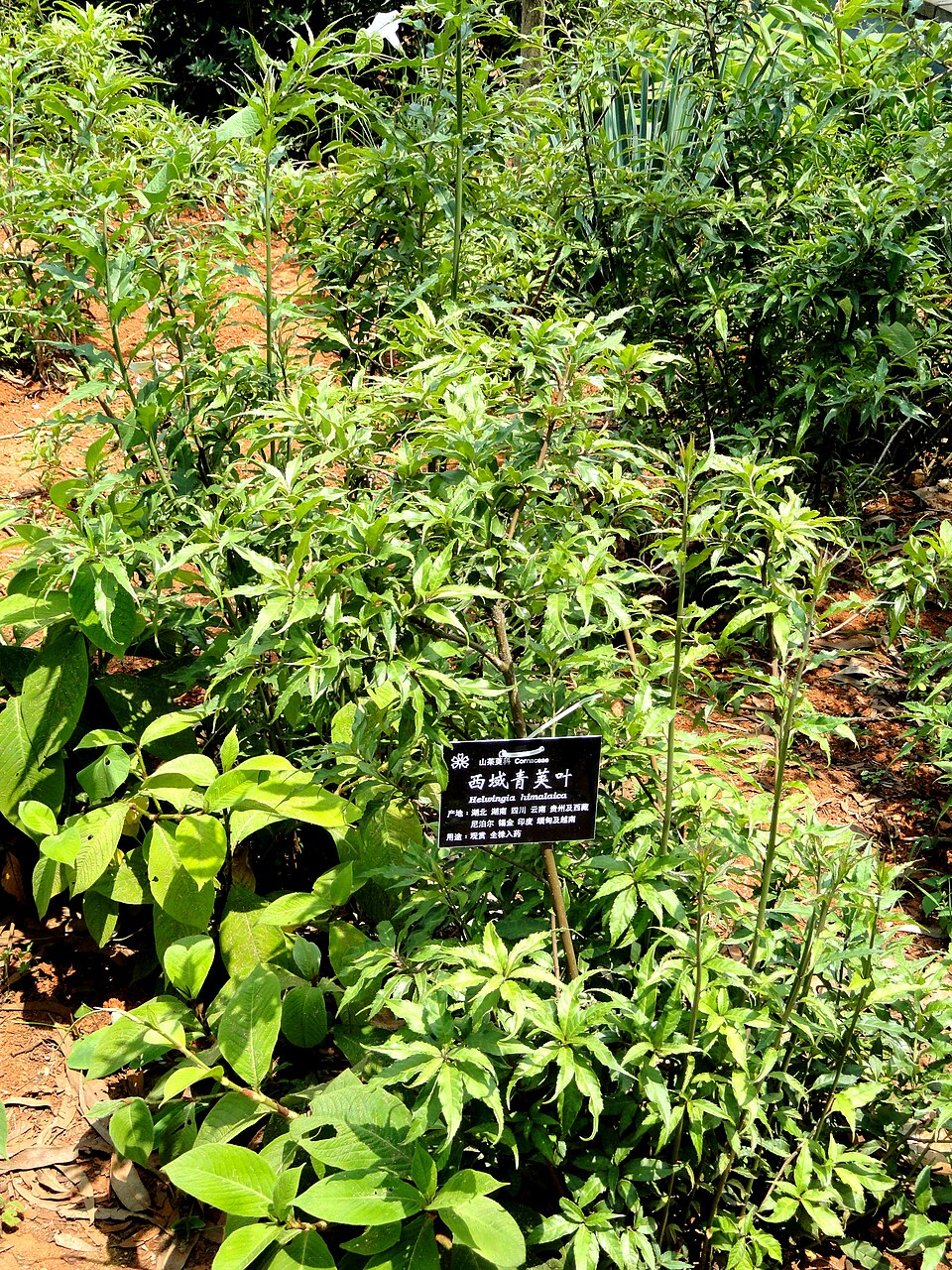
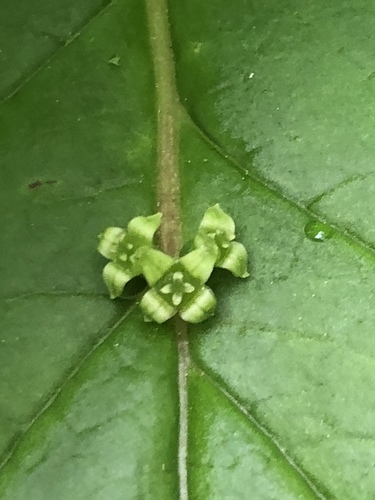
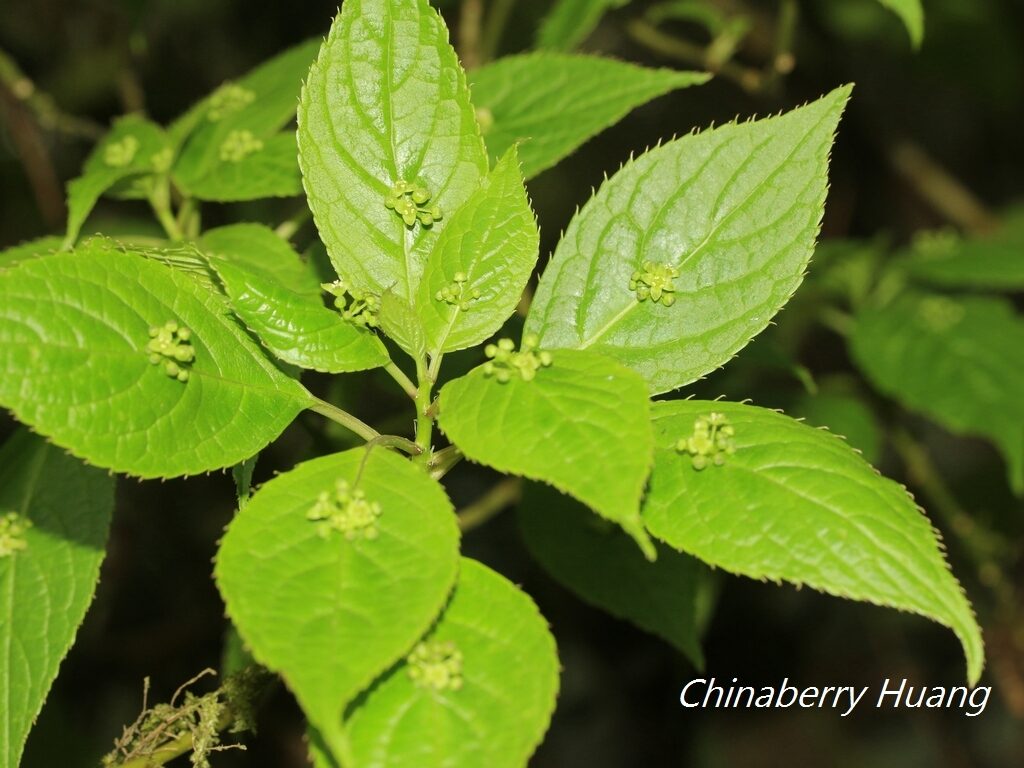
A shrub which can lose its leaves. It grows about 3 m tall. The leaves are large and rich green. Male and female flowers are on separate plants. The leaves are alternate and have teeth. The flowers appear on the leaves. The fruit is fleshy.
Edible Uses
The flowers and leaves of this plant may be edible, though this has not been confirmed.
Traditional Uses
The young leaves are fried.
This uses section is brief — help expand it
Medicinal Uses
A decoction of the leaves and bark is taken internally for treating skin inflammations.
Distribution
It is a temperate plant. It can grow in shade. In China it grows between 1,300-2,300 m above sea level. In Sichuan and Yunnan.
Where It Grows
Asia, Australia, China*, Indochina, Myanmar, North America, SE Asia, Thailand, Tibet, USA,
Cultivation
Succeeds in ordinary garden soil. Requires a sheltered position beneath a good tree canopy cover. Plants are not very hardy outdoors in Britain, only thriving in milder areas of the country where winter temperatures do not fall below about -7°c. The flowers are produced on the midribs of the leaves. Dioecious, male and female plants must be grown if seed is required.
Propagation
No specific propagation information is available for this species. It is suggested to sow seed in a greenhouse in late winter. Prick seedlings into individual pots once large enough and grow on in the greenhouse through at least their first winter, then plant out in late spring or early summer after the last expected frosts. Half-ripe wood cuttings can be taken in July/August in a frame.
Other Uses
No other uses are known for this plant.
Notes
There are 3-5 Helwingia species.
Synonyms
Also Known As
Ninahagubii
References (5)
- Geng, Y., et al, 2016, Traditional knowledge and its transmission of wild edibles used by the Naxi in Baidi Village, northwest Yunnan province. Journal of Ethnobiology and Ethnomedicine. 12:10
- Heywood, V.H., Brummitt, R.K., Culham, A., and Seberg, O. 2007, Flowering Plant Families of the World. Royal Botanical Gardens, Kew. p 165
- Plants for a Future database, The Field, Penpol, Lostwithiel, Cornwall, PL22 0NG, UK. http://www.pfaf.org
- Ryan, S., 2008, Dicksonia. Rare Plants Manual. Hyland House. p 30
- Trudy Imp. S.-Peterburgsk. Bot. Sada 13:97. 1893