Hedysarum boreale
Nutt.
Northern sweet vetch, Licorice root, Sweet root
iNaturalist· cc-by-nc
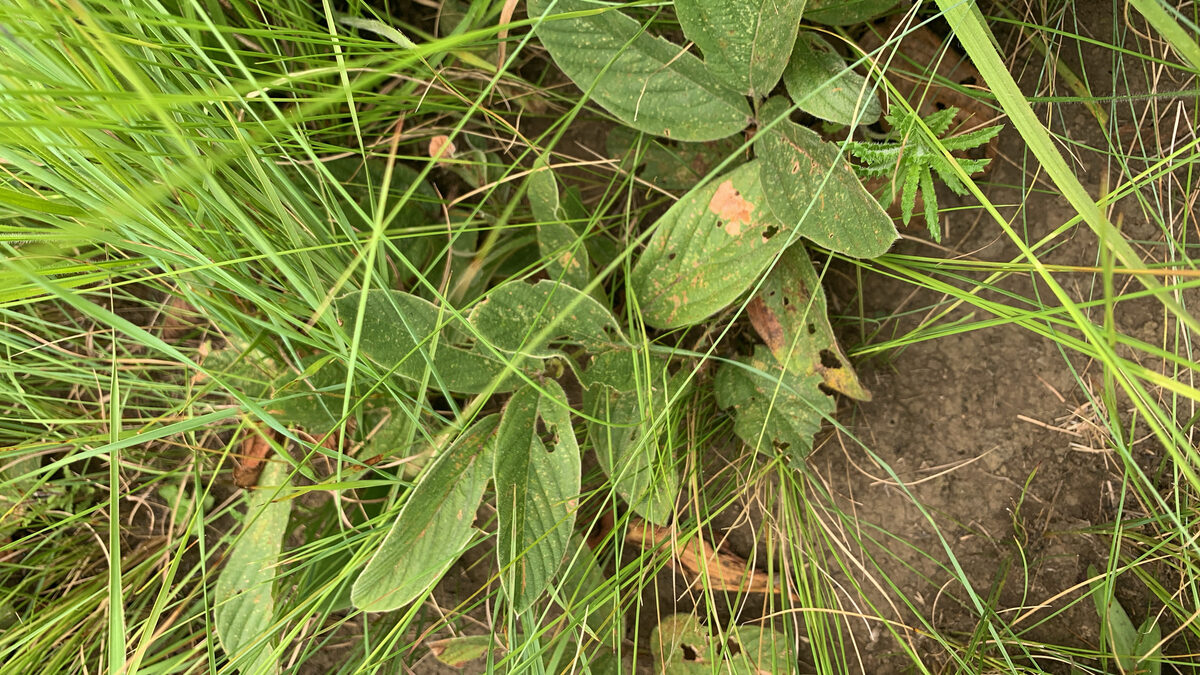
(c) William (Go Expanse), some rights reserved (CC BY-NC), uploaded by William (Go Expanse)
iNaturalist· cc-by-nc
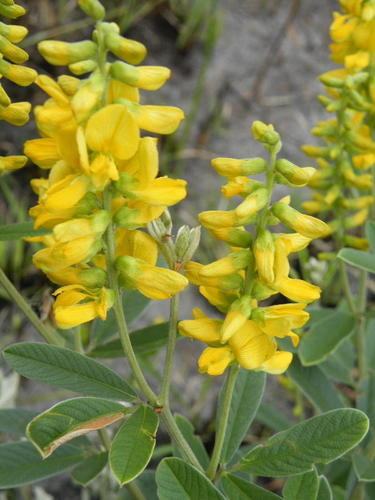
(c) Annette Le Faive, some rights reserved (CC BY-NC), uploaded by Annette Le Faive
iNaturalist· cc-by-nc
(c) Craig Ontl, some rights reserved (CC BY-NC), uploaded by Craig Ontl
Summary
Source: WikipediaHedysarum boreale is a species of flowering plant in the Fabaceae, or legume family, and is known by the common names Utah sweetvetch, boreal sweet-vetch, northern sweetvetch, and plains sweet-broom. It is native to North America, where it is widespread in northern and western regions of Canada and the United States. The ssp. mackenzii can even be found in the Canadian Arctic Archipelago. This species is quite variable in morphology. There are several ecotypes. In general, it is a perennial herb growing from a deep taproot with a woody stem base. It has nitrogen-fixing root nodules. The plant grows 1 to 2 feet (0.3 to 0.6 m) tall. The hairless leaves are compound, divided into a number of leaflets. The inflorescence is a raceme of white, pink, or purple flowers. The fruit is a legume pod containing kidney-shaped seeds. Honeybees pollinate the flowers. This plant grows on well-drained loams as well as soils with clay and sand. It can grow on soils with moderate levels of salinity, and can tolerate a range of soil pH. In the wild it generally grows at elevation, between 4,000 and 8,000 feet (1,200 and 2,400 m). This plant is sometimes added to seed mixes used for rangeland improvement. Its nitrogen-fixing ability improves soil quality. The plant is palatable to livestock and wild animals. It is an important component of Sage Grouse habitat. The cultivar 'Timp' is an improved plant line selected for its adaptability and seed production qualities. The plant can be used in xeriscaping and as a seeded roadside flower. It is good for stabilizing soil. The wild plant was considered poisonous by some Native American groups, but it was utilized as a food source, particularly the roots, which taste like licorice.
Description
A herb that keeps growing from year to year. It has a taproot. The flowers are red coloured. The pods have ridges across them.
This description is brief — help expand it
Edible Uses
Young tender roots can be eaten raw or cooked — sliced and eaten raw, boiled, baked, or added to soups. They have a sweet flavour reminiscent of carrot or liquorice.
Traditional Uses
The young tender roots are eaten. They can be sliced and eaten raw or boiled, baked, fried or added to soups. They are also used for flavouring.
This uses section is brief — help expand it
Medicinal Uses
None known.
Known Hazards
The sub-species H. boreale mackenzii is said to have a slightly toxic root, but no mention about toxicity for this species has been found.
Distribution
It is a temperate plant. It suits hardiness zone 3.
Where It Grows
Canada, North America, USA,
Cultivation
Easily grown in ordinary garden soil in a sunny position, preferring a deep well-drained sandy loam. Plants strongly resent root disturbance and should be placed in their permanent positions as soon as possible. This species has a symbiotic relationship with certain soil bacteria, these bacteria form nodules on the roots and fix atmospheric nitrogen. Some of this nitrogen is utilized by the growing plant but some can also be used by other plants growing nearby.
Propagation
Sow seed in a cold frame as soon as it is ripe or in spring. Stored seed should be pre-soaked in warm water for 24 hours before sowing. Prick seedlings into individual pots as soon as they are large enough to handle, then plant into permanent positions in summer. Division is possible in spring, though great care is needed as the plant dislikes root disturbance.
Other Uses
None known.
References (7)
- Facciola, S., 1998, Cornucopia 2: a Source Book of Edible Plants. Kampong Publications, p 105
- Gen. N. Amer. pl. 2:110. 1818
- http://www.stoller-eser.com/Flora/ethnobotany_table.htm
- Jackes, D. A., Edible Forest Gardens
- Lim, T. K., 2015, Edible Medicinal and Non Medicinal Plants. Volume 9, Modified Stems, Roots, Bulbs. Springer p 45
Show all 7 references Hide references
- MacKinnon, A., et al, 2009, Edible & Medicinal Plants of Canada. Lone Pine. p 265
- Plants for a Future database, The Field, Penpol, Lostwithiel, Cornwall, PL22 0NG, UK. http://www.scs.leeds.ac.uk/pfaf/