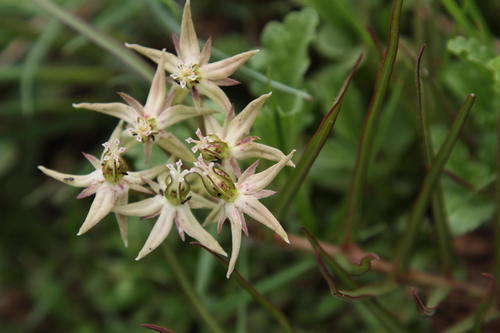
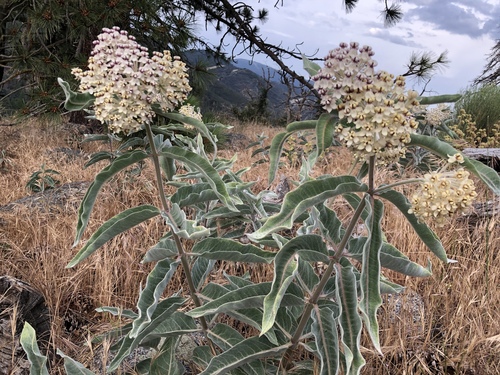
Hancornia speciosa
Gomez
Mangaba
iNaturalist· cc-by-nc-sa
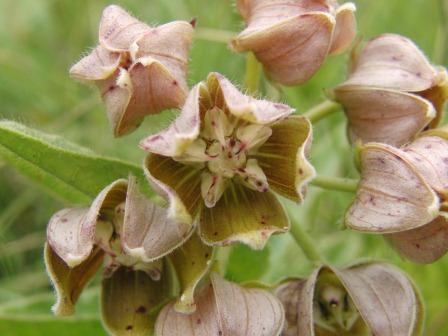
(c) Mauricio Mercadante, some rights reserved (CC BY-NC-SA)
iNaturalist· cc-by
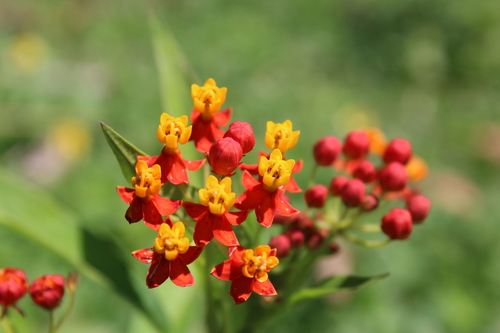
(c) João Medeiros, some rights reserved (CC BY)
iNaturalist· cc-by
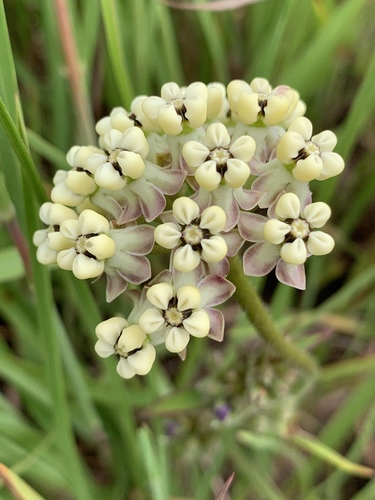
(c) João Arthur Rabello, some rights reserved (CC BY), uploaded by João Arthur Rabello
Summary
Source: WikipediaA deciduous tree reaching 7m tall and 5m wide at a slow growth rate, hardy to UK zone 10. Grows best in light sandy or medium loamy, well-drained soils and tolerates poor soil nutrition. Adapts to mildly acidic, neutral, and basic soil pH. Requires full sun and prefers moist conditions but can tolerate drought once established.
Description
A medium sized tree. It grows 6-8 m high. It can be 15 m high. The trunk is twisted and 30 cm across. The leaves are simple and opposite. They are 3.5-10 cm long by 1.5-5 cm wide. The fruit is medium sized and red with a thin skin. It is 2.5-6 cm long. It has sweet flesh and one or more seeds. The seed are 1 cm across. The plant is variable and 6 varieties have been described.
Edible Uses
The fruit is edible raw or cooked, but must be fully ripe and soft — ideally fallen to the ground — to be free of latex and bitterness. At this stage the pulp is delicious, succulent, viscous, sweet, and aromatic, with a pleasant subacid flavour. The fruit measures 3–6 cm in diameter and can also be made into juice, sherbet, or preserves. It is particularly prized as a marmalade in parts of Brazil.
Traditional Uses
The ripe fruit is eaten fresh. They are also made into juice, preserves, drinks, pudding and wine. It is made into marmalade and ice cream
This uses section is brief — help expand it
Medicinal Uses
The plant is considered an excellent remedy for bilious complaints.
Distribution
It is a tropical plant. It grows in scrubland in central Brazil. It grows naturally in regions with average temperatures between 24-26°C. The rainfall is 1,400 mm per year. It can grow in the temperature range of 15-43°C. It grows in sandy soils.
Where It Grows
Amazon, Andes, Asia, Bolivia, Brazil*, Malaysia, Paraguay, Peru, SE Asia, South America*, Venezuela,
Cultivation
Plants are grown from seed. The seeds from ripe fruit are removed and dried in the shade then planted. Seeds are slow to germinate and only a few grow. It is best to use fresh seeds.
Propagation
Plants can be grown from seed. Seeds extracted from ripe fruit should be dried in the shade before planting. Sow seed as soon as it is ripe, preferably in individual containers since the seedlings do not transplant well. Germination rates are typically low, germination can be slow, and seedlings also tend to establish slowly once sprouted.
Other Uses
The tree produces mangabeira rubber, which is of good quality and has historically been exported from parts of Brazil. The wood is light, spongy, soft, and easy to work but has little durability even when protected from the weather, limiting its use to making boxes and as fuel. It has also been identified as an industrial hydrocarbon crop in carbon farming contexts.
Production
Plants grow slowly. Fruit are best when harvested from the ground. Plants fruit 5-6 years after planting. Fruit ripen after 112 days.
Other Information
The fruit are sold in local markets. They are tasty.
Notes
There is only one Hancornia species. It has antioxidant activity.
Nutrition
| Part | Moisture | kJ | kcal | Protein | Vit A | Vit C | Iron | Zinc |
|---|---|---|---|---|---|---|---|---|
| Fruit | 84.9 | 252 | 60 | 0.9 | — | 130 | 0.9 | 0.6 |
| Fruit | 90.8 | — | — | — | — | 190 | — | — |
Synonyms
Also Known As
Magaba, Mangabeira, Mangabinha do norte, Mangava, Mangaba-da-restinga, Manguba, Xaba motoha
References (37)
- Araujo, C. L. et al, 2004, Biological activity of proteins from pulps of tropical fruits. Food Chemistry 85:107-110
- Arora, R. K., 2014, Diversity in Underutilized Plant Species - An Asia-Pacific Perspective. Bioversity International. p 74
- Bailao, E. F. L. C., et al, 2015, Bioactive Compounds Found in Brazilian Cerrado Fruits. International Journal of Molecular Sciences. 16:23760-23783
- Bortolotto, I. M., et al, 2015, Knowledge and use of wild edible plants in rural communities along Paraguay River, Pantanal, Brazil. Journal or Ethnobiology and Ethnomedicine. 11:46
- Bortolotto, I. M., et al, 2018, Lista preliminar das plantas alimenticias nativas de Mato Grosso do Sul, Brasil. Iheringia, Serie Botanica, Porto Alegre, 73 (supl.):101-116
Show all 37 references Hide references
- Brazil: Biodiversity for Food and Nutrition. http://www.b4fn.org/countries/brazil/
- Burkill, I.H., 1966, A Dictionary of the Economic Products of the Malay Peninsula. Ministry of Agriculture and Cooperatives, Kuala Lumpur, Malaysia. Vol 1 (A-H) p 1145
- Costa, C., et al, 2003, Inoculum density of arbuscular mycorrhizal fungi needed to promote growth of Hancornia speciosa Gomes seedlings. Fruits, Vol. 58, p 247-254
- Facciola, S., 1998, Cornucopia 2: a Source Book of Edible Plants. Kampong Publications, p 22
- Fagg, C. W. et al, 2015, Useful Brazilian plants listed in the manuscripts and publications of the Scottish medic and naturalist George Gardner (1812–1849). Journal of Ethnopharmacology 161 (2015) 18–29
- Grandtner, M. M. & Chevrette, J., 2013, Dictionary of Trees, Volume 2: South America: Nomenclature, Taxonomy and Ecology. Academic Press p 289
- Hedrick, U.P., 1919, (Ed.), Sturtevant's edible plants of the world. p 337
- Hunter, D., et al, 2019, The potential of neglected and underutilized species for improving diets and nutrition. Planta (2019) 250:709-729
- INFOODS:FAO/INFOODS Databases
- Janick, J. & Paul, R. E. (Eds.), 2008, The Encyclopedia of Fruit & Nuts. CABI p 74
- Kiple, K.F. & Ornelas, K.C., (eds), 2000, The Cambridge World History of Food. CUP p 1809
- Leticia, Z., et al, 2015, Do Socioeconomic characteristics explain the knowledge and use of native food plants in semiarid environments in Northeastern Brazil? Journal of Arid Environments 115:53-61
- Lorenzi, H., 2002, Brazilian Trees. A Guide to the Identification and Cultivation of Brazilian Native Trees. Vol. 01 Nova Odessa, SP, Instituto Plantarum p 44
- Lorenzi, H., Bacher, L., Lacerda, M. & Sartori, S., 2006, Brazilian Fruits & Cultivated Exotics. Sao Paulo, Instituto Plantarum de Estuados da Flora Ltda. p 60
- Martin, F. W., et al, 1987, Perennial Edible Fruits of the Tropics. USDA Handbook 642 p 19
- NYBG Herbarium "edible"
- Observ. bot. med. pl. Bras. 2:1, t.1. 1803 (Mem. Math. Phis.Acad. Real Sci. Lisboa 3:53.)
- Oliviera V. B., et al, 2012, Native foods from Brazilian biodiversity as a source of bioactive compounds. Food Research International 48 (2012) 170-179
- Paniagua Zambrana, N. Y., et al, 2017, Traditional knowledge hiding in plain sight - twenty-first century ethnobotany of the Chacobo in Beni, Bolivia. Journal of Ethnobiology and Ethnomedicine (2017) 13:57
- Paz, F. S., et al, 2021, Edible Fruit Plant Species in the Amazon Forest Rely Mostly on Bees and Beetles as Pollinators. Journal of Economic Entomology, XX(XX), 2021, 1–13
- Plant Ecology - Reviews of Research. 1955, Arid Zone Research VI. UNESCO p 97
- Rufina, M. S. M., et al, 2009, Free radical-scavenging behaviour of some north-east Brazilian fruits in a DPPH system. Food Chemistry 114:693-695
- Rufino, M. M., et al, 2009, Quality for fresh consumption and processing of some non-traditional tropical fruits from Brazil. Fruits, Vol. 64, p 361-370
- Tanaka,
- Uphof,
- USDA, ARS, National Genetic Resources Program. Germplasm Resources Information Network - (GRIN). [Online Database] National Germplasm Resources Laboratory, Beltsville, Maryland. Available: www.ars-grin.gov/cgi-bin/npgs/html/econ.pl (10 April 2000)
- Vasquez, Roberto Ch. & Coimbra, German S., 1996, Frutas Silvestres Comestibles de Santa Cruz. p 50
- Villachica, H., (Ed.), 1996, Frutales Y hortalizas promisorios de la Amazonia. FAO, Lima. p 191
- Wiersema, J. H. & Leon, B., 2013, World Economic Plants. A Standard Reference CRC Press. 2nd Ed. p 337
- World Checklist of Useful Plant Species 2020. Royal Botanic Gardens, Kew
- www.colecionandofrutas.org
- Zambrana, P, et al, 2017, Traditional knowledge hiding in plain sight – twenty-first century ethnobotany of the Chácobo in Beni, Bolivia. Journal of Ethnobiology and Ethnomedicine (2017) 13:57