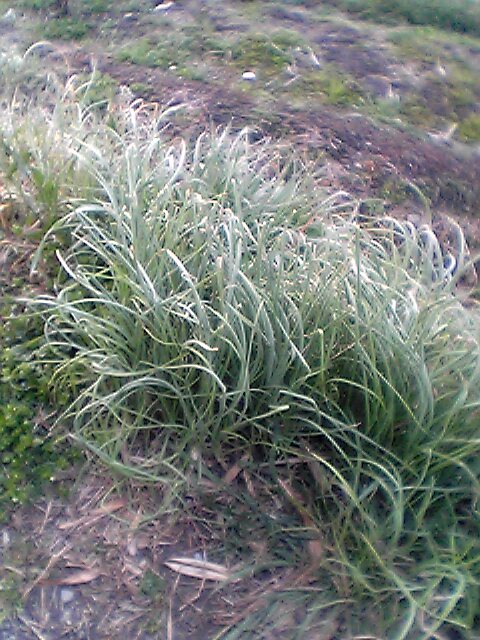
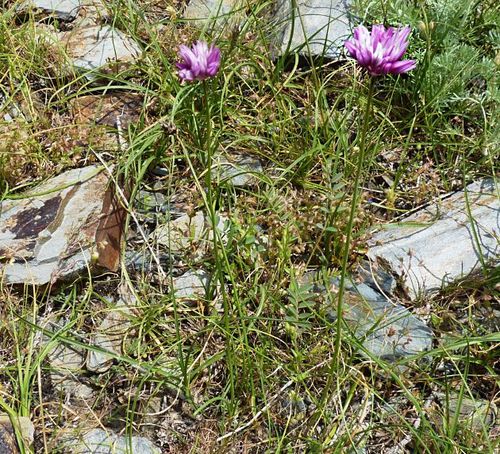
Allium polyrhizum
Turcz. ex Regel
Taan
iNaturalist· cc-by-nc
(c) Baasanmunkh, some rights reserved (CC BY-NC), uploaded by Baasanmunkh
iNaturalist· cc-by-nc
(c) Pyak Andrei, some rights reserved (CC BY-NC)
Summary
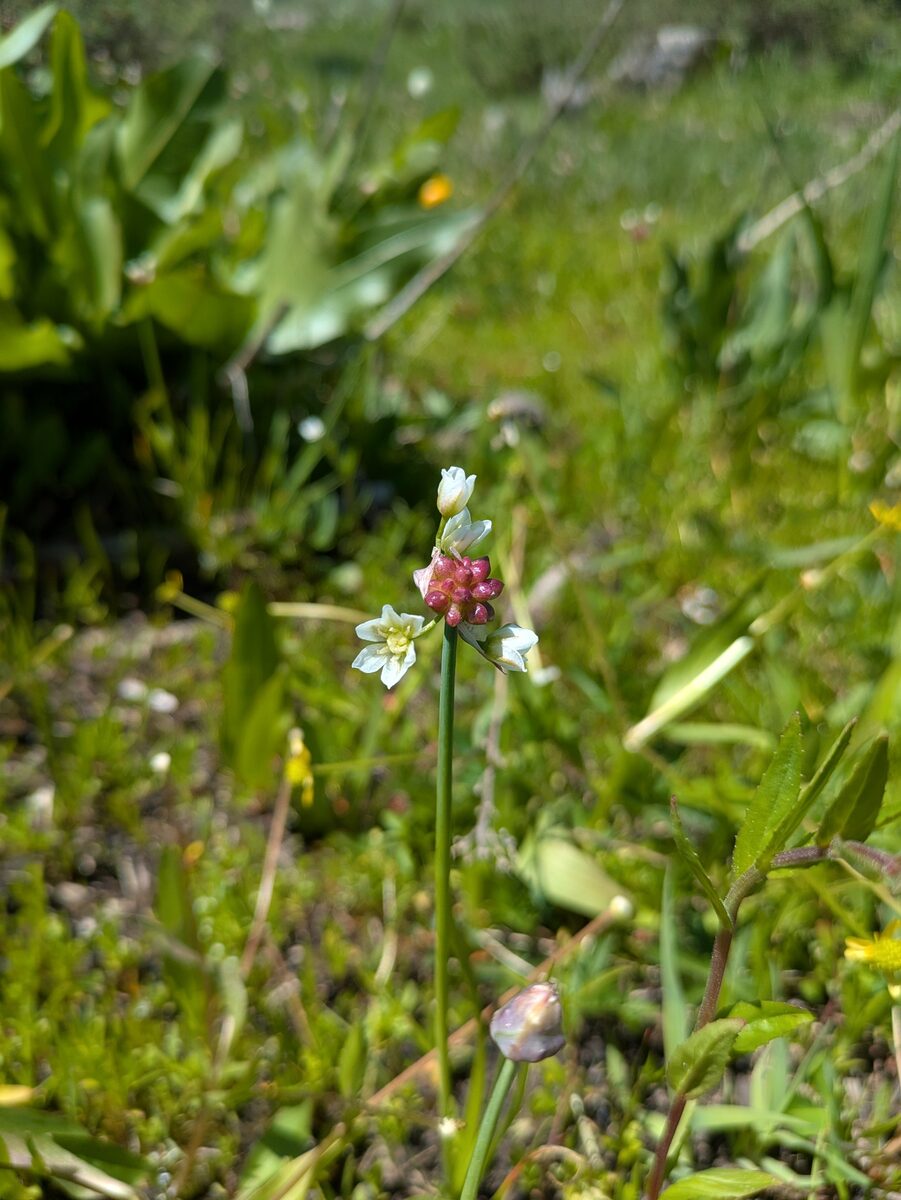
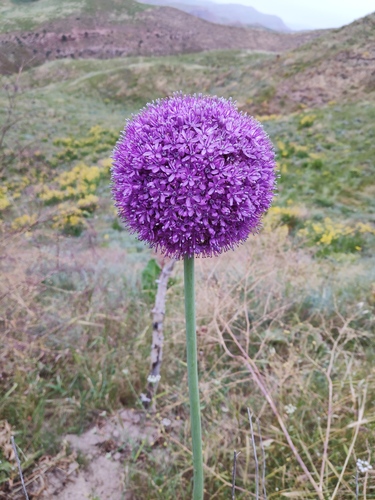
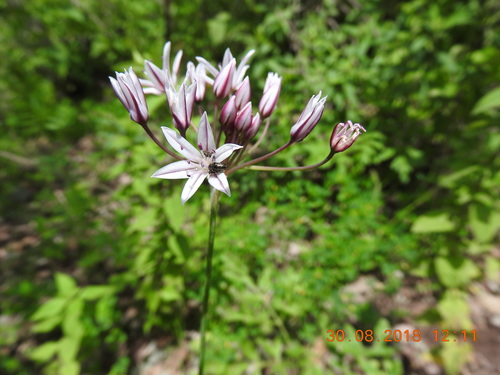
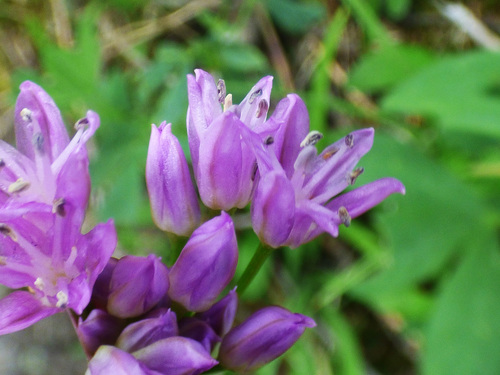
Source: WikipediaAllium polyrhizum is a species of wild onion widespread across Zabaykalsky Krai, Kazakhstan, Mongolia, and China (Gansu, Hebei, Heilongjiang, Jilin, Liaoning, Inner Mongolia, Ningxia, Qinghai, Shaanxi, Shanxi and Xinjiang) at elevations 1000–3700 m. Allium polyrhizum produces clumps of many narrowly cylindrical bulbs, each generally less than 10 cm in diameter. Scape is up to 30 cm long, round in cross-section. Leaves are tubular, less than 1 cm across, shorter than the scape. Umbel is hemispheric with many densely packed flowers. Tepals are usually pink or purple but occasionally white, either way with a green midvein.
Description
An onion family herb. There is a dense cluster of bulbs. They are cylinder shaped and 1 cm across. The leaves are 1 mm wide. The stalk is 7-30 cm long. The flower head has many flowers. They are purple to red.
Edible Uses
The leaves and flowers are used as a vegetable and flavouring.
Traditional Uses
The leaves and flowers are used as a vegetable and a flavouring.
This uses section is brief — help expand it
Distribution
It is a temperate plant. It grows in Inner Mongolia. It grows on sunny slopes and salty or alkaline soils and desert steppes between 1,000-3,700 m above sea level in north China.
Where It Grows
Asia, Central Asia, China, Kazakhstan, Mongolia, Russia,
Other Information
It was occasionally used as a seasoning.
Notes
They have also been put in the family Alliaceae.
Synonyms
References (4)
- Khasbagan, Hu-Yin Huai, and Sheng-Ji pei, 2000, Wild Plants in the Diet of Athorchin Mongol Herdsmen in Inner Mongolia. Economic Botany 54(4): 528-536
- Khasbagan, Yeruhan and Zhao Hui, 2011, Study on Traditional Knowledge of Wild Edible Plants Used by the Mongolians in Xilingol Typical Steppe Area. Plant Diversity and Resources. 33(2): 239-246
- Urgamal, M., et al, 2014, Conspectus of the Vascular Plants of Mongolia. Mongolia Academy of Sciences Institute of Botany and National University of Mongolia Department of Biology. p 47
- Zhang, Y., et al, Yunatov’s Records of Wild Edible Plant Used by the Mongols in Mongolia During 1940- 1951: Ethnobotanical Arrangements and Discussions. Inner Mongolia Normal University. p 12