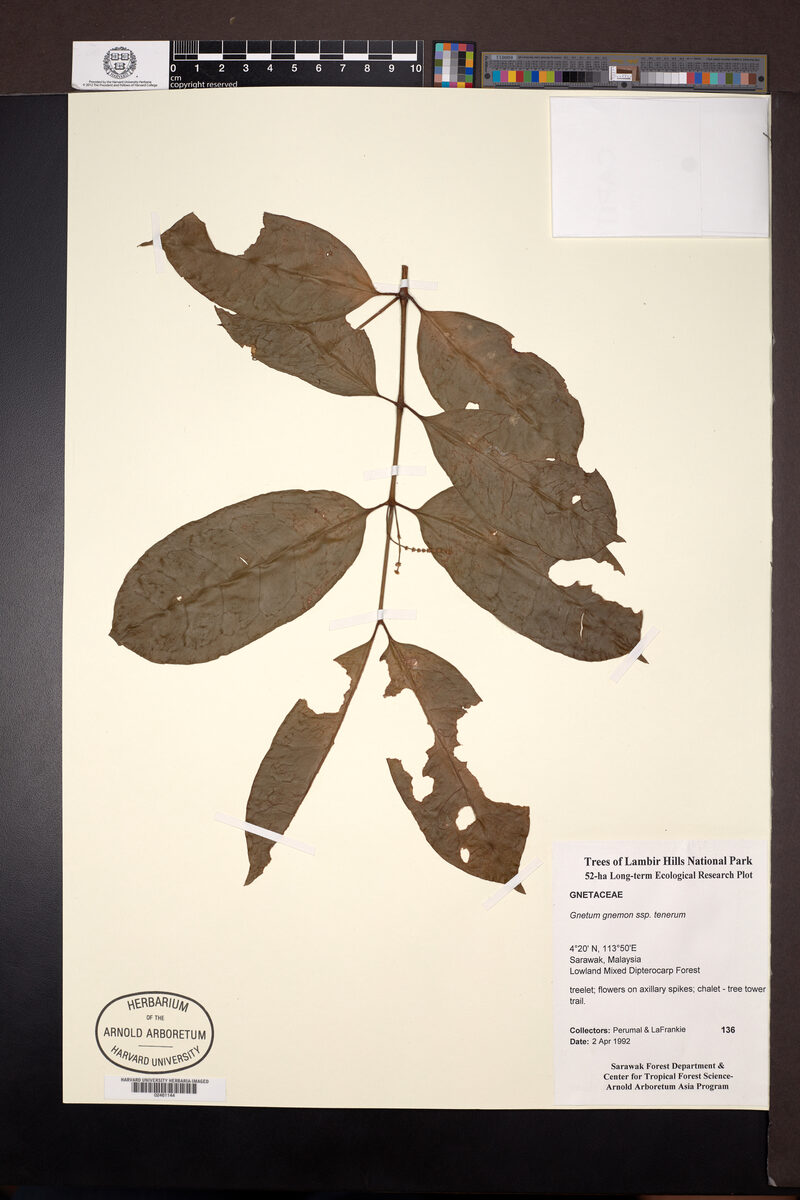
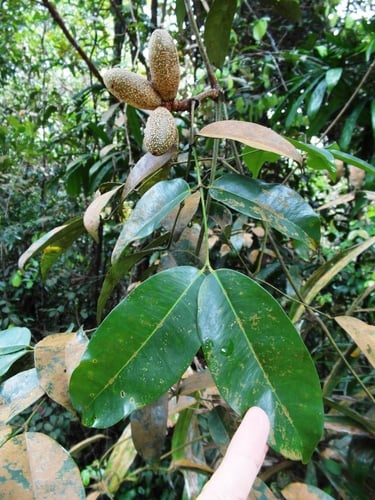
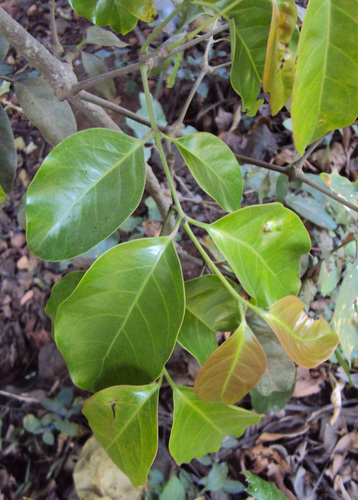
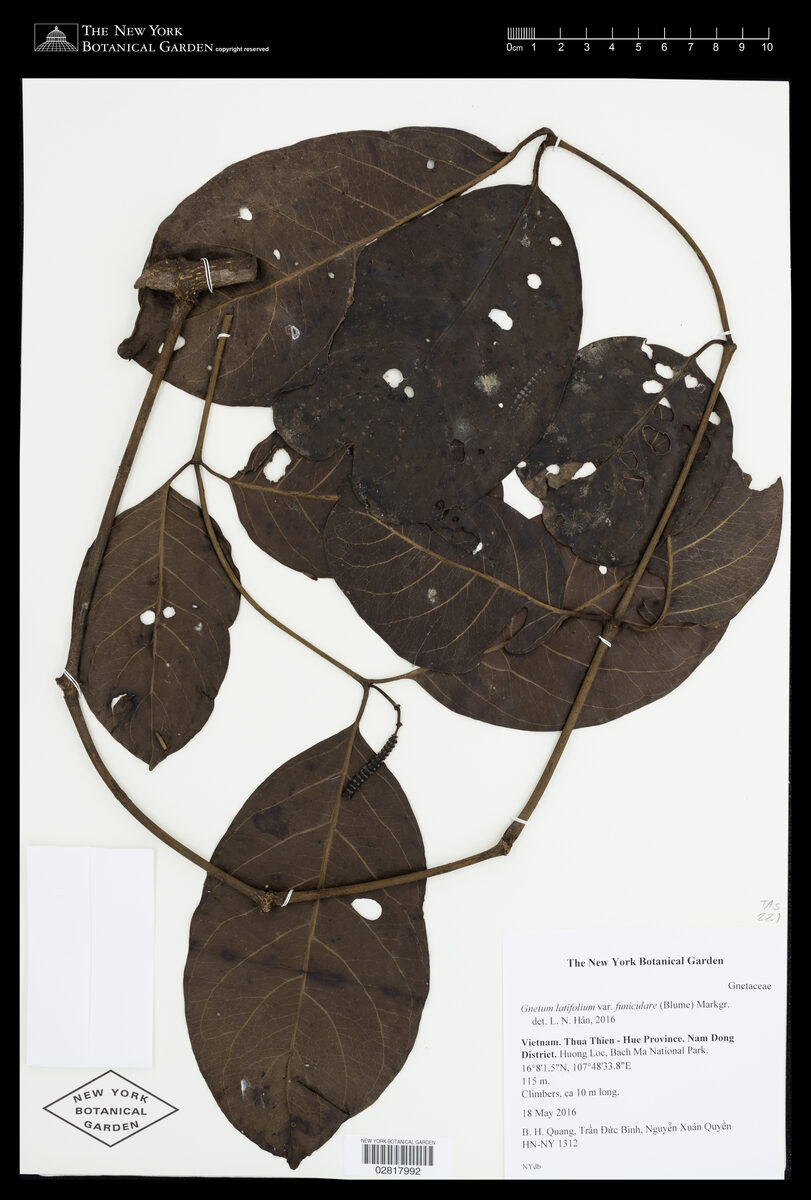
Gnetum gnemon var. brunonianum
L., (Griff.) Markgr.
iNaturalist· cc-by-nc
(c) Bayan Izzani, some rights reserved (CC BY-NC)
iNaturalist· cc-by-sa
(c) gbohne, some rights reserved (CC BY-SA)
iNaturalist· cc-by-nc
(c) Bayan Izzani, some rights reserved (CC BY-NC)
Summary
Source: WikipediaGnetum gnemon is a gymnosperm species of Gnetum. Its native area spans from Mizoram and Assam in India down south through Malay Peninsula, Malay Archipelago and the Philippines in southeast Asia to the western Pacific islands. Common names include gnetum, joint fir, two leaf, melinjo/belinjo (Indonesian), bago/lumbay (Filipino), hanthu (Karbi) and tulip (Tok Pisin).
Description
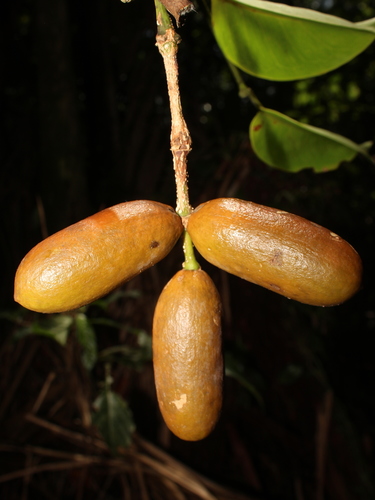
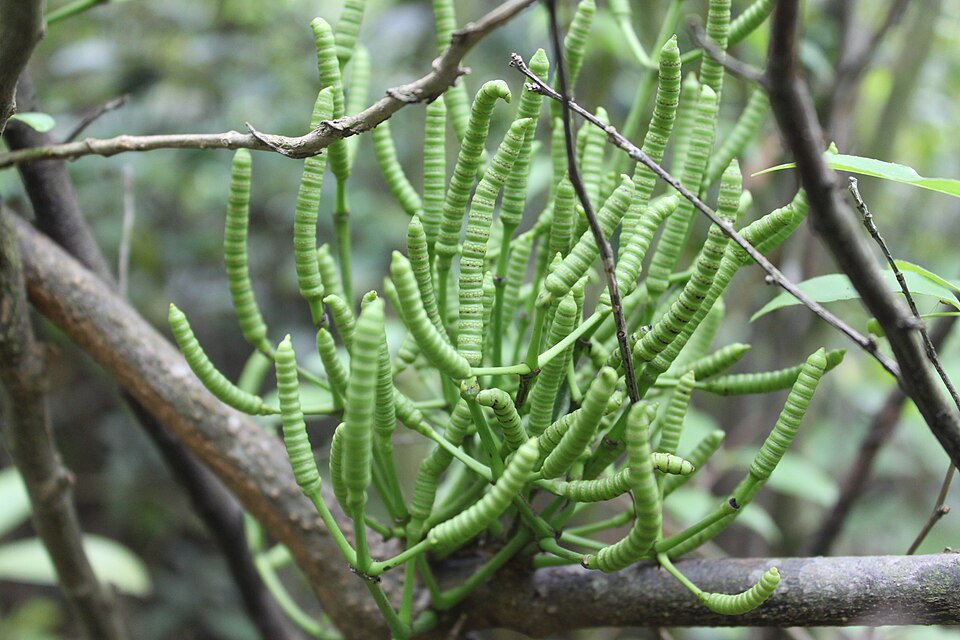
A slender shrub. The seeds or nuts do not have stalks. They are born along a thick axis.
This description is brief — help expand it
Edible Uses
Gnetum nuts are eaten boiled, roasted, or raw in most parts of Southeast Asia and Melanesia. The young leaves, the male strobili (often incorrectly referred as "flowers"), and the outer flesh of the fruits are also edible when cooked and are eaten in Indonesia, the Philippines, Thailand, Vanuatu, Papua New Guinea, the Solomon Islands, and Fiji. They have a slightly sour taste and are commonly eaten in soups and stews. Gnetum is most widely used in Indonesian cuisine where it is known as melinjo or belinjo. The seeds are used for sayur asem (sour vegetable soup) and also, made into raw chips that later need to be deep-fried as crackers (emping, a type of krupuk). The crackers have a slightly bitter taste and are frequently served as a snack or accompaniment to Indonesian dishes. This plant is commonly cultivated throughout the Aceh region and is regarded as a vegetable of high status. Its male strobili, young leaves and female strobilus are used as ingredients in traditional vegetable curry called kuah pliek. This dish is served on all important traditional occasions, such as khanduri and keureudja. In the Pidie district, the women pick the red-skinned ripe fruit and make keureupuk muling from it.
Distribution
A tropical plant.
Where It Grows
Asia, India, Indonesia, Malaysia, Myanmar, Northeastern India, Pacific, Papua New Guinea, PNG, SE Asia,
Notes
There are about 28 Gnetum species.
Synonyms
Also Known As
Dagun puteh, Ekur belangkas, Pantat ulat, Sugi-sugi
References (4)
- Borrell, O.W., 1989, An Annotated Checklist of the Flora of Kairiru Island, New Guinea. Marcellin College, Victoria Australia. p 11
- Burkill, I.H., 1966, A Dictionary of the Economic Products of the Malay Peninsula. Ministry of Agriculture and Cooperatives, Kuala Lumpur, Malaysia. Vol 1 (A-H) p 1108
- Elevitch, C.R.(ed.), 2006, Traditional Trees of the Pacific Islands: Their Culture, Environment and Use. Permanent Agriculture Resources, Holualoa, Hawaii. p 387
- Menninger, E.A., 1977, Edible Nuts of the World. Horticultural Books. Florida p 159