Sphagneticola calendulacea
(L.) Pruski
Chinese wedelia
iNaturalist· cc0
no rights reserved, uploaded by 葉子
iNaturalist· cc-by-nc
(c) bryanchen, some rights reserved (CC BY-NC)
iNaturalist· cc0
no rights reserved, uploaded by 葉子
Summary
Source: WikipediaSphagneticola calendulacea is a perennial herb in the genus Sphagneticola. It is found in China, India, Indonesia, Japan, Myanmar, Philippines, Sri Lanka, Thailand, Taiwan,Bangladesh and Vietnam. Tolerant to drought, humidity and barren environment, S. calendulacea is a common herbaceous plant in China and Taiwan. S. calendulacea produces wedelolactone and demethylwedelolactone. In Vietnam, the leaves of the plant is sometimes used to treat infant eczema although scientific evidence is not clear. In China and Taiwan, S. calendulacea is an ingredient in 青草茶/百草茶(a kind of herbal tea). 青草茶 is a natural drink that has been around for a long time. In traditional Chinese medicine, S. calendulacea is classified as "清熱藥/Heat-clearing herbs". It has the effect of relieve fever and detoxification, cooling blood and dissipating blood stasis. According to modern scientific research, polyphenols such as Wedelolactone, Apigenin and Luteolin contained in S. calendulacea can inhibit the growth of prostate cancer, breast cancer and nasopharyngeal carcinoma. A paper from India states that the essential oil of S. calendulacea can prevent the development of lung cancer.(2012)
Description
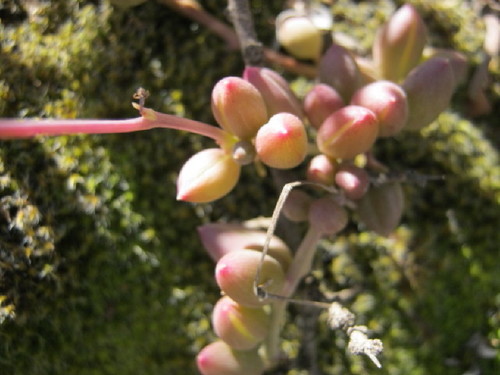
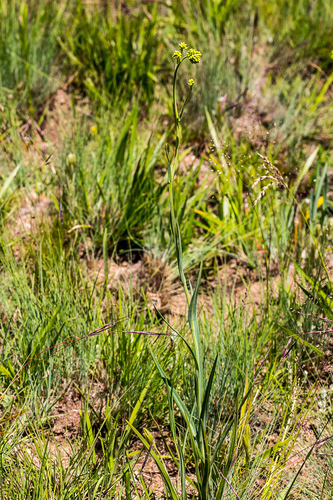
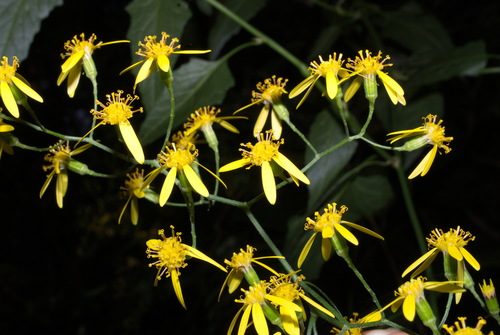
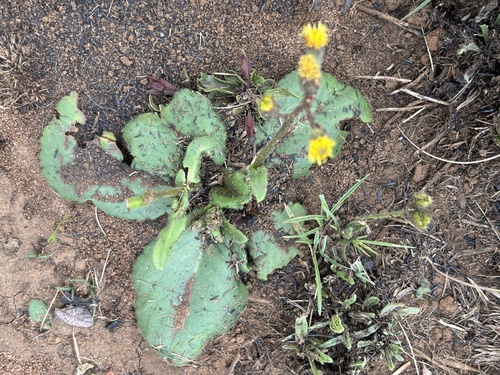
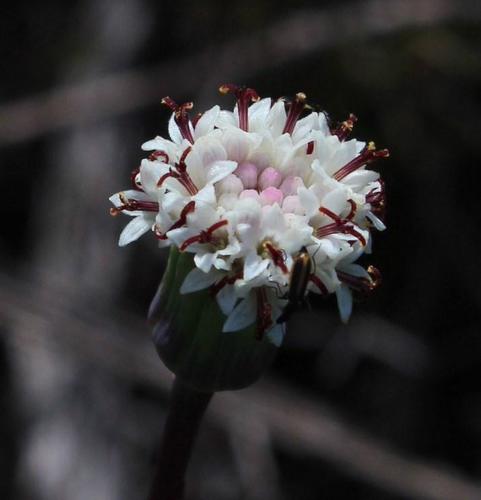
A herb. The stems lie along the ground and the tips curve upwards. It forms roots from the lower nodes. The leaves are almost without stalks. The leaves are narrow and 2-10 cm long by 0.6-2 cm wide. There can be a few teeth along the edge.
Edible Uses
The shoots and leaves are eaten as tea. It is sold in local markets in China.
Medicinal Uses
The plant is mainly used for the treatment of inflammations, including abscesses and sore throat; it is also used to treat coughs. TIle whole plant, except for the roots, is well known for its antibacterial, demulcent and antifebrile properties. It is used in the treatment of phlegmon, boils, impetigo, mastitis, abscesses, cystitis, cold and eruptive fever. A decoction of the fresh plant is used for bathing babies to prevent lichen tropicus (a chronic inflammatory and immune mediated disease that affects the skin, nails, hair, and mucous membranes). The fresh plant, combined with sesame oil, is used to treat elephantiasis.
Distribution
It is a tropical plant.
Where It Grows
Asia, China, India, SE Asia, Taiwan,
Other Uses
The leaves are used for purifying water.
Other Information
It is sold in local markets in China.
Synonyms
Also Known As
Huang hua peng qi ju
References (2)
- Li, D. et al, 2017, Ethnobotanical survey of herbal tea plants from the traditional markets in Chaoshan, China. Journal of Ethnopharmacology. 205 (2017) 195-206 (As Wedelia chinensis)
- Yang, R., et al, 2008, Content and distribution of flavonoids among 91 edible plant species. Asia Pac. J. Clin. Nutru. 17(S1): 275-279 (As Wedelia chinensis)