Geocaulon lividum
(Richardson) Fernald
False toadflax, Bastard toadflax
iNaturalist· cc-by-nc
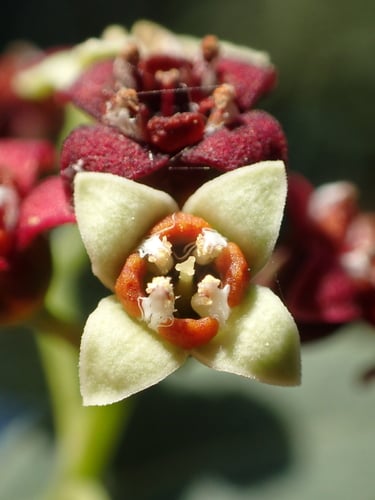
(c) Jukka Jantunen, some rights reserved (CC BY-NC)
iNaturalist· cc-by-nc
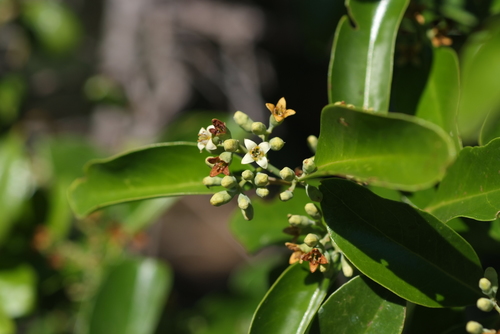
(c) Sal, some rights reserved (CC BY-NC)
iNaturalist· cc-by-nc
(c) Sal, some rights reserved (CC BY-NC)
Summary
Source: WikipediaGeocaulon lividum is a perennial with hermaphroditic flowers. It tolerates light sandy, medium loamy, and heavy clay soils across mildly acidic to basic pH ranges. The plant grows in semi-shade or full light and prefers moist soil conditions.
Description
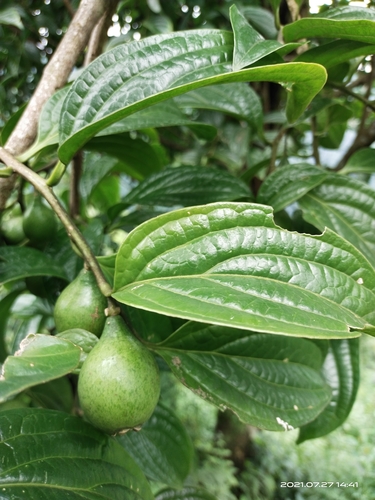
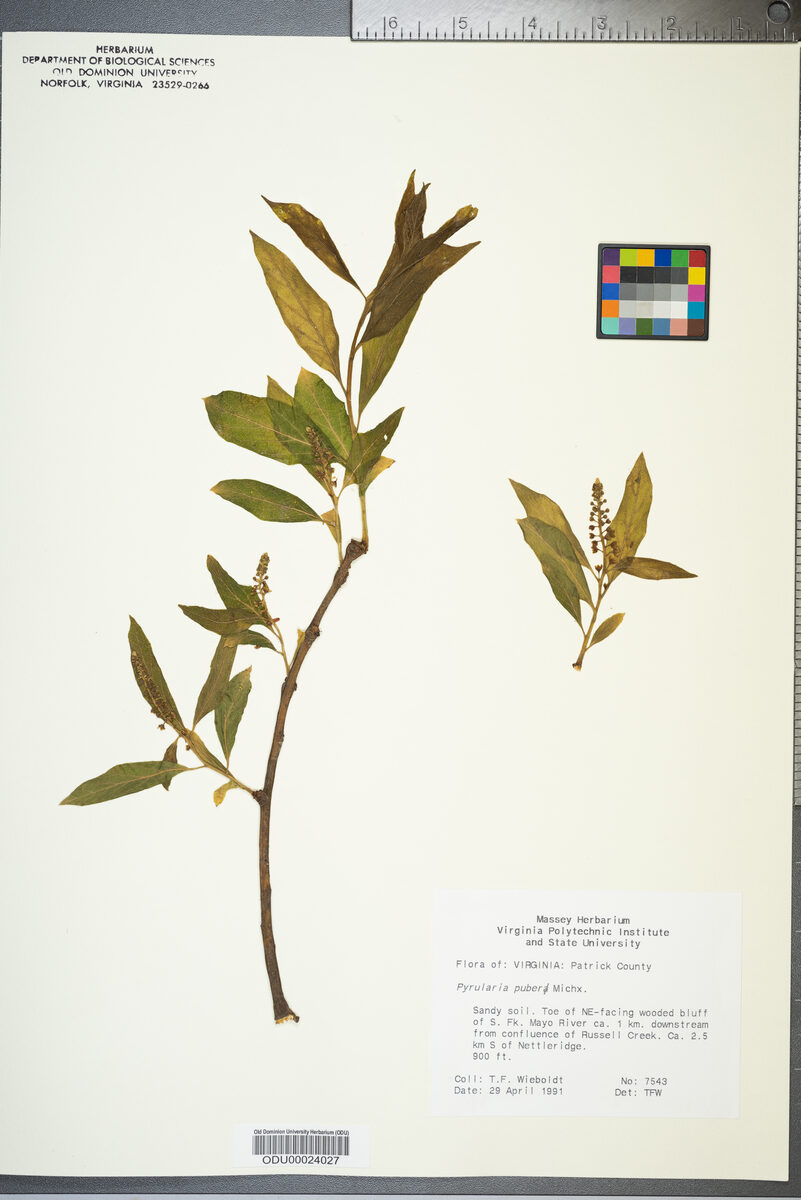
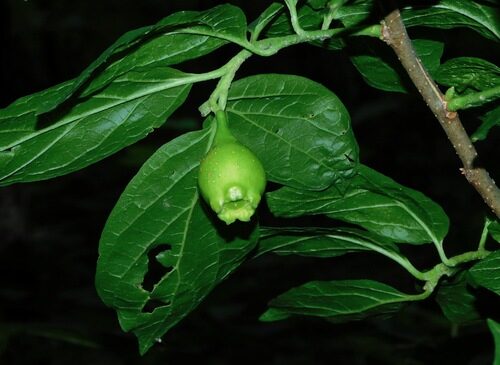
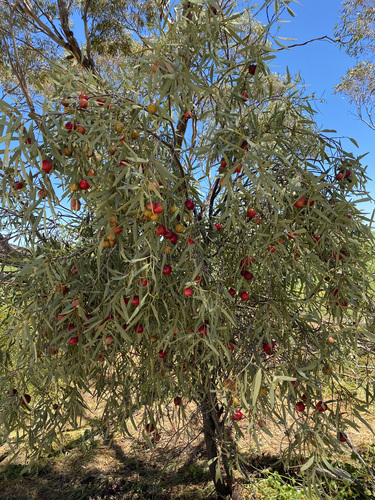
A small herb. It keeps growing from year to year. It grows 20-30 cm high. It has a slender rootstock. The stems are leafy and smooth. The flowers are small and green. The fruit are fleshy and bright red when ripe. They are edible.
Edible Uses
The fruit is edible, though no further details are given.
Traditional Uses
The fruit can be eaten but is not attractive.
This uses section is brief — help expand it
Medicinal Uses
A decoction made from chewed leaves and bark has been used as a purgative. A poultice of the same chewed leaves and bark has been applied externally to wounds.
Distribution
It grows in damp places in open conifer forests in the Rocky Mountains.
Where It Grows
Alaska, Canada, North America, USA,
Propagation
No specific propagation information is available for this species. It is suggested to sow seed in a greenhouse as soon as it is ripe where possible, or otherwise in spring in a greenhouse. The plant may be a root parasite, though further research is needed to confirm this. Once seedlings are large enough to handle, prick them out into individual pots and grow on in the greenhouse for at least their first winter. Plant out into permanent positions in late spring or early summer, after the last expected frosts.
Other Uses
None known.
Also Known As
Comandra
References (5)
- Heller, C. A., 1962, Wild Edible and Poisonous Plants of Alaska. Univ. of Alaska Extension Service. p 69
- Moerman, D. F., 2010, Native American Ethnobotany. Timber Press. p 246
- Plants for a Future database, The Field, Penpol, Lostwithiel, Cornwall, PL22 0NG, UK. http://www.scs.leeds.ac.uk/pfaf/
- Porsild, A.E., 1974, Rocky Mountain Wild Flowers. Natural History Series No. 2 National Museums of Canada. p 138
- Rhodora 30:23. 1928