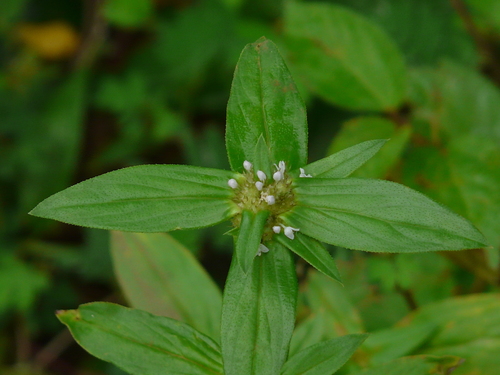
Gardenia lutea
Fresen.
Cape jasmine
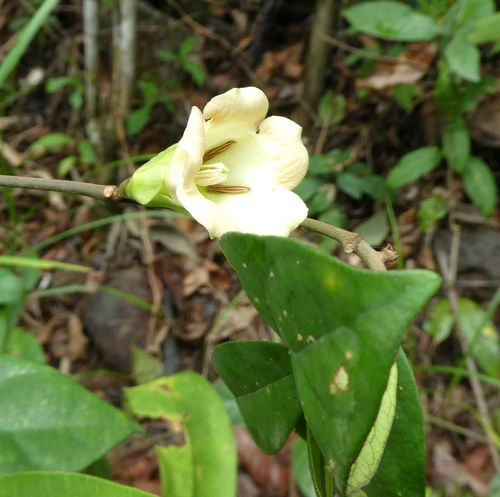
iNaturalist· cc-by-nc
(c) Mohamed SAOUPKAI, some rights reserved (CC BY-NC)
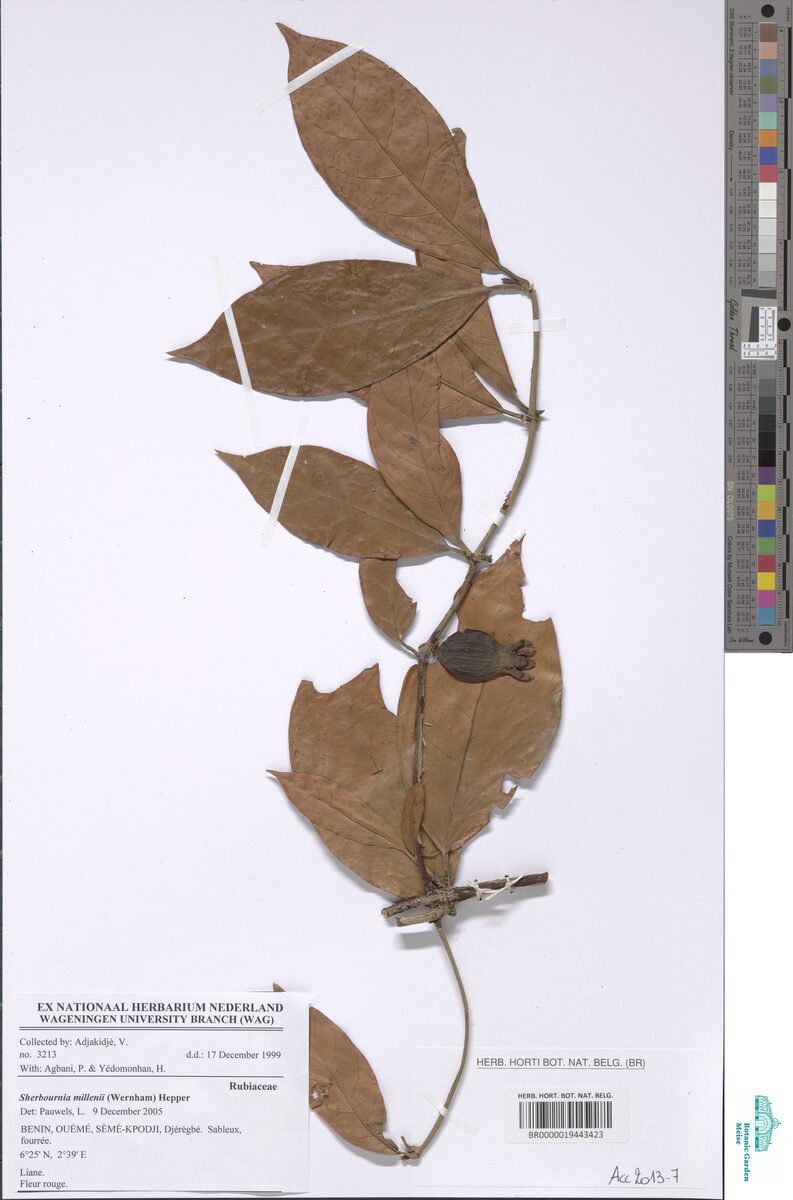
iNaturalist· cc-by-nc
(c) Nick Helme, some rights reserved (CC BY-NC)
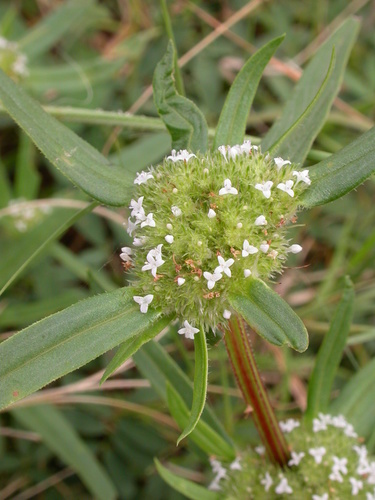
iNaturalist· cc-by-nc
(c) Gombo Dani Abdoulaye, some rights reserved (CC BY-NC)
Description
A shrub or small tree. It grows 1.8-2.4 m tall. The flowers are white. The fruit are large and brown.
This description is brief — help expand it
Edible Uses
The seeds are boiled and eaten with added salt, or cooked with onions and oil. The fruit flesh may also be consumed.
Traditional Uses
The seeds are boiled and eaten with added salt, or cooked with onions and oil.
This uses section is brief — help expand it
Medicinal Uses
The fruit are used as medicine.
Known Hazards
The fruit requires caution when consumed.
Distribution
A tropical plant.
Where It Grows
Africa, East Africa, Ethiopia, Sudan,
Other Information
It is a famine food.
Notes
There are about 200 Gardenia species. Chemical composition: Protein (crude) = 21.9% (dry). Fat = 6.2% (dry). Fibre (crude) = 7.0% (dry). Ash (insoluble) = 3.6% (dry). Carbohydrate (soluble): Starch = 28.2% (dry). Sucrose = 5.0% (dry). D-glucose = 0.1% (dry). D-fructose = Ø% (dry). Amino acids (g [16g N]]-1): Aspartic acid = 11.6g. Threonine = 3.7g. Serine = 4.8g. Glutamic acid = 16.0g. Proline = 4.3g. Glycine = 4.4g. Alanine = 5.2g. Valine = 5.7g. Cysteine = 1.1g. Methionine = 1.4g. Isoleucine = 4.6g. Leucine = 9.2g, Tyrosine = 3.4g. Phenylalanine = 6.5g. Lysine = 8.2g. Histidine = 3.2g. Arginine = 10.1g. Minerals: Sulphur = 0.21% (dry). Potassium = 0.24% (dry). Magnesium = 0.17% (dry). Na = 0.01% (dry). K = 1.40% (dry). Zinc = 28 mg/kg-1 (dry). Iron = 111 mg/kg-1 (dry). Manganese = 23 mg/kg-1 (dry). Copper = 6 mg/kg-1 (dry). The fruit are used as medicine.
Also Known As
Fuwl umgawy, Gambiela
References (3)
- ABDELMUTI,
- Jardin, C., 1970, List of Foods Used In Africa, FAO Nutrition Information Document Series No 2.p 139
- Molla, A., Ethiopian Plant Names. http://www.ethiopic.com/aplants.htm