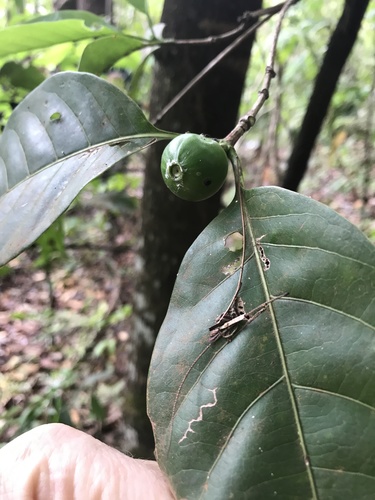
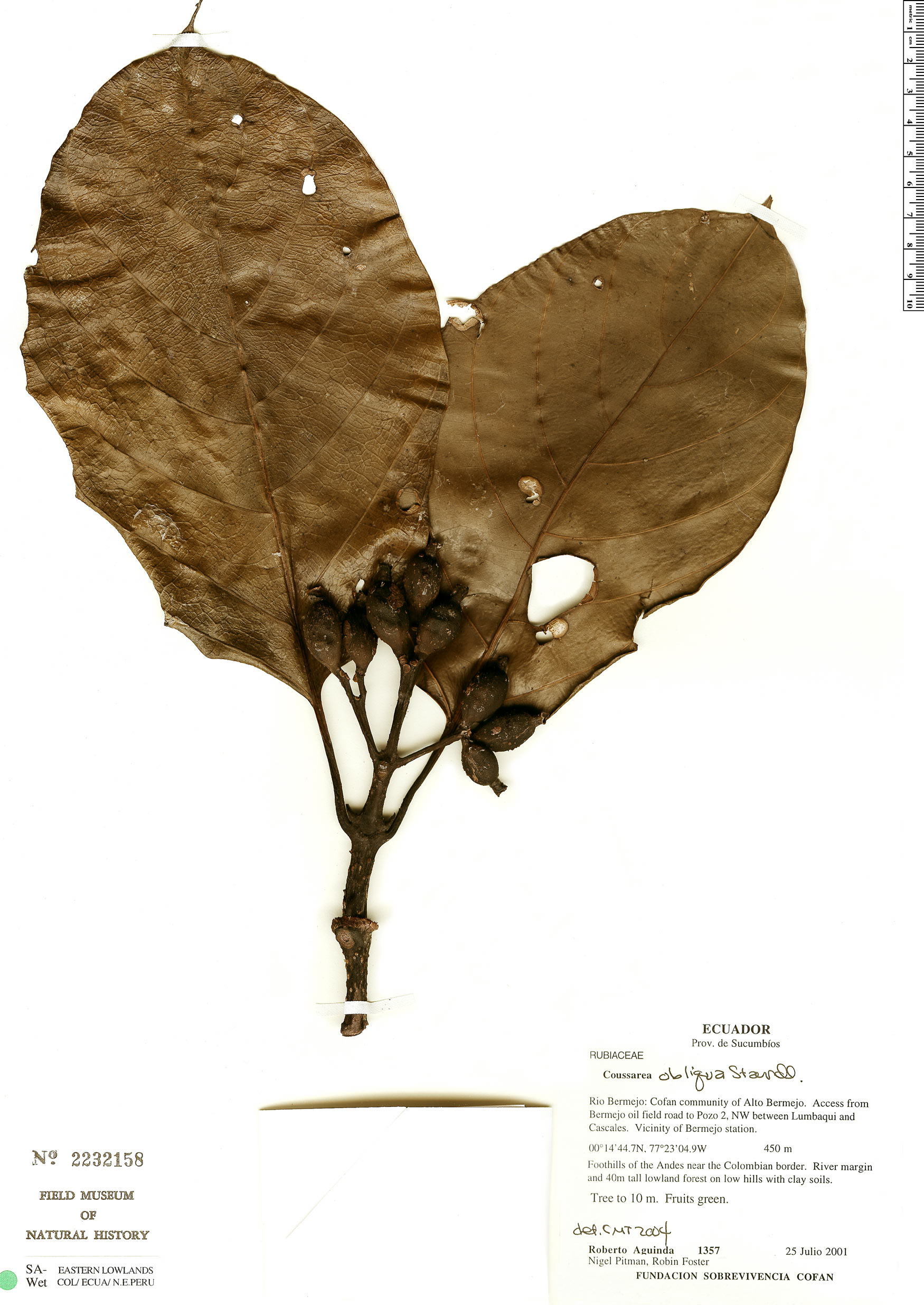
Mussaenda macrophylla
Wall.
Sweet root
iNaturalist· cc-by-nc
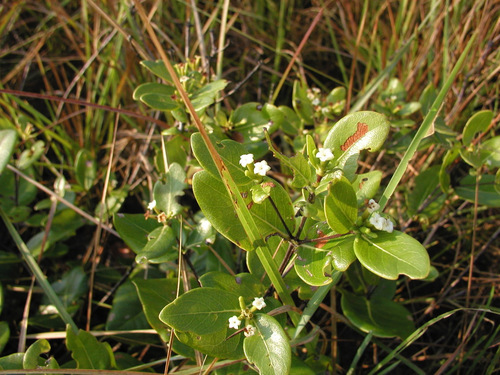
(c) Wen-Hsiang Cheng, some rights reserved (CC BY-NC), uploaded by Wen-Hsiang Cheng
iNaturalist· cc-by-nc
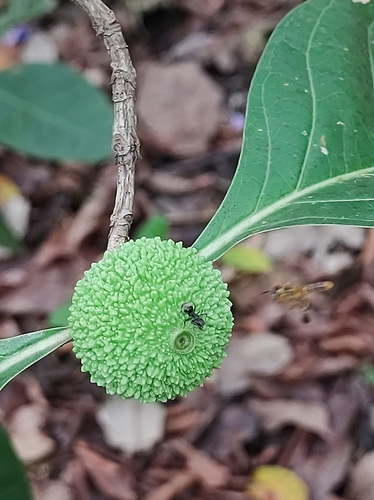
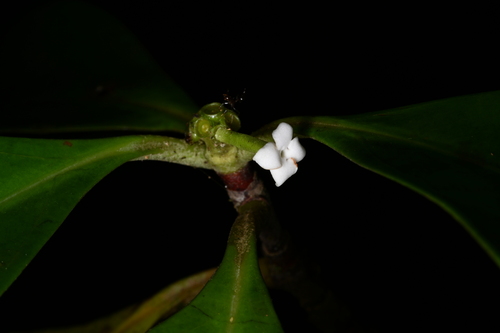
(c) Wen-Hsiang Cheng, some rights reserved (CC BY-NC)
Summary
Source: WikipediaMussaenda macrophylla, commonly known as sweet root is an evergreen Asian shrub. The bracts of the shrub may have different shades, including red, white or some mixtures. M. macrophylla is native to Asian countries like China, Taiwan, Nepal, Myanmar, Malaysia, Philippines.
Description
A shrub. It can be erect or climbing. The stems are angular. The leaves are opposite and12-21 cm long by 8-11 cm wide.
This description is brief — help expand it
Edible Uses
The shoots are cut into small pieces and cooked with meat. Young leaves are eaten raw in salads.
Traditional Uses
The shoots are cut into small pieces and cooked with meat. The young leaves are eaten raw in salads.
This uses section is brief — help expand it
Medicinal Uses
Traditional uses indicate the shoots and young leaves are consumed as food, though specific medicinal properties are not documented.
Distribution
It is a tropical plant. It grows from sea level to 1,300 m above sea level.
Where It Grows
Asia, India, Indonesia, Malaysia, Nepal, Northeastern India, Philippines, Taiwan,
Synonyms
Also Known As
Dhobini, Vosopeban
References (2)
- Ethnobotany of Karbis. Chapter 4 in p 84
- Teron, R. & Borthakur, S. K., 2016, Edible Medicines: An Exploration of Medicinal Plants in Dietary Practices of Karbi Tribal Population of Assam, Northeast India. In Mondal, N. & Sen, J.(Ed.) Nutrition and Health among tribal populations of India. p 155