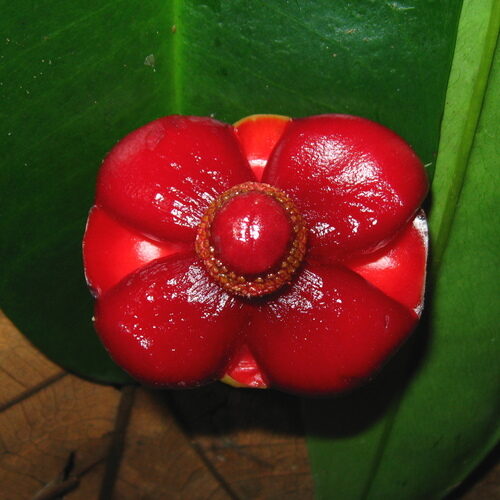
Garcinia nervosa
Miq
Mountain mangosteen
iNaturalist· cc-by-nc-sa
(c) 106611639464075912591, some rights reserved (CC BY-NC-SA), uploaded by 106611639464075912591
iNaturalist· cc-by-nc
(c) suiyes, some rights reserved (CC BY-NC)
iNaturalist· cc0
no rights reserved
Description
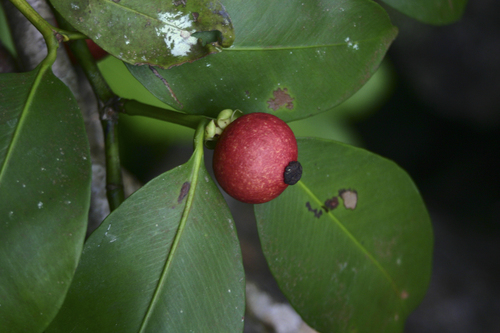
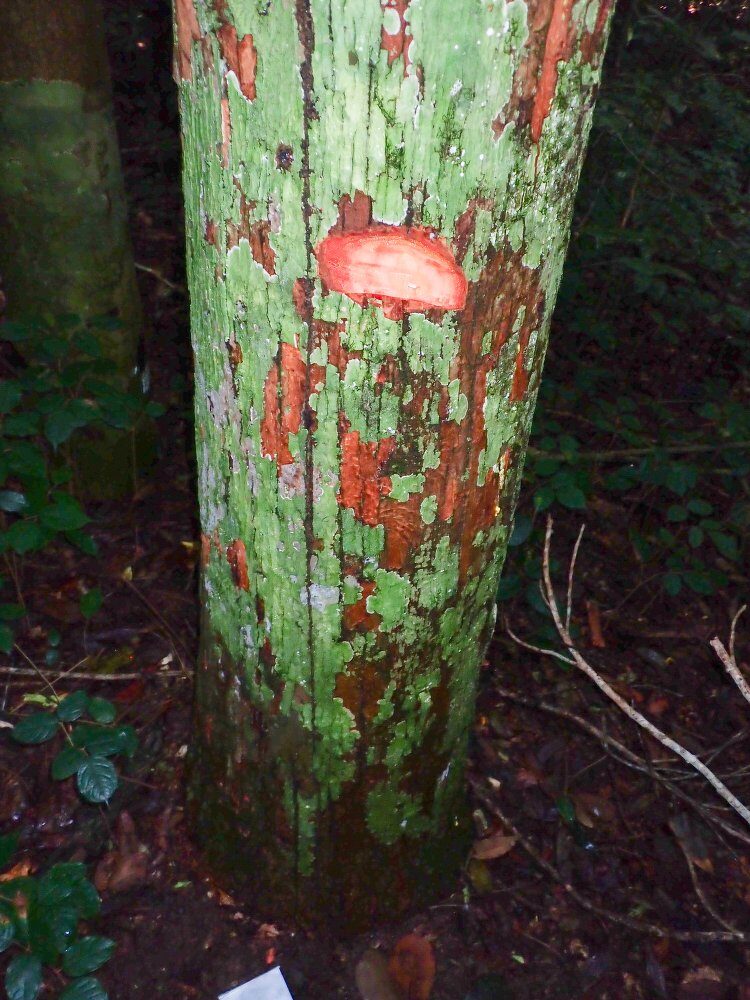
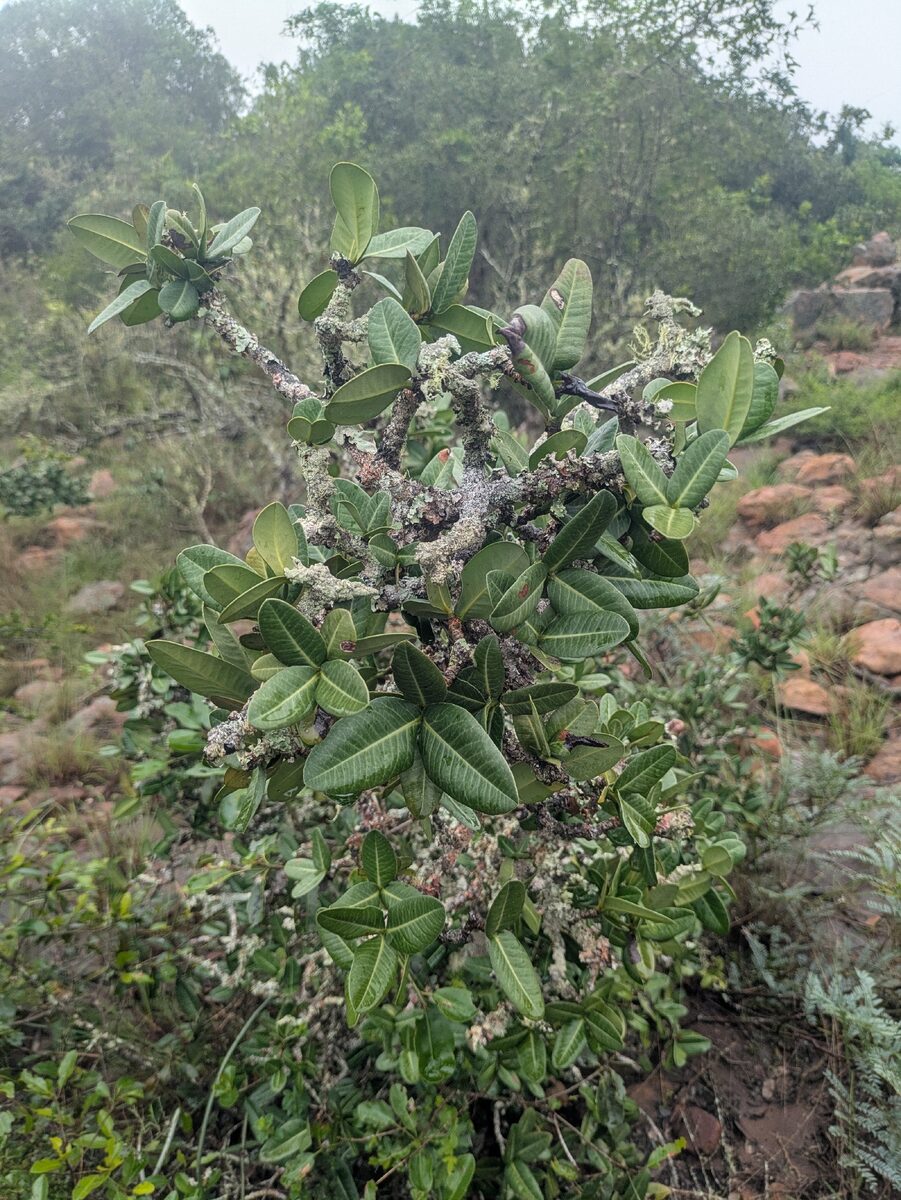
A large tree. It grows 48 m tall. The stems have yellow latex. The trunk can be 60 cm across. The leaves are opposite and simple. They are 30-60 cm long by 13-25 cm wide. The flowers are 8 mm across. They are white and in bundles in the axils of leaves. The fruit are 4.5 cm across. They are fleshy and yellow to red. The fruit have yellow blotches. The seeds have a fleshy layer or aril around them. There are 5 seeds in each fruit.
Edible Uses
The fruit are eaten.
Distribution
A tropical plant. It grows in forests up to 1,500 m above sea level. It is mostly on sandy soils.
Where It Grows
Asia, Brunei, Indochina, Indonesia, Malaysia, Philippines, SE Asia, Singapore, Thailand,
Cultivation
Plants can be grown by seeds.
Notes
There are about 300 Garcinia species.
Synonyms
Also Known As
Kandis, Kandis gajah, Kandis hutan, Mangis, Mangis hutan, Pohon manggis gunung, Sunkup
References (8)
- Burkill, I.H., 1966, A Dictionary of the Economic Products of the Malay Peninsula. Ministry of Agriculture and Cooperatives, Kuala Lumpur, Malaysia. Vol 1 (A-H) p 1072
- Saw, L.G., LaFrankie, J. V. Kochummen, K. M., Yap S. K., 1991, Fruit Trees in a Malaysian Rain Forest. Economic Botany, Vol. 45, No. 1, pp. 120-136
- Slik, F., www.asianplant.net
- Sukarya, D. G., (Ed.) 2013, 3,500 Plant Species of the Botanic Gardens of Indonesia. LIPI p 300
- Suwardi, A. B., et al, 2020, Wild edible fruits generate substantial income for local people of the Gunung Leuser National Park, Aceh Tamiang Region. Ethnobotany Research & Applications 20:11
Show all 8 references Hide references
- Tankard, G., 1990, Tropical fruit. An Australian Guide to Growing and using exotic fruit. Viking p 131
- Uji, T., 2007, Keanekaragaman, Persebaran dan Potensi Jenis-jenis Garcinia. Berk. Penel. Hayati: 12 (129–135), 2007
- World Checklist of Useful Plant Species 2020. Royal Botanic Gardens, Kew