Garcinia malaccensis
Hook. f. ex T. Anderson
Forest mangosteen
gbif· cc0
President and Fellows of Harvard College
Description
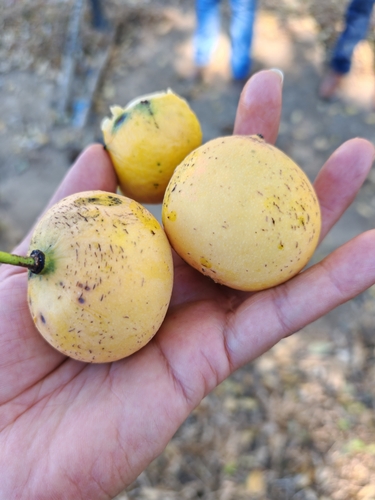
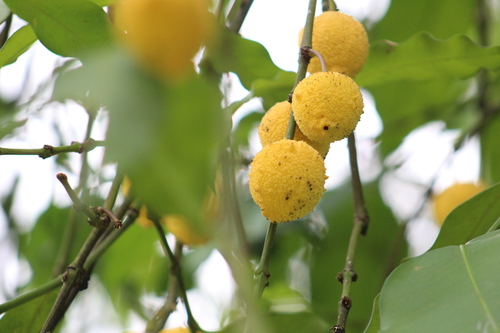
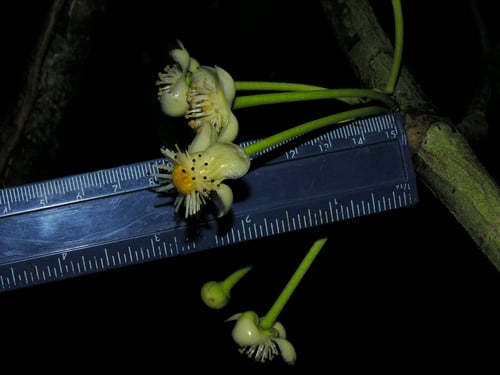
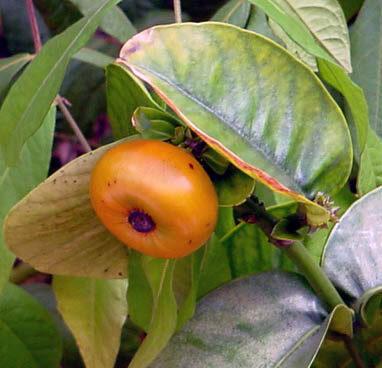
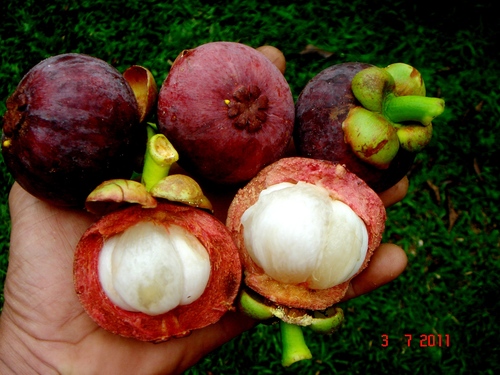
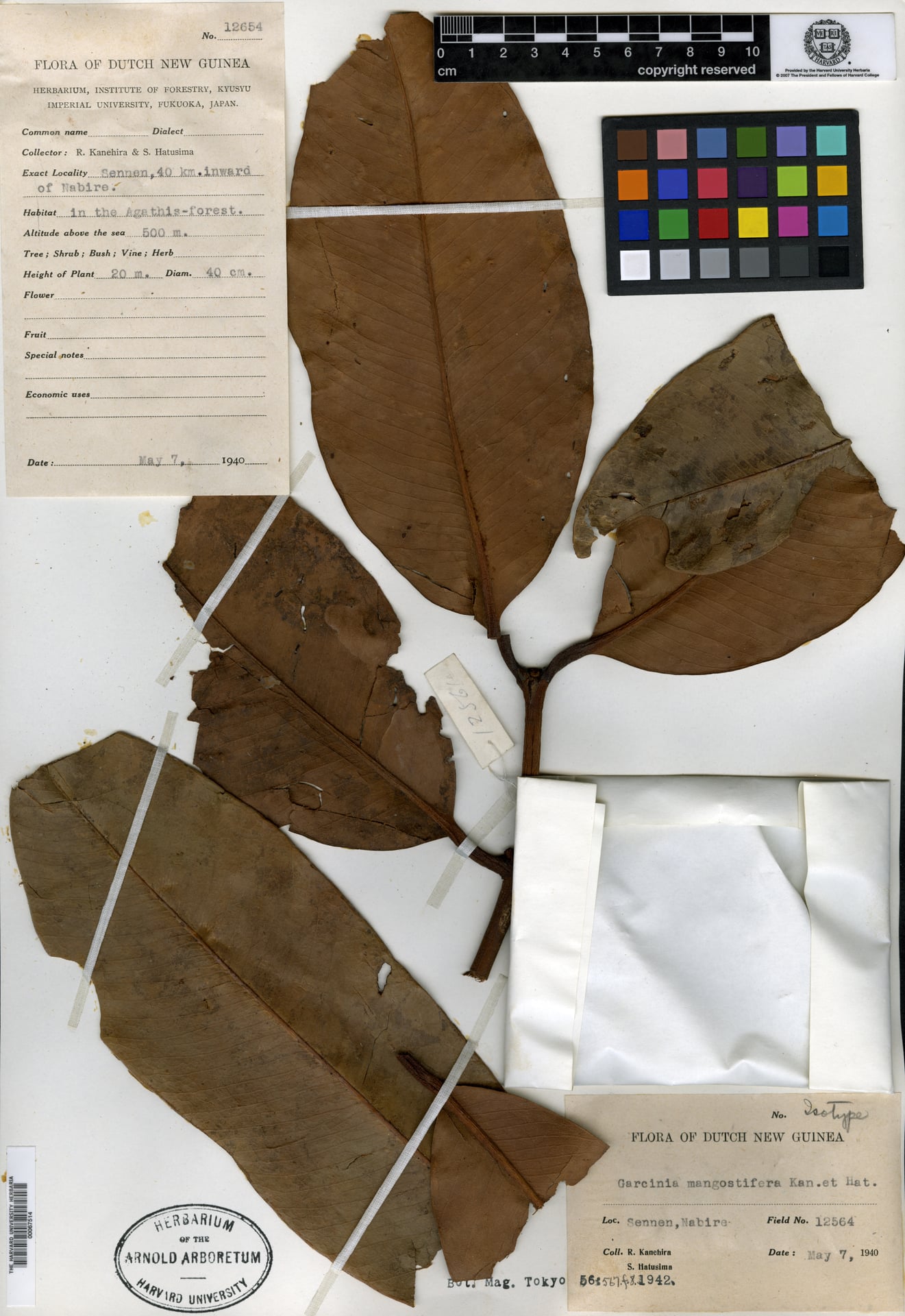
A medium sized tree. It can be 24 m tall tree. The leaves have leaf stalk 2 cm long. They are leathery and oval to oblong. They are 7-26 cm long by 4-7 cm wide. The are dark shiny green and have a wedge shaped base. Male and female flowers are separate and near the ends of branches. Male flowers are in groups of 4-6. Fruit are flattened oval berries 4.5 cm across. They are green and ripen to pink or red.
Edible Uses
The flesh is acid-sweet and eaten fresh.
Traditional Uses
The flesh is acid-sweet and eaten.
This uses section is brief — help expand it
Distribution
A tropical plant. It suits hot, wet and humid tropical climates. It grows in the lowlands and up to 540 m above sea level. It can grow in shade and is best in well-drained soils rich in organic matter.
Where It Grows
Asia, India, Indonesia, Malaysia, SE Asia,
Notes
There are about 300 Garcinia species.
Synonyms
Also Known As
Jungle mangosteen, Manggis burung, Manggis hutan
References (6)
- Arora, R. K., 2014, Diversity in Underutilized Plant Species - An Asia-Pacific Perspective. Bioversity International. p 73
- Burkill, I.H., 1966, A Dictionary of the Economic Products of the Malay Peninsula. Ministry of Agriculture and Cooperatives, Kuala Lumpur, Malaysia. Vol 1 (A-H) p 1069
- Fl. Brit. India 1, 261, 1874
- Lim, T. K., Edible Medicinal and Non-Medicinal Plants: Volume 2, Fruits,
- Saw, L.G., LaFrankie, J. V. Kochummen, K. M., Yap S. K., 1991, Fruit Trees in a Malaysian Rain Forest. Economic Botany, Vol. 45, No. 1, pp. 120-136
Show all 6 references Hide references
- Uji, T., 2007, Keanekaragaman, Persebaran dan Potensi Jenis-jenis Garcinia. Berk. Penel. Hayati: 12 (129–135), 2007