Fuchsia paniculata
Lindley
Achiotillo
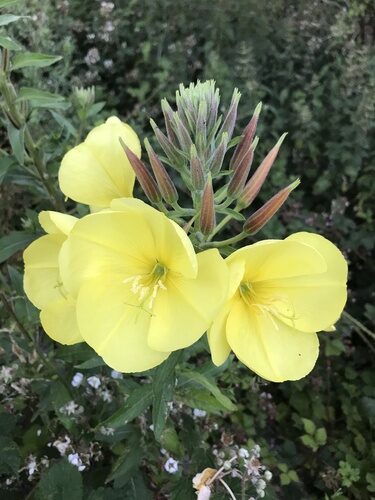
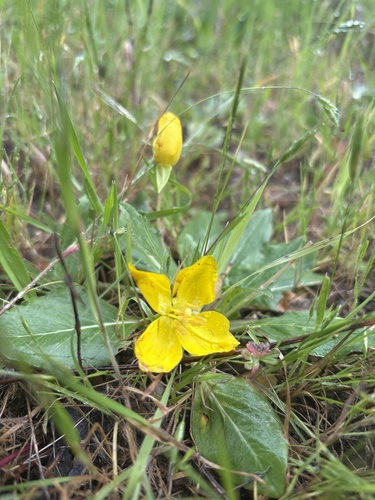
iNaturalist· cc-by
(c) rob Stoeltje, some rights reserved (CC BY)
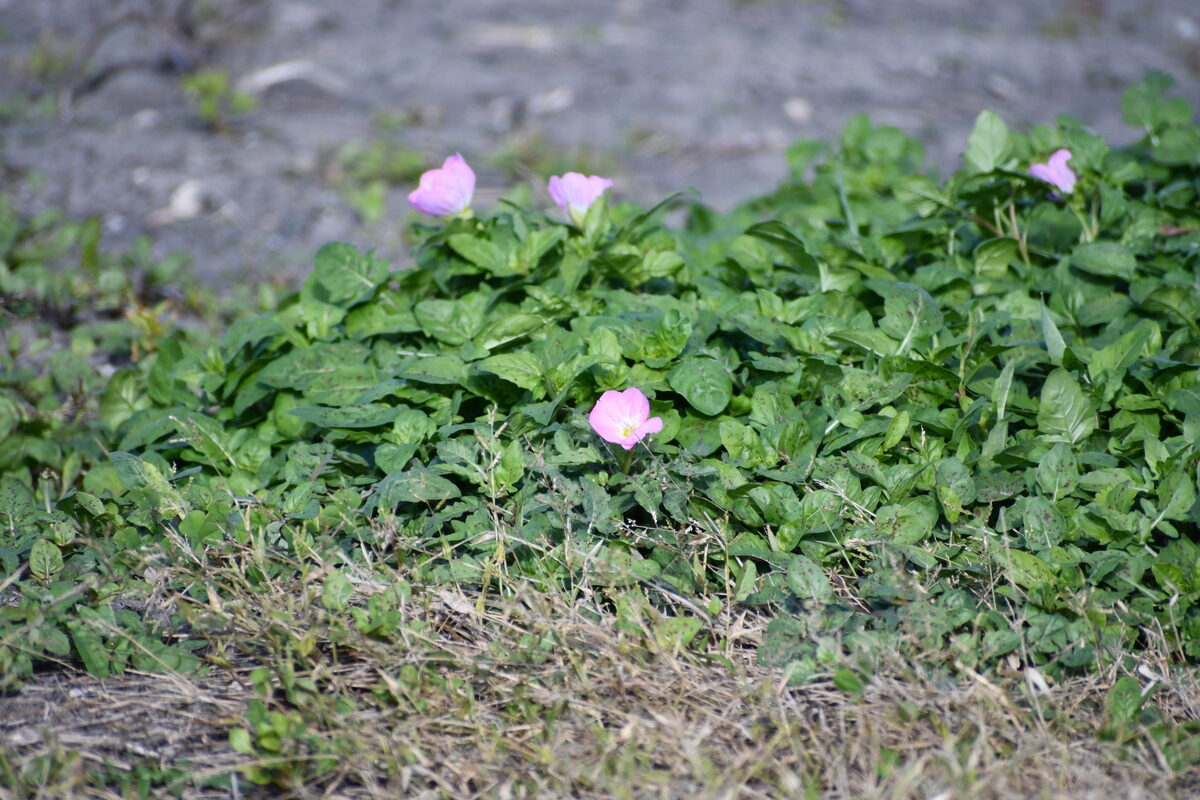
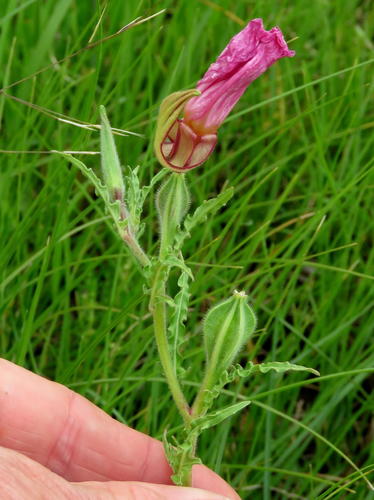
iNaturalist· cc-by-nc-sa
(c) R.E.Llanos, some rights reserved (CC BY-NC-SA), uploaded by R.E.Llanos
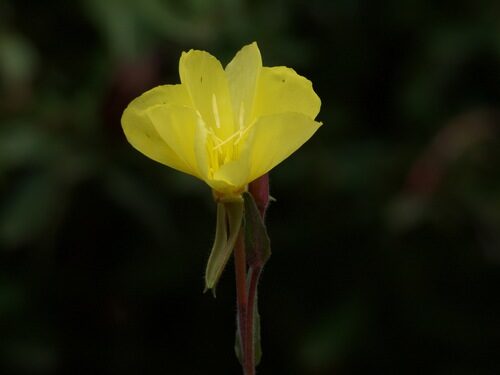
iNaturalist· cc-by-nc
(c) Don Marsille, some rights reserved (CC BY-NC), uploaded by Don Marsille
Summary
Source: WikipediaFuchsia paniculata is a plant of the genus Fuchsia native to Central America. It belongs to the section Schufia and is most closely related to Fuchsia arborescens.
Description
It is like Fuchsia magellanica. A shrub or small tree. It can be 8 m high. The leaves have teeth along the edge. They are opposite with 3-4 at each node. The flowers are at the ends of branches. The flowers are pink and very small. They are massed in large panicles. The fruit are round berries. They are deep purplish red. They are 9 mm long by 7 mm wide.
Edible Uses
The fruit is eaten raw. It is a juicy berry measuring approximately 9mm long and 7mm wide.
Medicinal Uses
None known.
Distribution
A tropical plant. It grows in evergreen cloud forest. It grows between 1.200-3,000 m above sea level. It is best in a fertile, well-drained soil.
Where It Grows
NORTHERN AMERICA: Mexico (Chiapas, Oaxaca, Puebla, Veracruz de Ignacio de la Llave) SOUTHERN AMERICA: Costa Rica, Guatemala, Nicaragua, Panama, El Salvador
Cultivation
Succeeds in any fertile well-drained circum-neutral soil. Succeeds in a good loam if sand and leafmold are added. This species is only hardy in the mildest parts of Britain, it grows well in Cornwall. The young growth in spring, even on mature plants, is frost-tender and so it is best to grow the plants in a position sheltered from the early morning sun. Plants are gynodioecious or nearly dioecious. Plants seem to be immune to the predations of rabbits.
Propagation
Sow seed as soon as it is ripe, though spring sowing is also possible. Surface sow in pots in a warm greenhouse, keeping the compost consistently moist. Germination should occur within 6 weeks. Prick seedlings out into individual pots once large enough to handle and grow on under glass for at least the first winter. Plant out in late spring or early summer after the last expected frosts. Inter-nodal greenwood cuttings 5–8cm long taken in May/June root quickly and easily with a high success rate. Overwinter rooted cuttings under glass in their first year before planting out. Inter-nodal half-ripe wood cuttings taken in July/August are equally straightforward — treat as for greenwood cuttings. Cuttings generally root successfully at any point during the growing season.
Other Uses
None known.
References (7)
- Gard. Chron. 1856:301. 1856
- Kew Plants of the World Online
- Plants for a Future database, The Field, Penpol, Lostwithiel, Cornwall, PL22 0NG, UK. http://www.scs.leeds.ac.uk/pfaf/
- Roa, J. A. G. & Boada, D. S. G., 2018, Fundación para el Fortalecimiento de la Fruticultura y Plantas Alimenticias no Convencionales en Colombia.
- Smith, N., Mori, S.A., et al, 2004, Flowering Plants of the Neotropics. Princeton. Plate 34 (Photo)
Show all 7 references Hide references
- Young, J., (Ed.), 2001, Botanica's Pocket Trees and Shrubs. Random House. p 398
- Zuchowski W., 2007, Tropical Plants of Costa Rica. A Zona Tropical Publication, Comstock Publishing. p 324