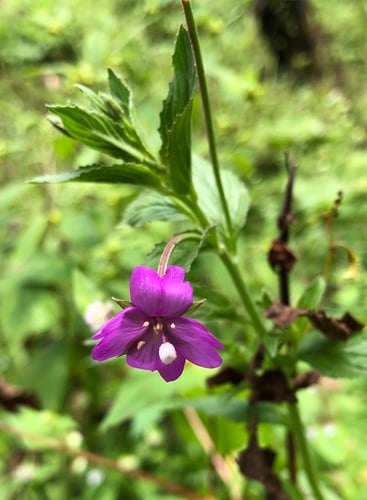
Oenothera albicaulis
Pursh.
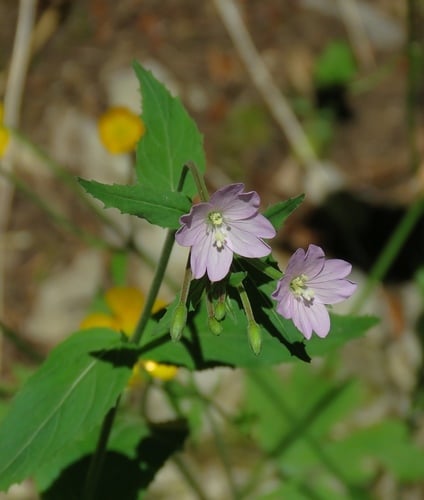
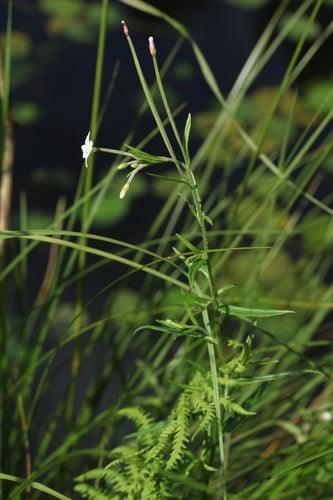
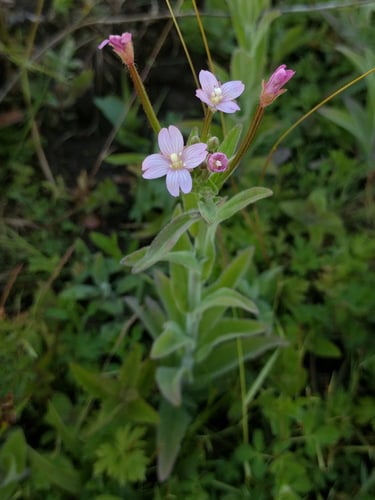
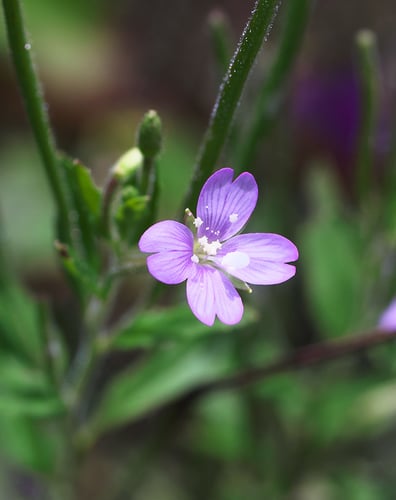
Whitest Evening Primrose
iNaturalist· cc0
no rights reserved, uploaded by Cecelia Alexander
iNaturalist· cc-by-nc
(c) jodiemontgomery, some rights reserved (CC BY-NC), uploaded by jodiemontgomery
iNaturalist· cc-by-nc
(c) Susie, some rights reserved (CC BY-NC), uploaded by Susie
Description
Oenothera albicaulis is a ANNUAL/BIENNIAL growing to 0.3 m (1ft). See above for USDA hardiness. It is hardy to UK zone 5. It is in flower in June. The species is hermaphrodite (has both male and female organs) and is pollinated by Lepidoptera (Moths & Butterflies), bees. The plant is self-fertile. It is noted for attracting wildlife. Suitable for: light (sandy) and medium (loamy) soils, prefers well-drained soil and can grow in nutritionally poor soil. Suitable pH: mildly acid, neutral and basic (mildly alkaline) soils. It cannot grow in the shade. It prefers dry or moist soil.
Edible Uses
Fruit. Another report says that the plant has an edible seedpod. The reports for edible fruit probably mean the seedpod. Seed - cooked. They can be used in soups or can be ground into a powder and then used as a gravy. Root - cooked. Too small to be a staple food, but useful in an emergency, the roots taste best in late autumn, winter and early spring. Leaves and young shoots - cooked.
Medicinal Uses
AntiphlogisticA poultice of the plant has been used to treat swellings. A decoction of the root has been drunk and used as a lotion on muscle strains.
Distribution
Western N. America - Arizona to S. Dakota and Montana.
Where It Grows
NORTHERN AMERICA: United States (South Dakota, Oklahoma, Colorado, Montana, New Mexico, Texas, Arizona, Utah), Mexico (Chihuahua)
Cultivation
Prefers a dryish well-drained sandy loam and full sun. Heavy clay soils may induce winter rots. Succeeds in poor soils. The flowers open in the evening, they are richly scented and are very attractive to moths.
Propagation
Seed - sow in situ from late spring to early summer or in the autumn.