Quillaja saponaria
Molina
Soapbark, Bois de Panama, Halava wood
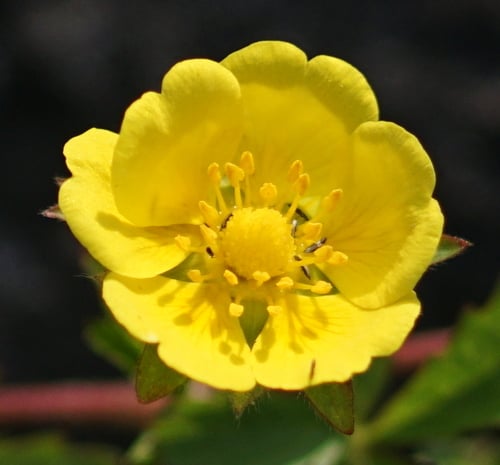
iNaturalist· cc-by-nc
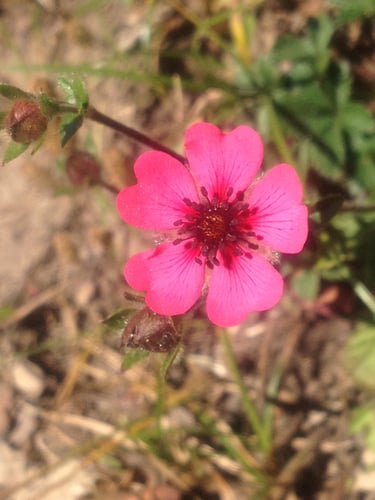
(c) katrina0020, some rights reserved (CC BY-NC)
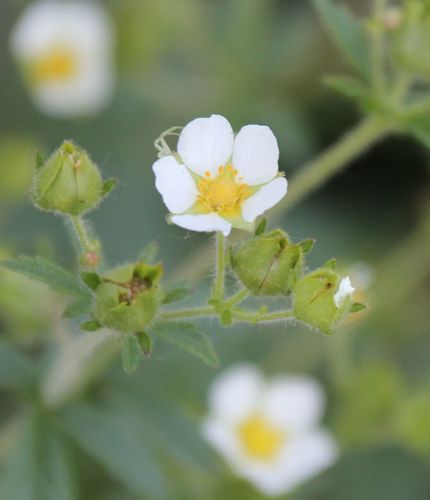
iNaturalist· cc-by-nc
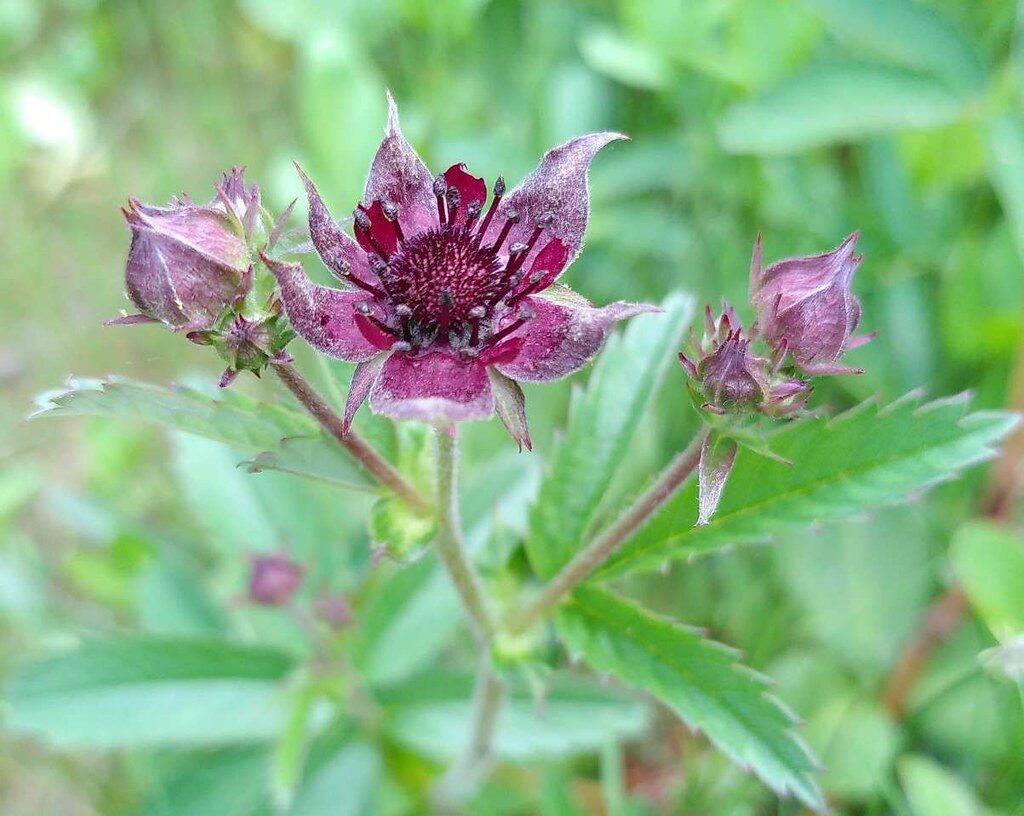
(c) katrina0020, some rights reserved (CC BY-NC)
iNaturalist· cc-by-nc
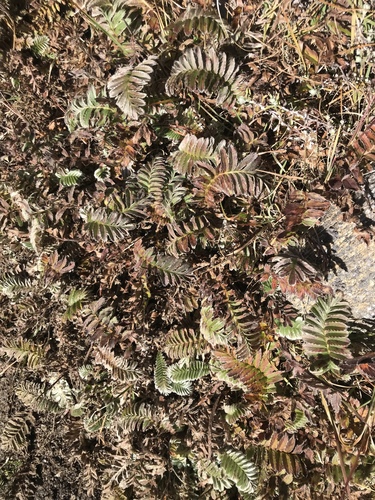
(c) rhya, some rights reserved (CC BY-NC), uploaded by rhya
Summary
Source: WikipediaQuillaja saponaria, the soap bark tree or soapbark, is an evergreen tree in the family Quillajaceae, native to warm temperate central Chile. In Chile it occurs from 32 to 40° South Latitude approximately and at up to 2000 m (6500 ft) above sea level. It can grow to 15–20 m (50–65 ft) in height. The tree has thick, dark bark; smooth, leathery, shiny, oval evergreen leaves 3–5 cm long; white star-shaped flowers 15 mm diameter borne in dense corymbs; and a dry fruit with five follicles each containing 10–20 seeds. The tree has several practical and commercial uses.
Description
A tree. It grows 15-20 m tall. The bark is thick and dark. The leaves are smooth and leathery and oval and 3-5 cm long. The flowers are white and 15 mm across. The fruit are made up of 5 dry follicles. Each contains 10-15 seeds.
Edible Uses
None known
Traditional Uses
The bark produces an extract used as a foaming and heading agent for beer. It is also used for flavouring ice cream, baked goods and drinks. The bark is mixed with citrus-flavoured sugar syrup to make a soft frothy sweet.
Medicinal Uses
Soap bark tree has a long history of medicinal use among Andean peoples, particularly for chest complaints. The saponin content of the bark stimulates the production of a more fluid mucous in the airways, making it easier to clear phlegm by coughing. It is useful for conditions involving congested catarrh in the chest, but should not be used for dry, irritable coughs. The inner bark contains around 9% complex saponins known collectively as quillajasaponin, along with calcium oxalate and tannin. It was historically used internally as a stimulating expectorant, but can cause irritation and inflammation of the digestive tract and is no longer considered safe for internal use; any such use requires careful oversight by a professional practitioner. The tree is also a source of compounds used by the pharmaceutical industry. Externally, it continues to be used as a cutaneous stimulant in the treatment of skin ulcers, eruptions, and dandruff.
Known Hazards
The plant is toxic if taken internally, tending to dissolve the blood corpuscles. The bark, and possibly other parts of the plant, contains saponins. Although toxic, saponins are very poorly absorbed by the body and so tend to pass through without causing harm, they are also destroyed by thorough cooking. Saponins are found in many plants, including several that are often used for food, such as certain beans. It is advisable not to eat large quantities of food that contain saponins. Saponins are much more toxic to some creatures, such as fish, and hunting tribes have traditionally put large quantities of them in streams, lakes etc in order to stupefy or kill the fish.
Distribution
A warm temperate plant. It can grow to 2,000 m above sea level. It is drought resistant and can tolerate cold. National Arboretum Canberra.
Where It Grows
Asia, Australia, Bolivia, Central America, Chile, India, Panama, Peru, South America,
Cultivation
Requires a well-drained fertile soil in a sunny position. Plants are hardy to about -12°c in their natural range in South America but they usually require greenhouse protection in Britain. They can succeed outdoors in the milder areas of this country, often as small shrubs but making a tree in the very mildest areas. The young growth in spring can be damaged by late frosts, so it is best to site the plant in a position sheltered from the early morning sun. This species is cultivated for the saponins in its bark in some warm temperate areas of the world.
Propagation
Sow seed in spring in a greenhouse. Prick seedlings into individual pots when large enough to handle and grow on in the greenhouse for at least their first winter. Plant out in early summer with protection from cold for at least the first winter outdoors. Cuttings of fully ripe wood from the current year's growth can be taken in November and rooted in a frame.
Other Uses
The fresh or dried inner bark is used as a soap substitute, containing around 9% saponins that make it a gentle and effective cleaner for textiles and skin. It can also be used as a hair tonic. The saponins are used in anti-dandruff shampoos, exfoliant cleansers, and as a foaming agent in fire extinguishers. The bark also contains considerable quantities of carbonate of lime.
Also Known As
Murillo's bark, Quillaja
References (5)
- Facciola, S., 1998, Cornucopia 2: a Source Book of Edible Plants. Kampong Publications, p 206
- Leon-Lobos, P., et al, 2022, Patterns of Traditional and Modern Uses of Wild Edible Native Plants of Chile: Challenges and Future Perspectives. Plants (Basel) v 11 (6) Table S1
- Sag. stor. nat. Chili 175, 354. 1782
- Wiersema, J. H. & Leon, B., 2013, World Economic Plants. A Standard Reference CRC Press. 2nd Ed. p 578
- Wikipedia