Pyrus xerophila
T. T. Yu
wikimedia· pd
Alexandre Joseph Désiré Bivort (1809-1872) (via Wikimedia Commons)
gbif· cc-by-nc-sa
MBG
Summary
Source: WikipediaPyrus xerophila is a species of flowering plant in the genus Pyrus found in China. It is a probable hybrid species resulting from crosses between Pyrus pashia (Himalayan pear), Pyrus ussuriensis (Manchurian pear), and the western domestic pear, brought together by travelers along the Silk Road. It is used as rootstock for cultivated pears, and the fruit are collected and eaten by local people.
Description
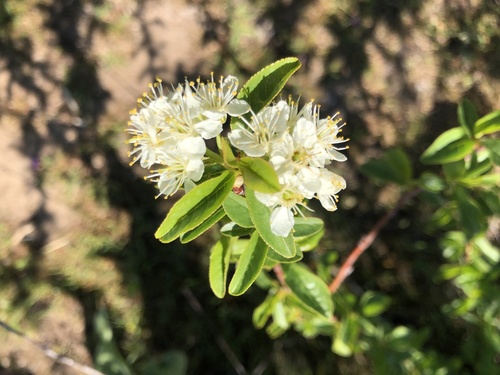
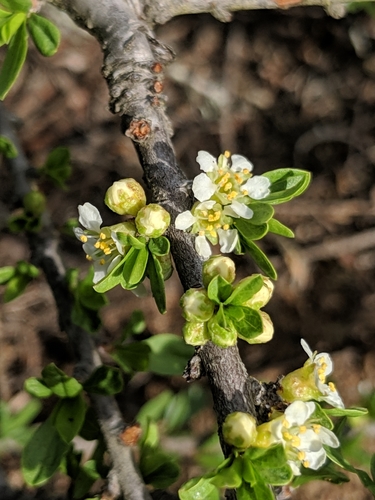
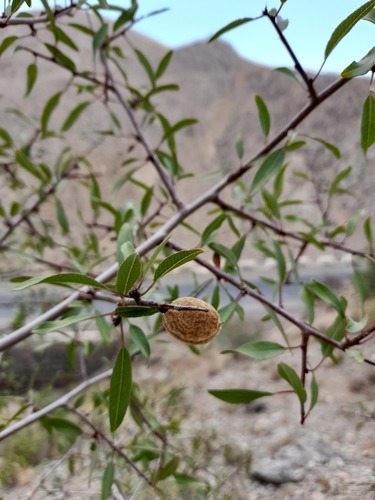
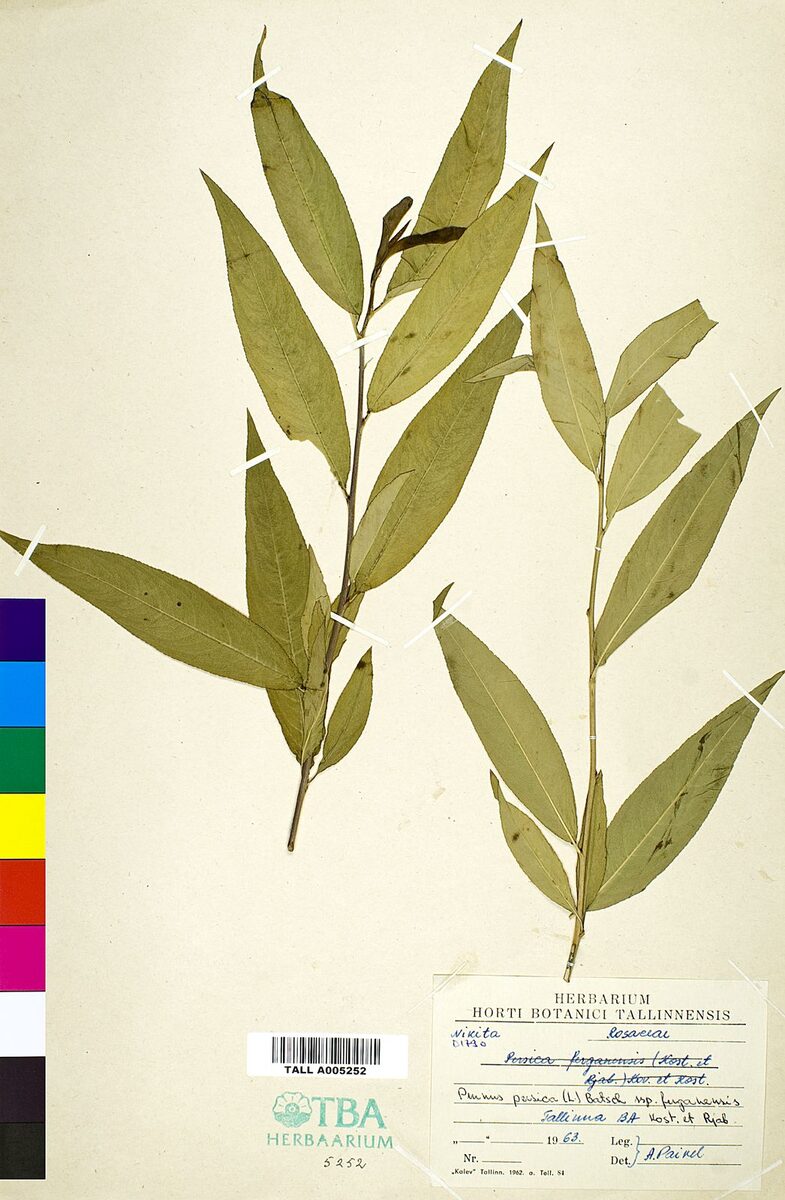
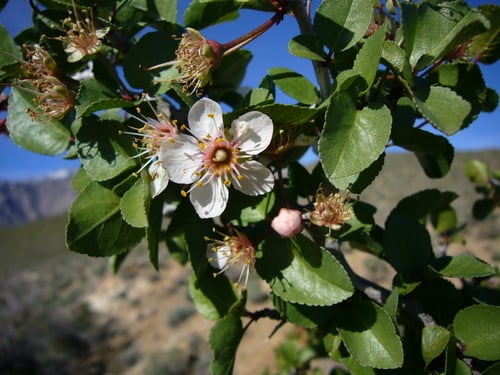
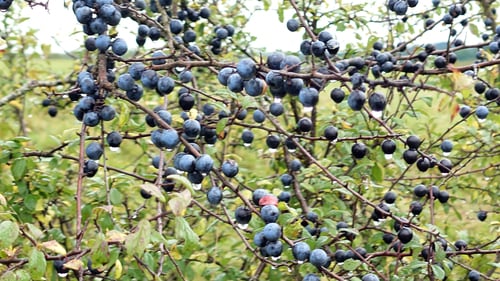
A tree. It grows 8-10 m tall. The leaves are narrowly oval and 4-7 cm long by 3-4 cm wide. There are teeth around the edge. The flowers are in groups of 3-6. The flowers are 2-3 cm across. The petals are white. The fruit is brown with a few pale dots. They are oval and 1-1.5 cm across.
Edible Uses
The ripe fruit are eaten fresh.
Traditional Uses
The ripe fruit are eaten fresh.
This uses section is brief — help expand it
Distribution
It is a temperate plant. It grows in forests between 500-2,000 m above sea level. In Yunnan.
Where It Grows
Asia, China, Tibet,
Also Known As
A pei pei zi zuo, Mali, Shanli, Yeli, Ye suan li
References (5)
- INFOODS:FAO/INFOODS Databases
- Kang, Y., et al, 2012, Wild food plants and wild edible fungi in two valleys on the Qinling Mountains (Shaanxi, central China) Journal of Ethnobiology and Ethnomedicine; 9:26
- Kang, Y., et al, 2014, Wild food plants used by the Tibetans of Gongba Valley (Zouqu country, Gansu, China) Journal of Ethnobiology and Ethnomedicine 10:20
- Luo, B., et al, 2019, Wild edible plants collected by Hani from terraced rice paddy agroecosystem in Honghe Prefecture, Yunnan, China. Journal of Ethnobiology and Ethnomedicine 15:56
- www.efloras.org Flora of China Volume 9