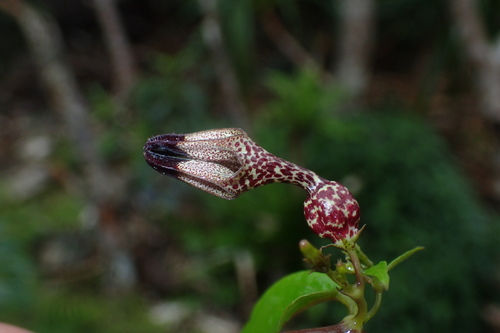
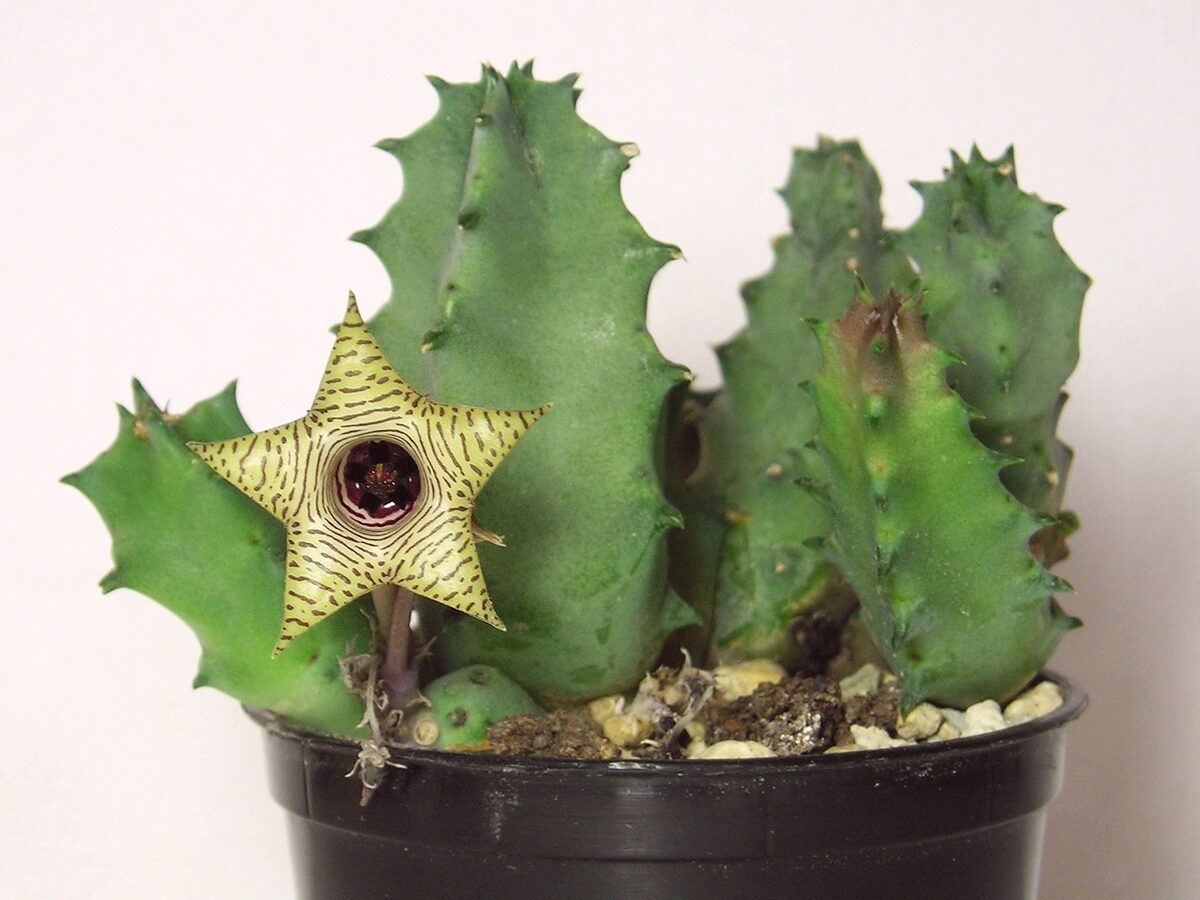
Asclepias viridiflora
Raf.
Green milkweed
iNaturalist· cc-by-sa
(c) davecz2, some rights reserved (CC BY-SA), uploaded by davecz2
iNaturalist· cc-by-nc
(c) Donald F. Recklies, some rights reserved (CC BY-NC), uploaded by Donald F. Recklies
iNaturalist· cc-by-nc-sa
(c) dogtooth77, some rights reserved (CC BY-NC-SA)
Summary
Source: WikipediaAsclepias viridiflora, is commonly known as green comet milkweed, green-flower milkweed, and green milkweed. It is a widely distributed species of milkweed (Asclepias), known from much of the eastern and central United States from Connecticut to Georgia to Arizona to Montana, as well as southern Canada and northern Mexico. The Latin specific epithet viridiflora means green-flowered. Asclepias viridiflora is an erect to ascending herb up to 50 cm tall, with distinctive greenish-white flowers. The pods lack the warts and tubercules common on other species of Asclepias. It grows in moist to dry shaded roadsides, fields, and prairies.
Description
Perennial growing 1 m tall by 1 m wide. Flowers July to August with seeds ripening August to October. Hermaphrodite, pollinated by bees, insects, and butterflies. Attracts wildlife. Grows in light sandy and medium loamy soils, prefers well-drained conditions. Tolerates mildly acid to basic pH. Can grow in semi-shade or full sun, adapts to dry or moist soil.
Edible Uses
Edible Parts: Flowers Leaves Oil Oil Root Seed Seedpod Shoots Edible Uses: Gum Oil Oil Sweetener The root can be dried and stored for use as a flavouring in soups. The following reports refer to other members of this genus and are possibly also appropriate for this species. Unopened flower buds - cooked. They taste somewhat like peas. They are used like broccoli. Flowers and young flower buds - cooked. Used as a flavouring and a thickener in soups etc. The flower clusters can be boiled down to make a sugary syrup. The flowers are harvested in the early morning with the dew still on them. When boiled up it makes a brown sugar. Young shoots - cooked. An asparagus substitute. They should be used when less than 20cm tall. A slightly bitter taste. Tips of older shoots are cooked like spinach. Young seed pods, 3 - 4 cm long, cooked. They are very appetizing. Best used when about 2 - 4cm long and before the seed floss forms, on older pods remove any seed floss before cooking them. If picked at the right time, the pods resemble okra. The sprouted seeds can be eaten. An edible oil is obtained from the seed. The latex in the stems is made into a chewing gum. It is found mainly in the leaves and is destroyed by frost. Yields are higher on dry soils.
Medicinal Uses
Antirheumatic Galactogogue Ophthalmic Poultice A poultice made from the chewed roots can be applied to rashes, a nursing baby's sore gums and rheumatic joints. It can also be used as a poultice on sore eyes. The root can also be chewed as a treatment for sore throats whilst an infusion has been used to treat diarrhoea in children. An infusion of the whole plant has been used to increase the milk flow of a nursing mother.
Known Hazards
Although no specific reports have been seen for this species, many, if not all, members of this genus contain toxic resinoids, alkaloids and cardiac glycosides. They are usually avoided by grazing animals.
Distribution
It is a temperate and tropical plant.
Where It Grows
Central America, Mexico, North America, USA,
Cultivation
Succeeds in any good soil. Prefers a well-drained light rich or peaty soil. Requires a moist peaty soil and a sunny position. A good bee plant. The flower of many members of this genus can trap insects between its anther cells, the struggles of the insect in escaping ensure the pollination of the plant. Many members of this genus seem to be particularly prone to damage by slugs. The young growth in spring is especially vulnerable, but older growth is also attacked and even well-established plants have been destroyed in wet years. Plants resent root disturbance and are best planted into their final positions whilst small.
Propagation
Seed - best sown in a greenhouse as soon as it is ripe in the autumn or in late winter. We have also had good results from sowing the seed in the greenhouse in early spring, though stored seed might need 2 - 3 weeks cold stratification. Germination usually takes place in 1 - 3 months at 18°c. As soon as the seedlings are large enough to handle, prick them out into individual pots and grow them on in the greenhouse for their first winter. Plant out when they are in active growth in late spring or early summer and give them some protection from slugs until they are growing away strongly. Division in spring. With great care since the plant resents root disturbance. Pot the divisions up and place them in a lightly shaded position in the greenhouse until they are growing away strongly, then plant them out in the summer, giving them some protection from slugs until they are established.. Basal cuttings in late spring. Use shoots about 10cm long with as much of their white underground stem as possible. Pot them up individually and place them in a lightly shaded position in a greenhouse until they are rooting and growing actively. If the plants grow sufficiently, they can be put into their permanent positions in the summer, otherwise keep them in the greenhouse until the following spring and when they are in active growth plant them out into their permanent positions. Give them some protection from slugs until they are established.
Other Uses
Fibre Gum Latex Oil Oil Pollution Stuffing Wick The following reports refer to other members of this genus and are possibly also appropriate for this species. A good quality fibre is obtained from the bark, used in making twine, cloth, paper etc. It is of poor quality in wet seasons. It is easily harvested in late autumn after the plant has died down by simply pulling the fibres off the dried stems. The seed floss is used to stuff pillows etc or is mixed with other fibres to make cloth. It is a Kapok substitute, used in Life Jackets or as a stuffing material. Very water repellent, it can yield up to 550 kilos per hectare. The floss has also been used to mop up oil spills at sea. Candlewicks can be made from the seed floss. Rubber can be made from latex contained in the leaves and the stems. It is found mainly in the leaves and is destroyed by frost. Yields are higher on dry soils. Pods contain an oil and a wax which are of potential importance. The seed contains up to 20% of an edible semi-drying oil. It is also used in making liquid soap. Special Uses Attracts Wildlife
Notes
There are 100 Asclepias species.
Synonyms
References (1)
- Plants for a Future database, The Field, Penpol, Lostwithiel, Cornwall, PL22 0NG, UK. http://www.scs.leeds.ac.uk/pfaf/