Asclepias verticillata
L.
Bedstraw milkweed
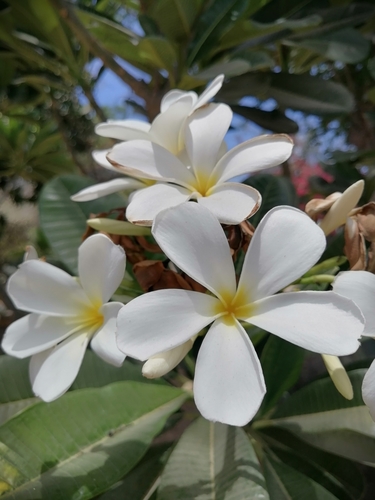
iNaturalist· cc-by-nc
(c) eknuth, some rights reserved (CC BY-NC), uploaded by eknuth
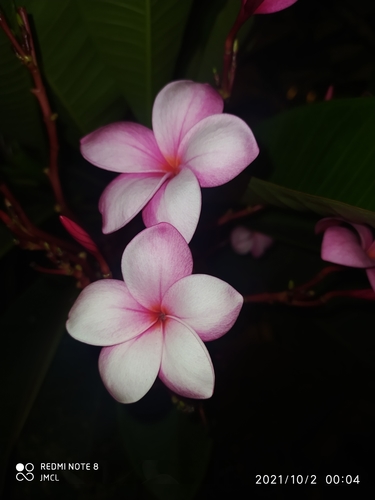
iNaturalist· cc-by-nc
(c) jaege202, some rights reserved (CC BY-NC)
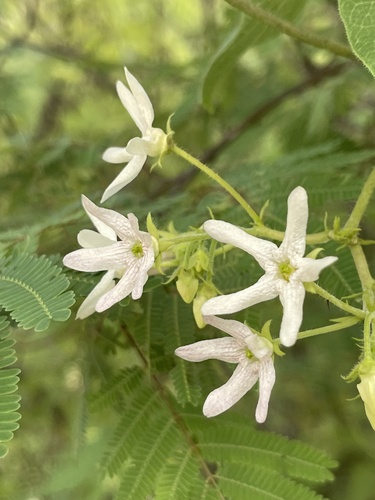
iNaturalist· cc-by-nc
(c) Scott King, some rights reserved (CC BY-NC)
Summary
Source: WikipediaAsclepias verticillata, the whorled milkweed, eastern whorled milkweed, or horsetail milkweed, is a species of milkweed native to most of eastern North America and parts of western Canada and the United States.
Description
A temperate to tropical herb growing 10 cm tall in the family Apocynaceae.
This description is brief — help expand it
Edible Uses
Young buds are eaten.
Traditional Uses
The young buds are eaten.
This uses section is brief — help expand it
Medicinal Uses
It was used as a medicinal plant by Native American peoples. The Choctaw used it to treat snakebite, the Lakota and Hopi used it to increase breast milk in nursing mothers, and the Navajo used it for nose and throat problems.
Known Hazards
This species can reproduce vegetatively and does not depend on pollinators, but it does produce some nectar, mostly in the early evening hours. Insect visitors to the plant include wasps, honeybees, and lepidopterans such as moths and the cabbage white. Like other milkweed species, this plant is a host plant for the monarch butterfly whose caterpillars feed on the leaves. The plant is toxic to livestock.
Distribution
It is a temperate to tropical plant.
Where It Grows
Central America, Mexico, North America, USA,
Cultivation
Plants can be grown from seed or cuttings.
Notes
There are 100 Asclepias species.
Synonyms
References (2)
- Beckstrom-Sternberg, Stephen M., and James A. Duke. "The Foodplant Database." http://probe.nalusda.gov:8300/cgi-bin/browse/foodplantdb.(ACEDB version 4.0 - data version July 1994) (As Asclepias galioides)
- Plants for a Future database, The Field, Penpol, Lostwithiel, Cornwall, PL22 0NG, UK. http://www.scs.leeds.ac.uk/pfaf/ (As Asclepias galioides)