Filipendula multijuga
Maxim.
Meadowsweet
iNaturalist· cc-by-nc
(c) 空猫 T. N, some rights reserved (CC BY-NC)
iNaturalist· cc-by-nc
(c) 空猫 T. N, some rights reserved (CC BY-NC)
iNaturalist· cc-by-nc
(c) 空猫 T. N, some rights reserved (CC BY-NC)
Summary
Source: WikipediaFilipendula multijuga is a species of plant in the family Rosaceae that is native to Japan.
Description
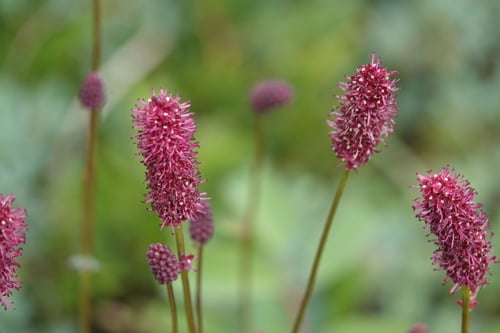
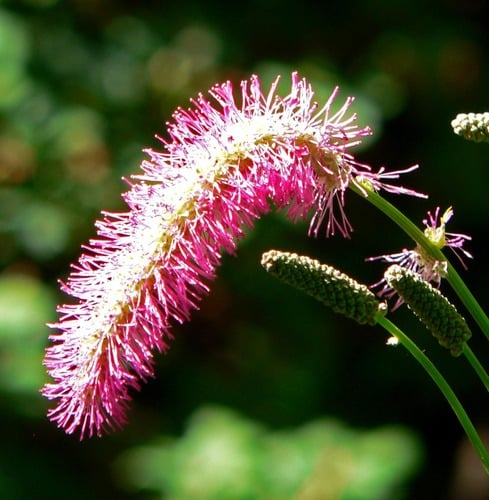
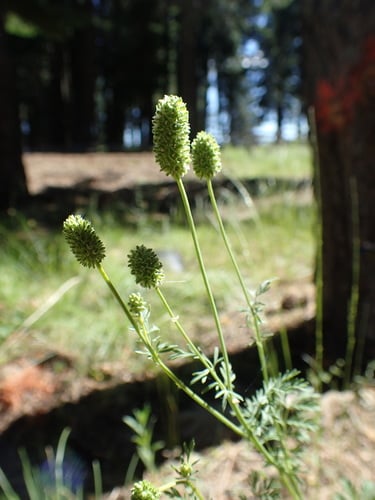
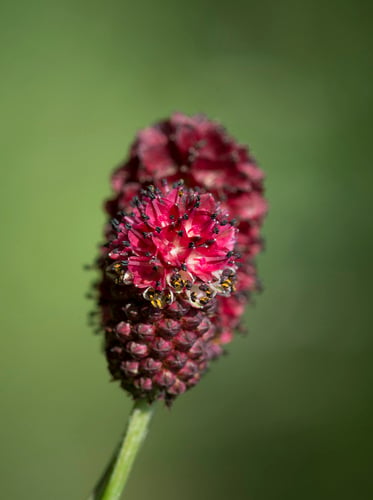
A herb. It grows 1.2 m tall. The leaves are palm shaped. The flowers are fluffy and pink.
This description is brief — help expand it
Edible Uses
Young shoot tips are eaten cooked.
Traditional Uses
The young tips are boiled and then used for salads, soups or baked.
This uses section is brief — help expand it
Medicinal Uses
None known.
Distribution
It is a temperate plant. It suits a moist slightly shady location. It suits USDA hardiness zones 5-9.
Where It Grows
Asia, Japan,
Cultivation
Requires a humus-rich moist soil in semi-shade. Succeeds in full sun only if the soil is reliably moist throughout the growing season. Dislikes dry or acid soils. Does well in marshy soils. Grows well in heavy clay soils. A very ornamental plant. The flowers are very attractive to bees. Members of this genus are rarely if ever troubled by browsing deer.
Propagation
Sow seed in autumn in a cold frame, or in spring at a germination temperature of 10–13°C. Prick seedlings into individual pots once large enough to handle and plant out in summer if sufficiently established, otherwise overwinter in a cold frame and plant out in late spring. Divide in autumn or winter — larger clumps can go directly into permanent positions, while smaller ones are better potted and grown on in a cold frame until rooting well, then planted out in spring.
Other Uses
None known.
Other Information
It is a cultivated plant.
Notes
There are about 10 Filipendula species.
Synonyms
Also Known As
Shimotsuke-so
References (2)
- Mansfield
- Plants for a Future database, The Field, Penpol, Lostwithiel, Cornwall, PL22 0NG, UK. http://www.scs.leeds.ac.uk/pfaf/