Rubus idaeus subsp. melanolasius
L., (Dieck) Focke
iNaturalist· cc-by-sa
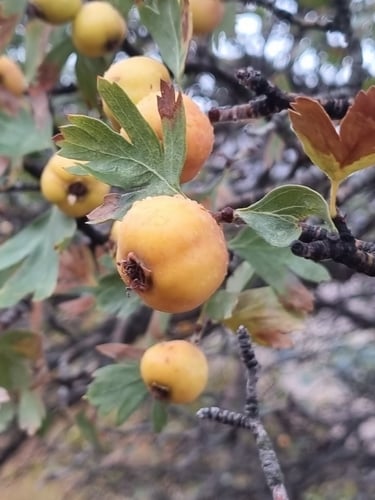
(c) Ole Husby, some rights reserved (CC BY-SA)
iNaturalist· cc-by-nc
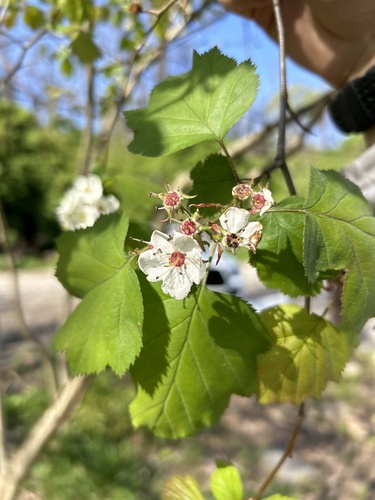
(c) Erika Mitchell, some rights reserved (CC BY-NC), uploaded by Erika Mitchell
iNaturalist· cc-by-sa
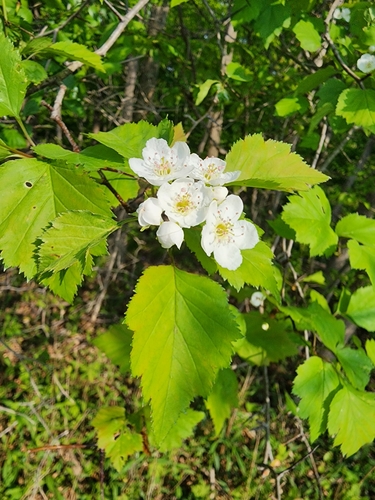
(c) Douglas Goldman, some rights reserved (CC BY-SA), uploaded by Douglas Goldman
Summary
Source: WikipediaRubus idaeus (raspberry, also called red raspberry or occasionally European red raspberry to distinguish it from other raspberry species) is a red-fruited species of Rubus native to Europe and northern Asia and commonly cultivated in other temperate regions.
Description
A shrub in the rose family (Rosaceae) that produces edible fruit; one of approximately 250 Rubus species found in temperate regions.
This description is brief — help expand it
Edible Uses
The fruit are made into jam or jelly.
Traditional Uses
The fruit are made into jam or jelly.
This uses section is brief — help expand it
Distribution
It is a temperate plant.
Where It Grows
Alaska, North America, USA,
Notes
There are about 250 Rubus species.
Dangerous Lookalikes
This plant can be confused with the following toxic species. Always verify identification carefully before consuming any wild plant.
Red Baneberry
Actaea rubra
Walter Siegmund (talk)
Rubus idaeus subsp. melanolasius
Rubus idaeus subsp. melanolasius
(c) Ole Husby, some rights reserved (CC BY-SA)
Red Baneberry: Short herbaceous plant (no thorns), berries on thick red stems, each berry has a single seed, compound sharply-toothed leaves.
Rubus idaeus subsp. melanolasius: Thorny woody canes (brambles), aggregate berry made of many drupelets, berries pull easily from receptacle.
References (2)
- Beckstrom-Sternberg, Stephen M., and James A. Duke. "The Foodplant Database." http://probe.nalusda.gov:8300/cgi-bin/browse/foodplantdb.(ACEDB version 4.0 - data version July 1994)
- Holloway, P. S. & Alexander, G., 1990, Ethnobotany of the Fort Yukon Region, Alaska. Economic Botany, Vol. 44, No. 2 pp. 214-225