Rubus idaeus var. strigosus
(Michx.) Maxim.
Red raspberry
iNaturalist· cc-by-sa
(c) Douglas Goldman, some rights reserved (CC BY-SA), uploaded by Douglas Goldman
Summary
Source: WikipediaRubus idaeus (raspberry, also called red raspberry or occasionally European red raspberry to distinguish it from other raspberry species) is a red-fruited species of Rubus native to Europe and northern Asia and commonly cultivated in other temperate regions.
Description
A raspberry. It is a shrub that has rhizomes. The stems can be 1.7 m long. Canes last 2 years. The leaves have 3-5 leaflets arranged like fingers on a hand. The fruit are red when ripe.
Edible Uses
The red fruit are eaten fresh and used to make jams, sauces, and wine.
Traditional Uses
The fruit are eaten fresh and used for jams, sauces and wine.
This uses section is brief — help expand it
Distribution
It is a temperate plant. It suits hardiness zones 2-6.
Where It Grows
North America, USA,
Notes
There are about 250 Rubus species.
Dangerous Lookalikes
This plant can be confused with the following toxic species. Always verify identification carefully before consuming any wild plant.
Red Baneberry
Actaea rubra
Walter Siegmund (talk)
Red raspberry
Rubus idaeus var. strigosus
(c) Douglas Goldman, some rights reserved (CC BY-SA), uploaded by Douglas Goldman
Red Baneberry: Short herbaceous plant (no thorns), berries on thick red stems, each berry has a single seed, compound sharply-toothed leaves.
Red raspberry: Thorny woody canes (brambles), aggregate berry made of many drupelets, berries pull easily from receptacle.
References (7)
- Bull. Acad. Imp. Sci. St.-Petersbourg 17:161; Melanges Biol. Bull.Phys.-Math.Acad.Imp.Sci.Saint-Petersbourg 8:394. 1872
- Elias, T.S. & Dykeman P.A., 1990, Edible Wild Plants. A North American Field guide. Sterling, New York p 180
- Fisk, J. R. & Hoover, E., 2015, Wild Fruits of Minnesota. A Field Guide. University of Minnesota p 18
- Jackes, D. A., 2007, Edible Forest Gardens
- Kermath, B. M., et al, 2014, Food Plants in the Americas: A survey of the domesticated, cultivated and wild plants used for Human food in North, Central and South America and the Caribbean. On line draft. p 762
Show all 7 references Hide references
- Moerman, D. F., 2010, Native American Ethnobotany. Timber Press. p 489
- Toupal, R. S. & Hollenback, K., 2009, An Ethnobotany of Indiana Dunes National Lakeshore: Plant Uses of the Ojibwa People. Bureau of Applied Research in Anthropology. University of Arizona
More from Rosaceae
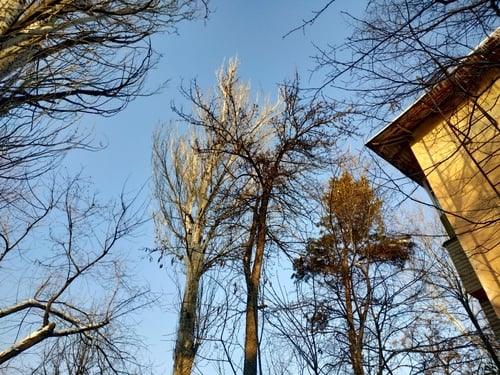
Pyrus turcomanica
Turkmen pear-tree
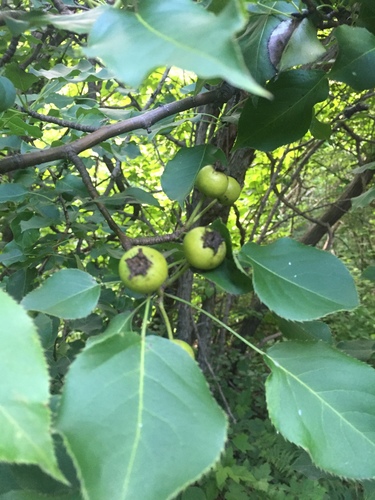
Pyrus ussuriensis
Chinese Asian pear, Manchurian Pear, Mongolian pear, Ussurian pear, Chinese white pear, Harbin pear
Pyrus ussuriensis ovoidea - (Rehder.)Rehder.
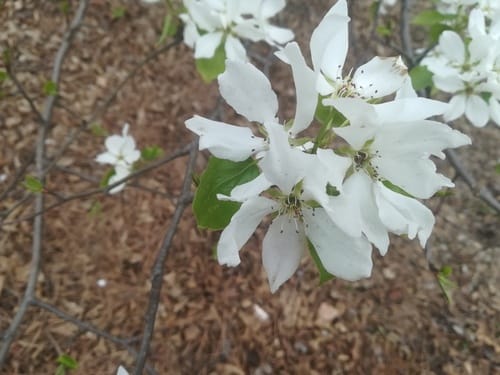
Pyrus ussuriensis var. ovoidea
Chinese Pear, True Manchurian pear
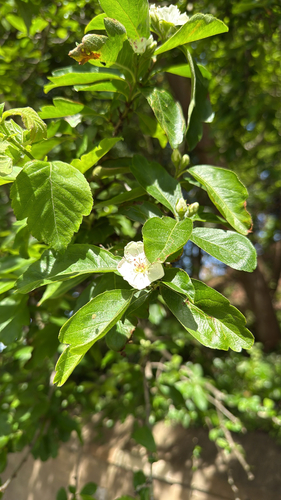
Pyrus x domestica
Pear
Pyrus x lecontei
Southern-cross pear