Ficus lacor
Buch.-Ham.
Cunningham’s Fig, Elephant fig
iNaturalist· cc-by-nc
(c) Bikram Gyawali, some rights reserved (CC BY-NC), uploaded by Bikram Gyawali
Summary
Source: WikipediaFicus lacor is a large evergreen tree of the family Moraceae, native to Asia and Australia. It is the city tree of Chongqing. It is a good fodder species. Ceremonial, edible and fodder. Young buds (Surulo) are used in making pickles. Seeds are tonic in nature and used in treatment of stomach disorder.
Description
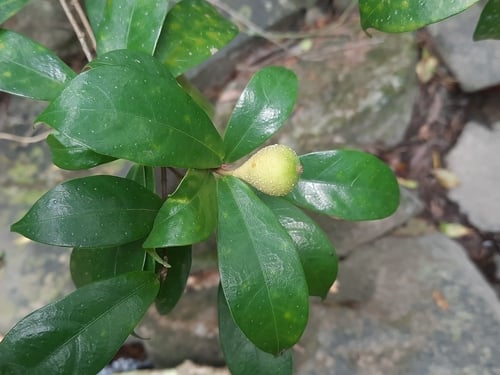
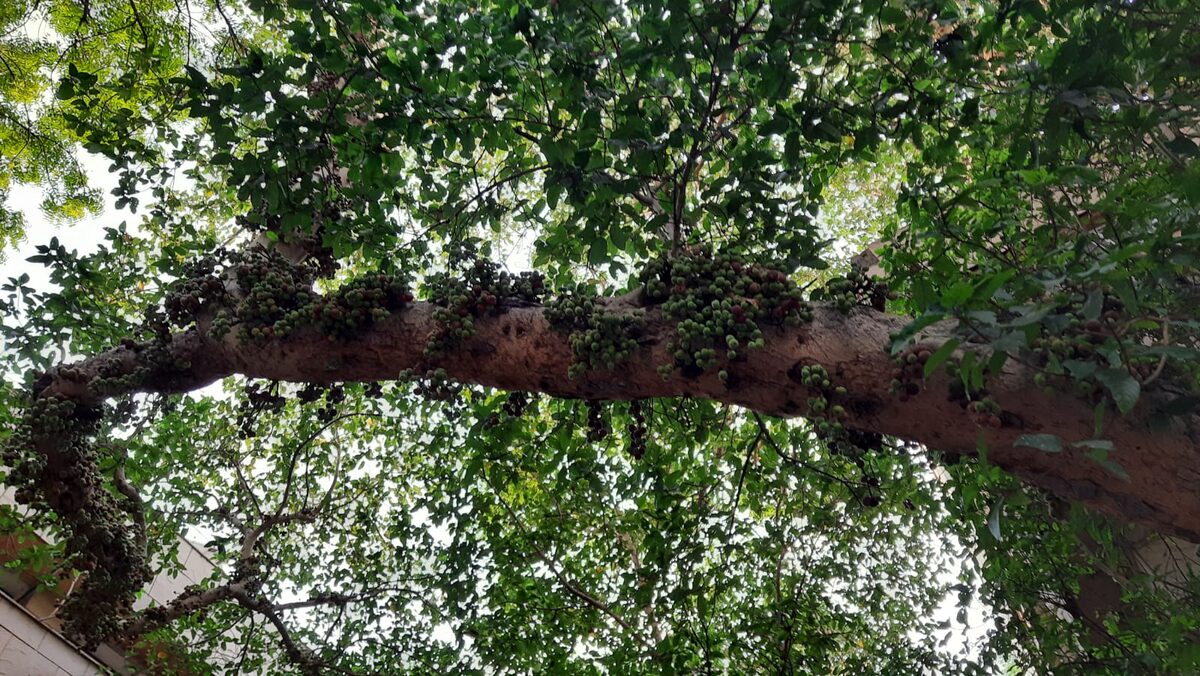
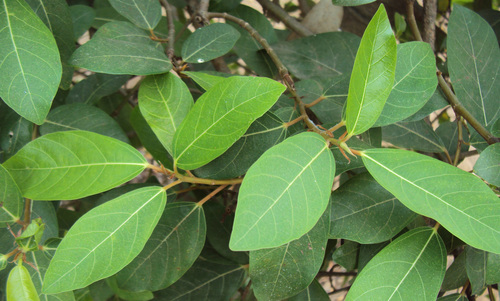
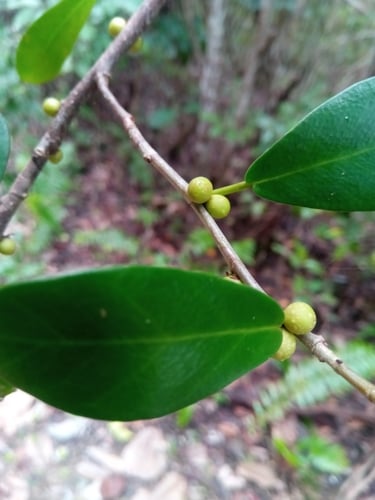
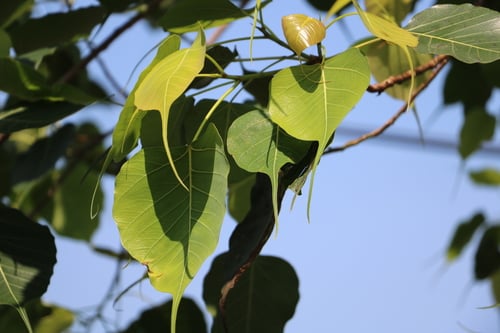
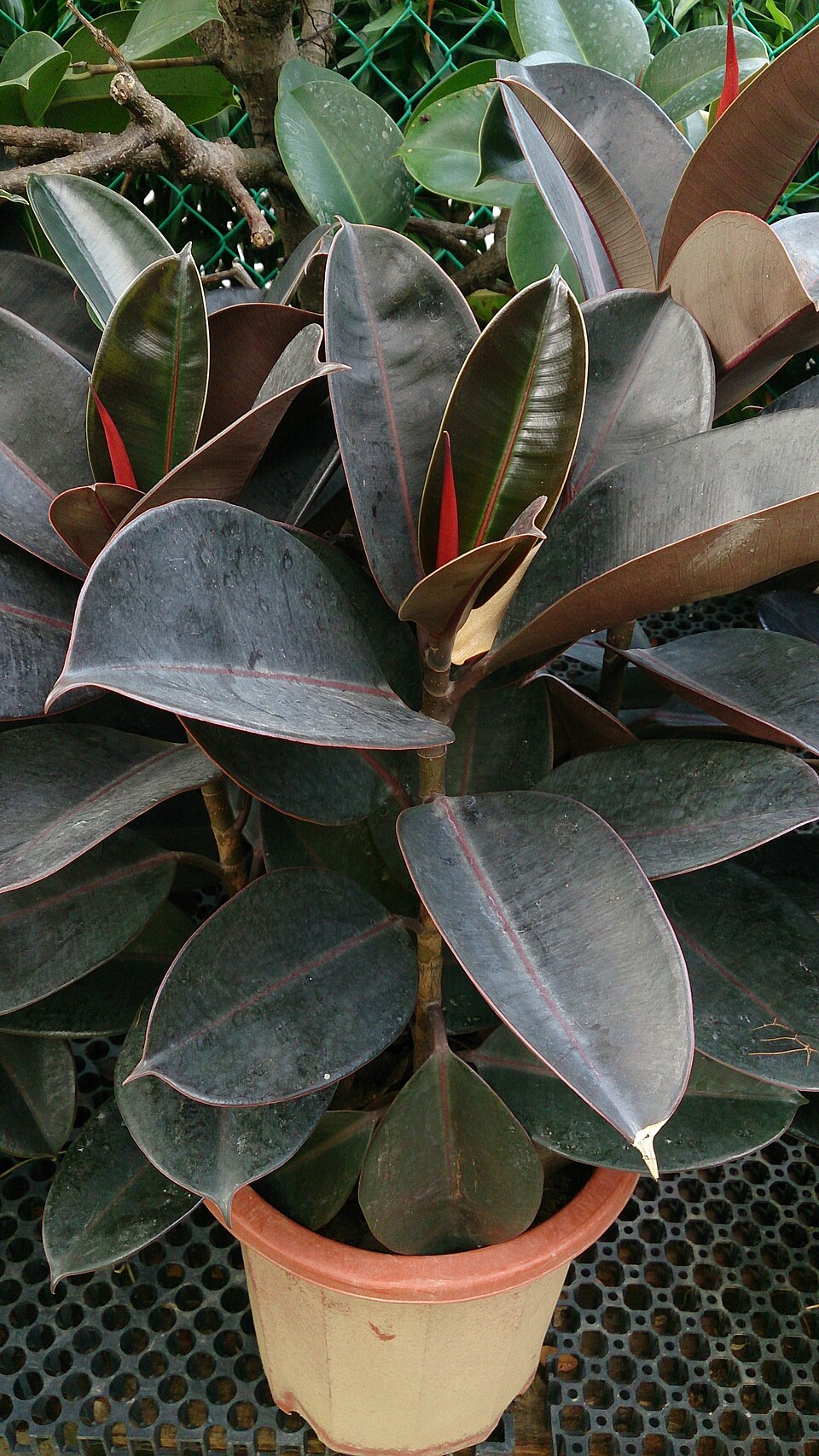
A fig. It is an evergreen tree. It can grow attached to other trees. It grows to 20 m high. The trunk can be 20-40 cm across. The branches droop. The bark is brownish grey. The leaves are oval narrowing to the tip. They are slightly crinkled. They are 7-18 cm long. They are light green or pinkish when young. New leaves are covered by sheaths which fall off. The flowers occur inside the fig receptacle. The fruit are round. They are 2 cm across. They are pinkish.
Edible Uses
Young shoots are cooked and eaten in curries with coconut milk and salted fish. Young leaves have a sour taste and can be eaten raw, boiled, or pickled. Young figs are eaten raw or mixed with fresh vegetables.
Traditional Uses
The young shoots are cooked and eaten. They are eaten in curries and with coconut milk and salted fish curry. The young leaves have a sour taste and can be eaten raw or boiled. They are also used for pickles. The young figs are eaten raw. They are also mixed with fresh raw vegetables.
Distribution
It is a tropical plant. It requires light and humidity. It occurs along streams and in valleys. It is only found below 700 m altitude in Vietnam. In Nepal it grows to about 500 m altitude.
Where It Grows
Asia, Australia, Himalayas, India, Indochina, Laos, Malaysia, Myanmar, Nepal, SE Asia, Thailand, Vietnam,
Cultivation
Plants can be grown from seeds or by cuttings.
Notes
There are about 800-1000 Ficus species. They are mostly in the tropics. There are 120 Ficus species in tropical America.
Synonyms
Also Known As
Ako, Hpak-hi, Kabhro, Kabra, Kabro, Kachimal, Kapado, Kapro, Kavra, Kavro, Kushar, Liap, Naung-gyin, Pakad, Pakadi, Pakadia, Phak hueat
References (17)
- Acharya K. P. and Acharya, R., 2010, Eating from the Wild: Indigenous knowledge on wild edible plants in Parroha VDC of Rupandehi District, Central Nepal. International Journal of Social Forestry. 3(1):28-48
- Bodkin, F., 1991, Encyclopedia Botanica. Cornstalk publishing, p 473
- Dangol, D. R. et al, 2017, Wild Edible Plants in Nepal. Proceedings of 2nd National Workshop on CUAOGR, 2017.
- Facciola, S., 1998, Cornucopia 2: a Source Book of Edible Plants. Kampong Publications, p 155
- Forest Inventory and Planning Institute, 1996, Vietnam Forest Trees. Agriculture Publishing House p 548
Show all 17 references Hide references
- Ghimeray, A. K., Lamsal, K., et al, 2010, Wild edible angiospermic plants of the Illam Hills (Eastern Nepal) and their mode of use by local community. Korean J. Pl. Taxon. 40(1)
- Aryal, K. P., et al, 2018, Diversity and use of wild and non-cultivated edible plants in the Western Himalaya. Journal of Ethnobiology and Ethnomedicine (2018) 14:10
- Jacquat, C., 1990, Plants from the Markets of Thailand. D.K. Book House p 66
- Joshi, N., et al, 2007, Traditional neglected vegetables of Nepal: Their sustainable utilization for meeting human needs. Tropentag 2007. Conference on International Agricultural Research for Development.
- Joshi, N. & Siwakoti, M., 2012, Wild Vegetables Used by Local Community of Makawanpur District and Their Contribution to Food Security and Income Generation. Nepal Journal of Science and Technology Vol. 13, No. 1 (2012) 59-66
- Kunwar, R. M., & Bussmann, R. A., 2006, Ficus (Fig) species in Nepal: a review of diversity and indigenous uses. Lyonia 11(1)
- Manandhar, N.P., 2002, Plants and People of Nepal. Timber Press. Portland, Oregon. p 233
- Singh, A. G., Panthi, M. P., & Tewari, D. D., 2012, Wild Plants Used as Vegetable in Rupandehi District of Nepal and their Ethnomedicinal Importance. J. Nat. Hist. Mus. Vol. 26, 2012, 111-125
- Thapa, L. B., et al, 2014, Wild Edible Plants used by endangered and Indigenous Raji Tribe in Western Nepal. International Journal of Applied Sciences and Biotechnology. Vol 2(3):243-252
- Trans. Linn. Soc. London 15:150. 1827
- Uprety, Y., et al, 2010, Non-timber Forest Products in Bardiya District of Nepal: Indigenous Use, Trade and Conservation. J Hum Ecol, 30(3): 143-158
- Uprety, Y., et al, 2012, Diversity of use and local knowledge of wild edible plant resources in Nepal. Journal of Ethnobotany and Ethnomedicine 8:16