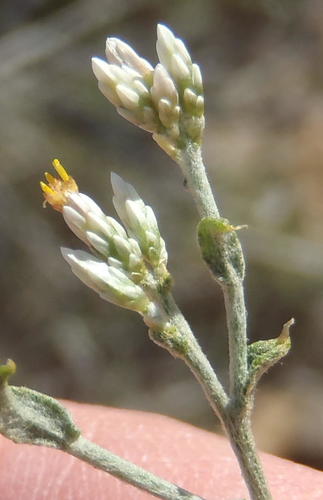
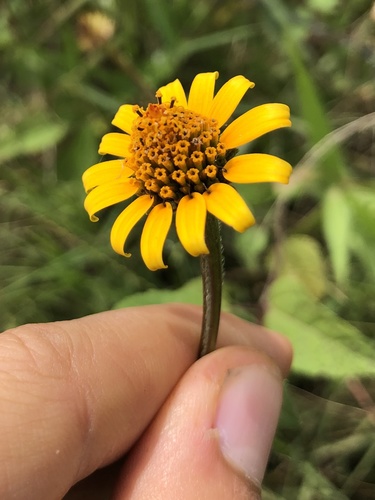
Taraxacum megalorrhizon - (Forssk.)Hand
(Forssk.)Hand-Mazz.
gbif· cc-by-nc
jltasset
gbif· cc-by-nc
jltasset
gbif· cc-by-nc
jltasset
Description
Taraxacum megalorrhizon is a PERENNIAL growing to 0.2 m (0ft 8in). See above for USDA hardiness. It is hardy to UK zone 5. The species is hermaphrodite (has both male and female organs) and is pollinated by Insects. The plant is self-fertile. Suitable for: light (sandy), medium (loamy) and heavy (clay) soils and prefers well-drained soil. Suitable pH: mildly acid, neutral and basic (mildly alkaline) soils. It can grow in semi-shade (light woodland) or no shade. It prefers moist soil.
Edible Uses
Tea. Leaves - raw or cooked. The following uses are also probably applicable to this species, though we have no records for them Root - cooked. Flowers - raw or cooked. The unopened flower buds can be used in fritters. The whole plant is dried and used as a tea. A pleasant tea is made from the flowers. The leaves and the roots can also be used to make tea. The root is dried and roasted to make a coffee substitute.
Distribution
S. Europe.
Where It Grows
TEMPERATE ASIA: Turkey EUROPE: Ukraine, Former Yugoslavia, Albania, Bulgaria, Greece (incl. Crete), Italy (incl. Sardinia), Spain, France (incl. Corsica), Portugal AFRICA: Tunisia
Cultivation
Prefers a well-drained humus-rich soil in full sun or light shade. According to one report this species reproduces apomictically and sexually, whilst another report says that only apomictic seed production is undergone. Apomixy is an asexual method of seed production where each seed is genetically identical to the parent plant. Occasionally seed is produced sexually, the resulting seedlings are somewhat different to the parent plants and if these plants are sufficiently distinct from the parents and then produce apomictic seedlings these seedlings are, in theory at least, a new species.
Propagation
Seed - sow spring in a cold frame and either surface-sow or only just cover the seed. Make sure the compost does not dry out. Germination should take place within 2 weeks. Prick out the seedlings into individual pots when they are large enough to handle, choosing relatively deep pots to accommodate the tap root. Plant them out in early summer. Division in early spring as the plant comes into growth.
Other Uses
LatexA latex obtained from the roots is used to make a high-class rubber.