Spiraea henryi
Hemsl.
iNaturalist· cc-by-nc
(c) 丁洪波, some rights reserved (CC BY-NC), uploaded by 丁洪波
iNaturalist· cc-by-nc
(c) Oleksandr Shynder, some rights reserved (CC BY-NC), uploaded by Oleksandr Shynder
Description
Spiraea henryi is a deciduous Shrub growing to 3 m (9ft 10in). See above for USDA hardiness. It is hardy to UK zone 6. It is in flower from July to August, and the seeds ripen from September to October. The species is hermaphrodite (has both male and female organs) and is pollinated by Insects. Suitable for: light (sandy), medium (loamy) and heavy (clay) soils. Suitable pH: mildly acid, neutral and basic (mildly alkaline) soils. It cannot grow in the shade. It prefers moist soil.
Edible Uses
A tea is made from the leaves.
Distribution
E. Asia - C. and W. China.
Where It Grows
TEMPERATE ASIA: China (Gansu Sheng, Guizhou Sheng, Henan Sheng, Hubei Sheng, Shaanxi Sheng, Sichuan Sheng, Yunnan Sheng)
Cultivation
Tolerates most soils, but prefers a good loamy soil, abundant moisture and full sunlight. Hybridizes freely with other members of this genus. A very ornamental plant, it is closely related to S. wilsonii. and to S. canescens.
Propagation
Seed - we have no information for this species but suggest sowing the seed as soon as it is ripe in a cold frame if possible. It is likely to require stratification before it germinates, so stored seed should be sown in a cold frame as early in the year as you receive it. Prick out the seedlings into individual pots when they are large enough to handle, and grow them on in a cold frame for their first winter. Plant them out in late spring or early summer of the following year. Cuttings of half-ripe wood, July/August in a light sandy soil a frame. Cuttings of mature wood of the current seasons growth, 15cm long, October/November in an outdoor frame. Another report says that September is a good time to do this. Division of suckers in early spring. They can be planted out straight into their permanent positions.
More from Rosaceae
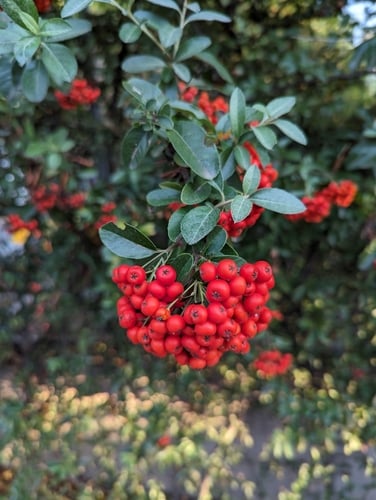
Pyracantha coccinea
Everlasting Thorn, Coral Tree, Scarlet firethorn
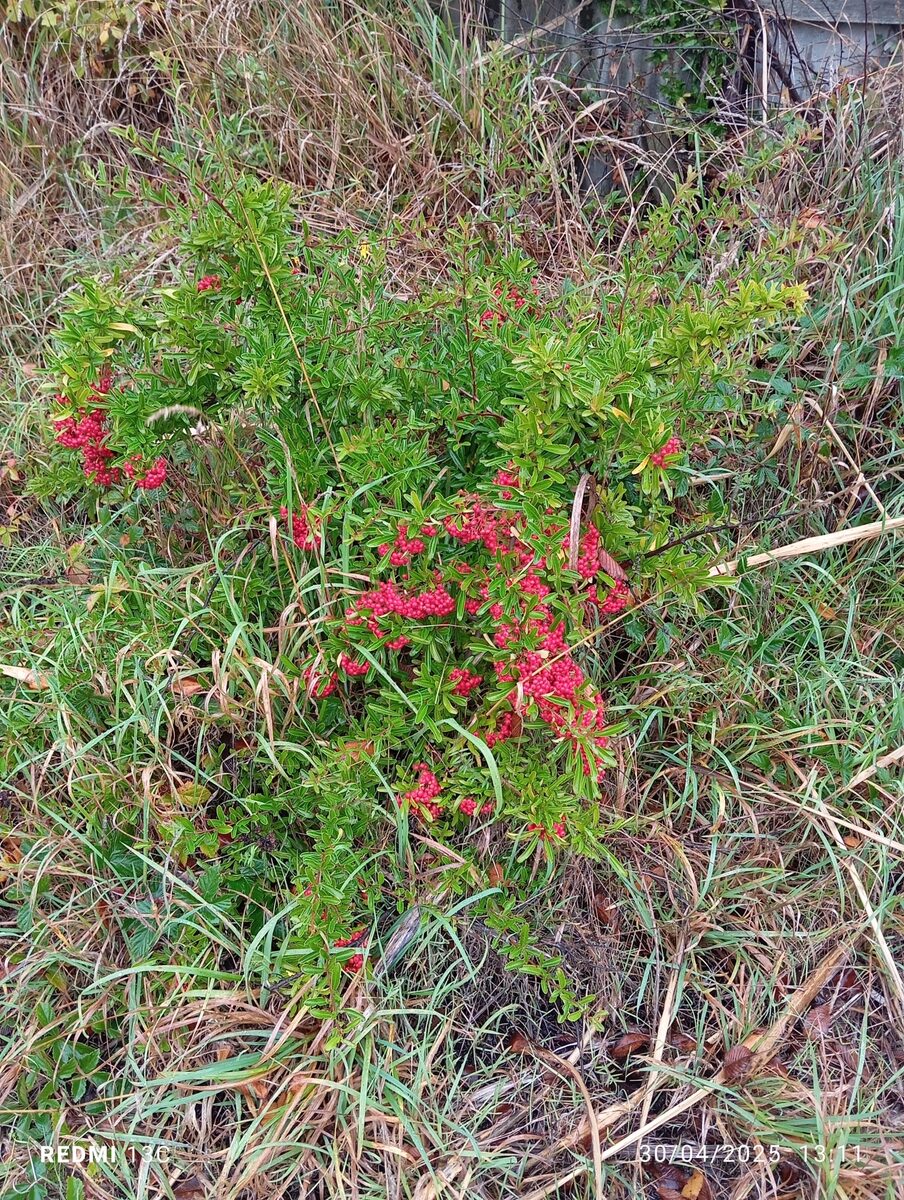
Pyracantha crenato-serrata - (Hance.)Rehder.
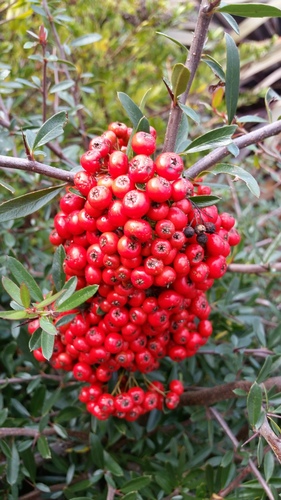
Pyracantha crenatoserrata
Chinese Firethorn
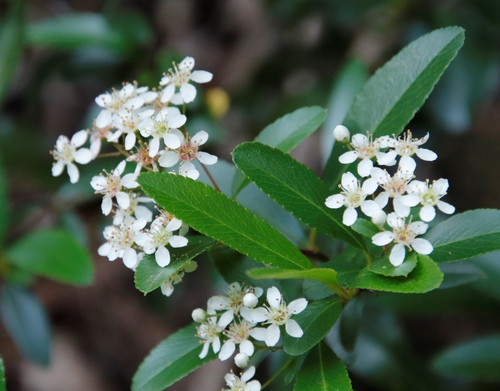
Pyracantha crenulata
Nepal Firethorn, Nepalese white thorn
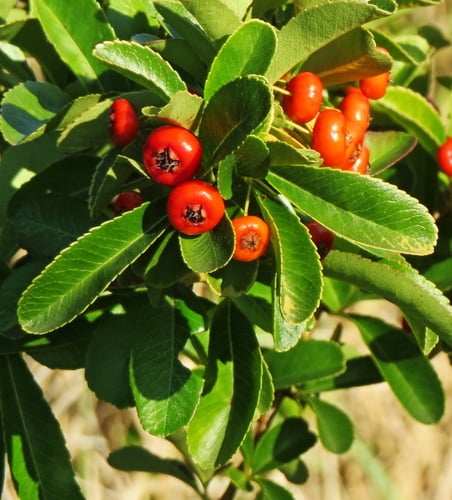
Pyracantha fortuneana
Chinese fire-thorn, Torch fruit
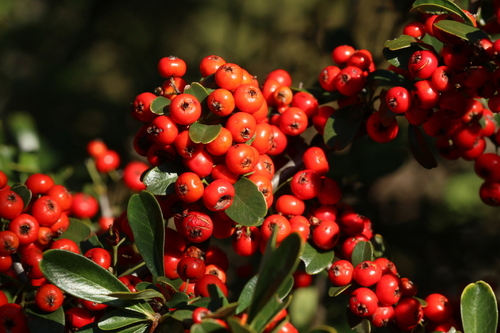
Pyracantha koidzumii
Formosa Firethorn, Taiwan firethorn, Koidzumi's firethorn