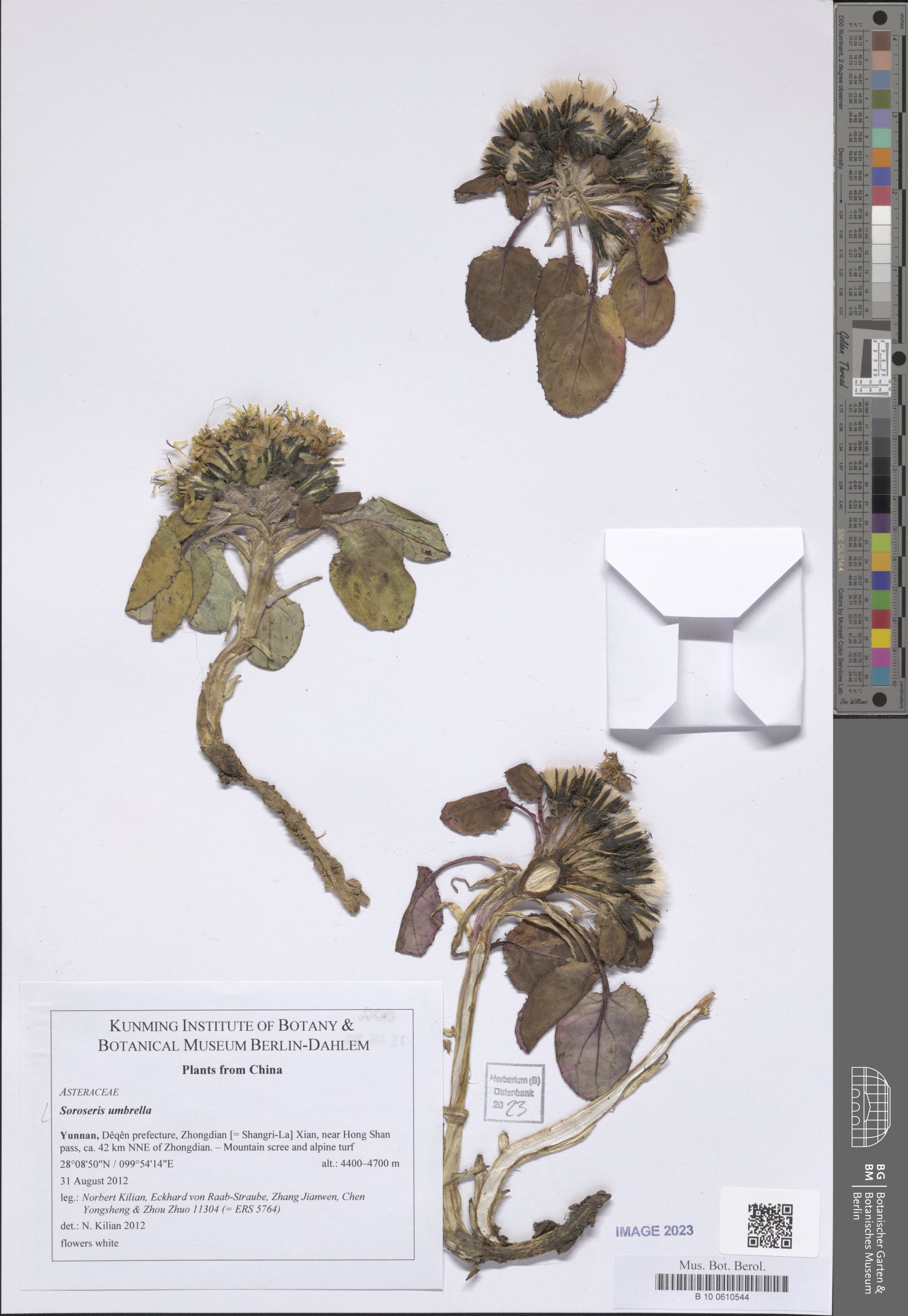
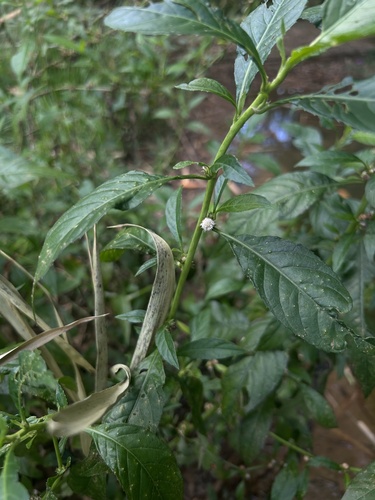
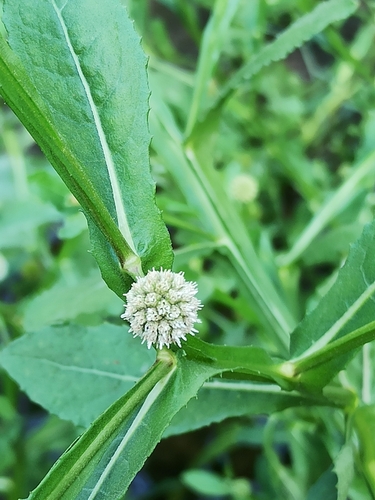
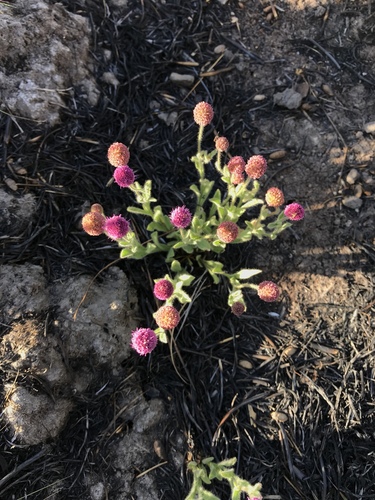
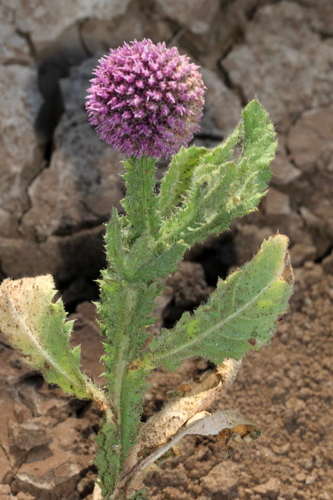
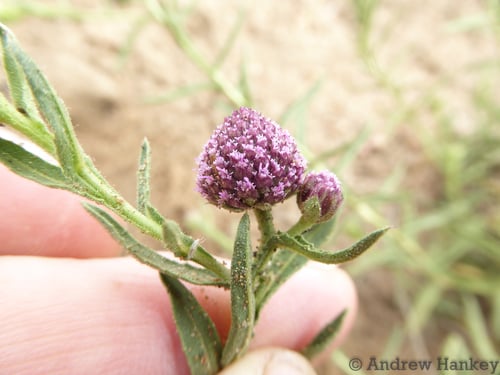
Senecio nemorensis fuchsii - (Gmel.)Celak.
(Gmel.)Celak.
gbif· cc-by-nc-nd
Julius Hö
gbif· cc-by
Meise Botanic Garden
gbif· cc-by
Meise Botanic Garden
Description
Senecio nemorensis fuchsii is a PERENNIAL growing to 2 m (6ft 7in). See above for USDA hardiness. It is hardy to UK zone 6. It is in flower from July to August. The species is hermaphrodite (has both male and female organs) and is pollinated by Insects. Suitable for: light (sandy), medium (loamy) and heavy (clay) soils and can grow in heavy clay and nutritionally poor soils. Suitable pH: mildly acid, neutral and basic (mildly alkaline) soils. It can grow in semi-shade (light woodland) or no shade. It prefers moist soil.
Edible Uses
Young stems - pickled. Some caution is advised, see the notes above on toxicity.
Known Hazards
Although no mention of toxicity has been seen for this species, it belongs to a genus that contains a number of plants with a cumulative poisonous effect on the liver. Some caution is advised.
Distribution
Europe to E. Asia.
Where It Grows
Coming Soon
Cultivation
Succeeds in a sunny position in most well-drained moderately fertile soils. This sub-species is the form that is used for food in Asia.
Propagation
Seed - sow spring in a greenhouse and only just cover the seed. Make sure the compost does not dry out. Prick out the seedlings into individual pots when they are large enough to handle and plant them out in early summer if they have grown sufficiently. Otherwise, grow them on in the greenhouse or cold frame for their first winter and plant them out the following year after the last expected frosts. Division in spring. Root cuttings in early spring.