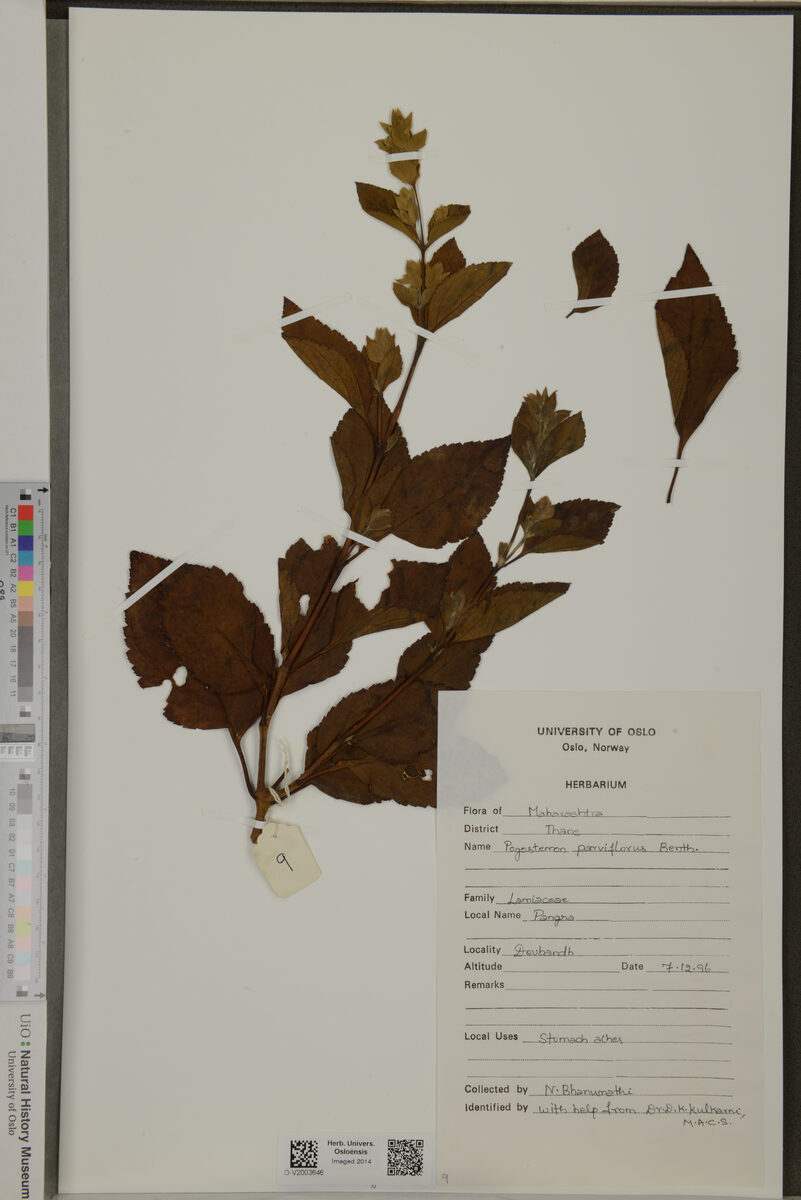
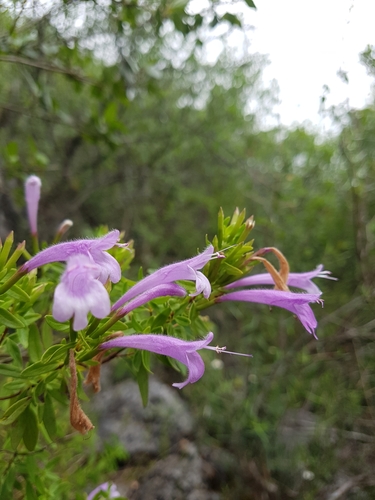
Stachys hyssopifolia
Michx.
Hyssop hedge-nettle
wikimedia· cc0
Wikimedia Commons (via Wikimedia Commons)
wikimedia· cc0
Britton, N.L., and A. Brown. 1913. An illustrated flora of the northern United States, Canada and the British Possessions. 3 vols. Charles Scribner's Sons, New York. Vol. 3: 124. Courtesy of Kentucky Native Plant Society. Scanned by Omnitek Inc. (via Wikimedia Commons)
gbif· cc-by-nc
wonderful_world
iNaturalist· cc-by-nc
(c) Nate Martineau, some rights reserved (CC BY-NC), uploaded by Nate Martineau
iNaturalist· cc-by-nc
(c) Martin R. Lucas, some rights reserved (CC BY-NC), uploaded by Martin R. Lucas
iNaturalist· cc-by-nc
(c) Sequoia Janirella Wrens, some rights reserved (CC BY-NC)
Summary
Source: WikipediaStachys hyssopifolia, commonly known as hyssop-leaf hedge-nettle, rough hedge-nettle hyssop-leaved hedgenettle, and hyssop hedge-nettle is a species of flowering plant in the mint family (Lamiaceae).
Description
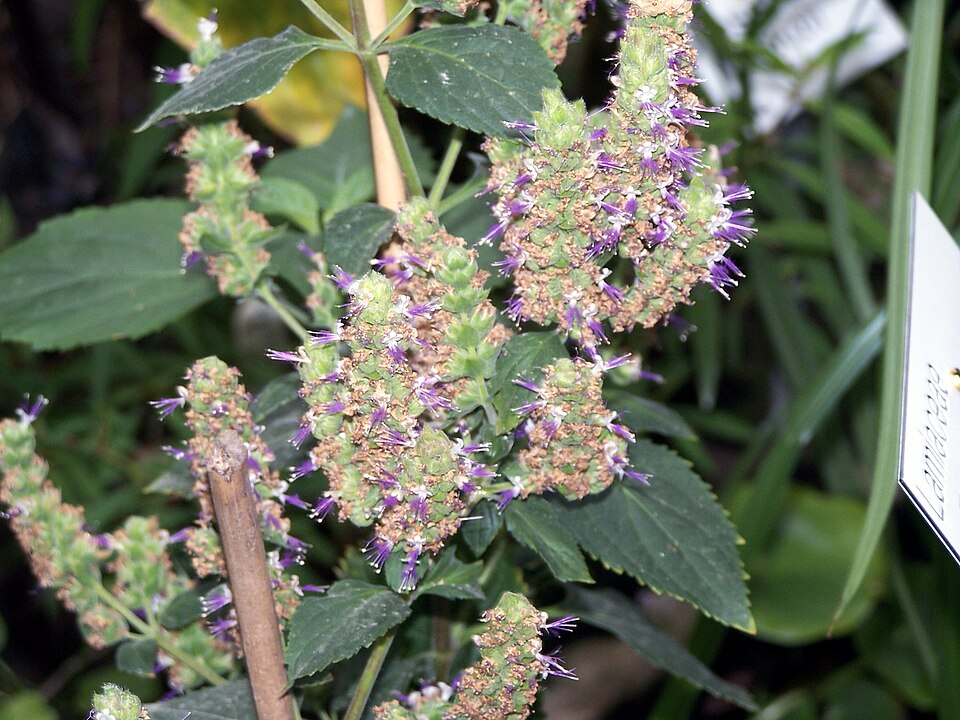
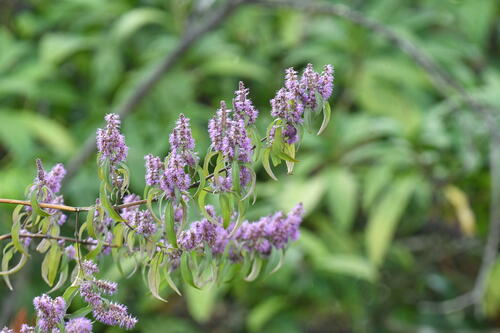
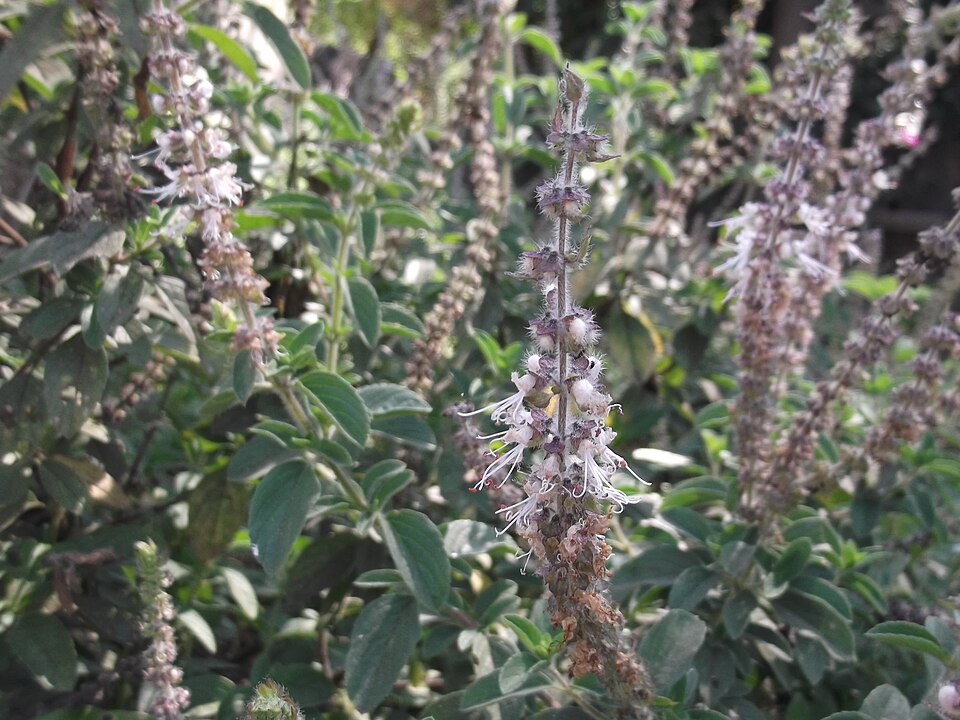
A herb which forms stolons or runners. It grows 75 cm high. It keeps growing from year to year. The leaves are oblong and narrow. They are 3-4 cm long. The flowers are pink and in round clusters at the top of the plant.
Edible Uses
The tubers can be eaten raw or cooked and have a crisp texture. The leaves are possibly edible.
Traditional Uses
The leaves can be used in salads or cooked as a vegetable. They can be pickled.
This uses section is brief — help expand it
Medicinal Uses
None known
Distribution
It is a temperate plant. It grows in moist or wet, usually sandy soil often near shores or in meadows. It suits plant hardiness zones 6-9.
Where It Grows
North America, USA,
Cultivation
Succeeds in any deep well-drained moderately fertile soil in full sun or light shade. A good bee plant.
Propagation
Sow seed in spring in a cold frame. Prick seedlings into individual pots once large enough to handle and grow on in the greenhouse through their first winter. Plant out into permanent positions in late spring or early summer, after the last expected frosts. Divide in spring.
Other Uses
None known Special Uses Attracts Wildlife Food Forest
Notes
There are about 300 Stachys species.
Synonyms
References (3)
- Jackes, D. A., 2007, Edible Forest Gardens
- Kermath, B. M., et al, 2014, Food Plants in the Americas: A survey of the domesticated, cultivated and wild plants used for Human food in North, Central and South America and the Caribbean. On line draft. p 835
- Plants for a Future database, The Field, Penpol, Lostwithiel, Cornwall, PL22 0NG, UK. http://www.scs.leeds.ac.uk/pfaf/