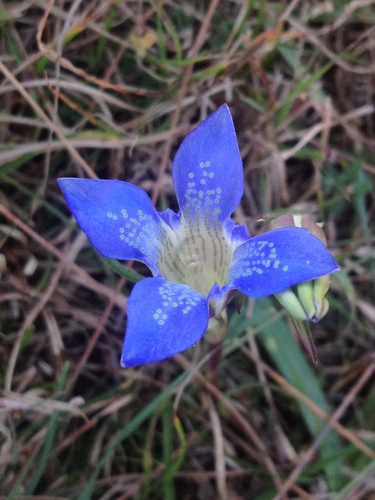
Swertia bimaculata
(Siebold & Zucc.) C. B. Clarke
Chirata, Chireto, Double-spotted swertia
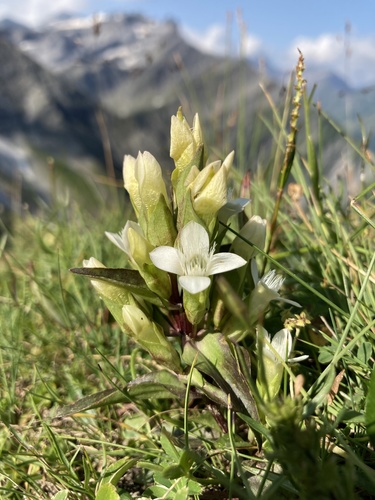
iNaturalist· cc-by-nc-nd
(c) eyeweed, some rights reserved (CC BY-NC-ND)
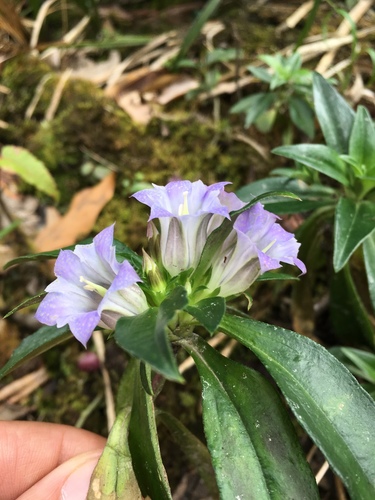
iNaturalist· cc-by-nc
(c) Keita Watanabe, some rights reserved (CC BY-NC), uploaded by Keita Watanabe
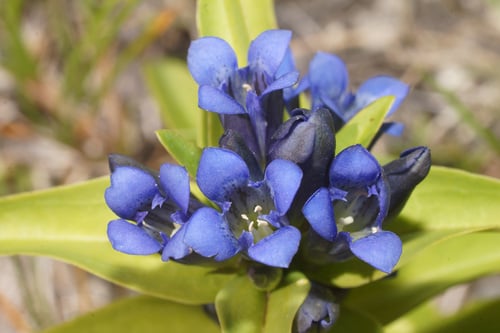
iNaturalist· cc-by-nc
(c) Basu Dev Neupane, some rights reserved (CC BY-NC), uploaded by Basu Dev Neupane
Summary
Source: WikipediaSwertia bimaculata is a plant species in the family Gentianaceae.
Description
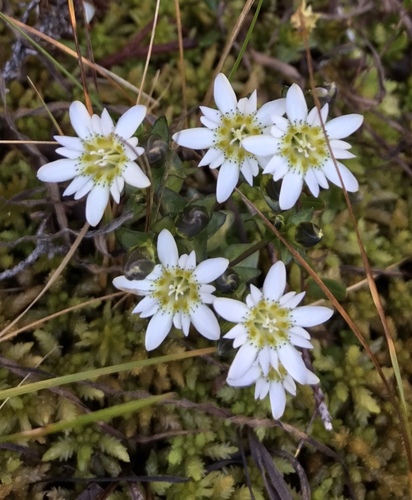
A herb. It grows each year from seed. It grows 30-140 cm tall. The roots are yellow and fibrous. The stems are 2-6 mm across. The leaves on the stem do not have stalks. The leaves are oval and 4-9 vm long by 1-4 cm wide. They taper to the base. The flowers are in loose branched heads. They are yellow or white with purple spots. The fruit is a narrow oval capsule 2.3 cm long.
Edible Uses
The root is edible cooked.
Medicinal Uses
None known
Distribution
It is a warm temperate to tropical plant. It grows beside streams and in forests between 200-3,000 m above sea level in China. In Sichuan and Yunnan.
Where It Grows
Asia, Bhutan, China, Himalayas, India, Japan, Malaysia, Myanmar, Nepal, Northeastern India, SE Asia, Sikkim, Tibet, Vietnam,
Cultivation
We have no details for this species but suggest growing it in a moist well-drained soil in a sunny position.
Propagation
Sow seed in spring in a cold frame at 10°C or less. Prick seedlings out into individual pots once large enough to handle and plant out in summer.
Other Uses
None known
Notes
It is used in medicine.
Synonyms
Also Known As
Bhale chiraito
References (5)
- Ambasta, S.P. (Ed.), 2000, The Useful Plants of India. CSIR India. p 608
- J. Linn. Soc., Bot. 14:449. 1875
- Lim, T. K., 2015, Edible Medicinal and Non Medicinal Plants. Volume 9, Modified Stems, Roots, Bulbs. Springer p 80
- Plants for a Future database, The Field, Penpol, Lostwithiel, Cornwall, PL22 0NG, UK. http://www.scs.leeds.ac.uk/pfaf/
- READ,