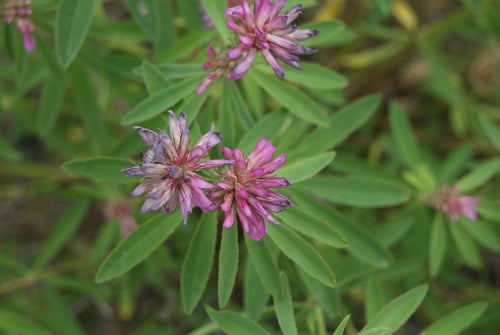
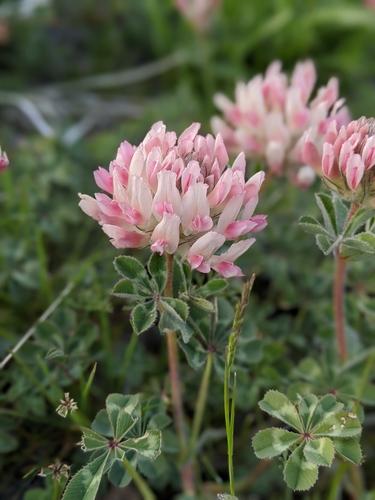
Onobrychis viciifolia
Scop.
Sainfoin
iNaturalist· cc-by-nc
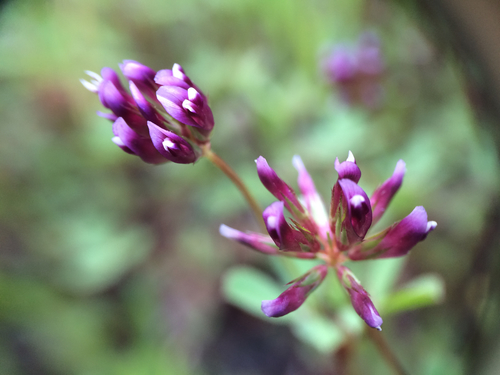
(c) Axel Albano, some rights reserved (CC BY-NC), uploaded by Axel Albano
iNaturalist· cc-by-nc
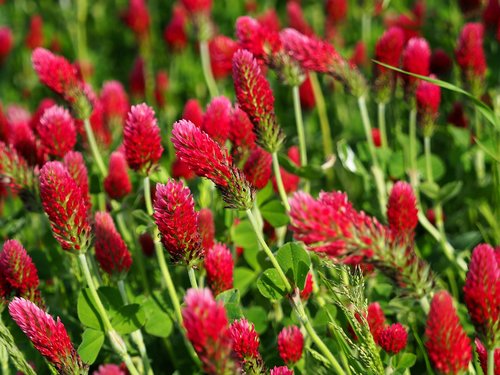
(c) Jean-Philippe BASUYAUX, some rights reserved (CC BY-NC), uploaded by Jean-Philippe BASUYAUX
iNaturalist· cc-by-nc-sa
(c) Marco Schmidt, some rights reserved (CC BY-NC-SA), uploaded by Marco Schmidt
Description
Onobrychis viciifolia is a PERENNIAL growing to 1 m (3ft 3in). See above for USDA hardiness. It is hardy to UK zone 6. It is in flower from June to August. The species is hermaphrodite (has both male and female organs) and is pollinated by Bees. The plant is not self-fertile. It can fix Nitrogen. It is noted for attracting wildlife. Suitable for: light (sandy) and medium (loamy) soils, prefers well-drained soil and can grow in nutritionally poor soil. Suitable pH: neutral and basic (mildly alkaline) soils and can grow in very alkaline soils. It cannot grow in the shade. It prefers moist soil.
Edible Uses
One report says that the plant is edible, but does not say what part of the plant is used.
Distribution
Europe, including Britain, from France south and east to Spain, Siberia, Caucasus and Iran.
Where It Grows
EUROPE: Former Yugoslavia, Bulgaria, France
Cultivation
Prefers a well-drained neutral to alkaline sandy loam in full sun. Succeeds in poor soils and in shallow soils over chalk. Dislikes shade. Does not succeed in wet soils. A good border plant for the vegetable garden, the deep tap root helps to break up the sub-soil. Plants are resistant to alfalfa stem nematodes and are immune to bacterial wilt disease and attacks by the alfalfa stem weevil. A good bee plant. This species has a symbiotic relationship with certain soil bacteria, these bacteria form nodules on the roots and fix atmospheric nitrogen. Some of this nitrogen is utilized by the growing plant but some can also be used by other plants growing nearby.
Propagation
Seed - pre-soak for 12 hours in warm water and sow in situ in the spring. Seed can also be sown in situ in the autumn. If seed is in short supply then it might be wiser to sow it in pots in a cold frame in early spring. Prick out the seedlings into individual pots as soon as they are large enough to handle and plant them out into their permanent positions in early summer. Division in the spring just before new growth commences. Large divisions can be planted out direct into their permanent positions. We have found that it is better to pot up the smaller divisions and grow them on in light shade in a cold frame until they are well established before planting them out in late spring or early summer.
Other Uses
Soil conditioner Soil stabilizationA good soil conditioner for poor light soils. The plants can be grown on the land for a number of years, the deep tap roots breaking up the sub-soil and bringing up minerals from below. Plants can be cut during the growing season but care must be taken not to cut too low because the tap root tends to rise above ground level and the plant can be killed if this is cut off. The plant has an extensive root system and is useful for stabilizing soils. Nitrogen Fixer.